Turkey sells 60 tonnes of Gold to backstop Lira
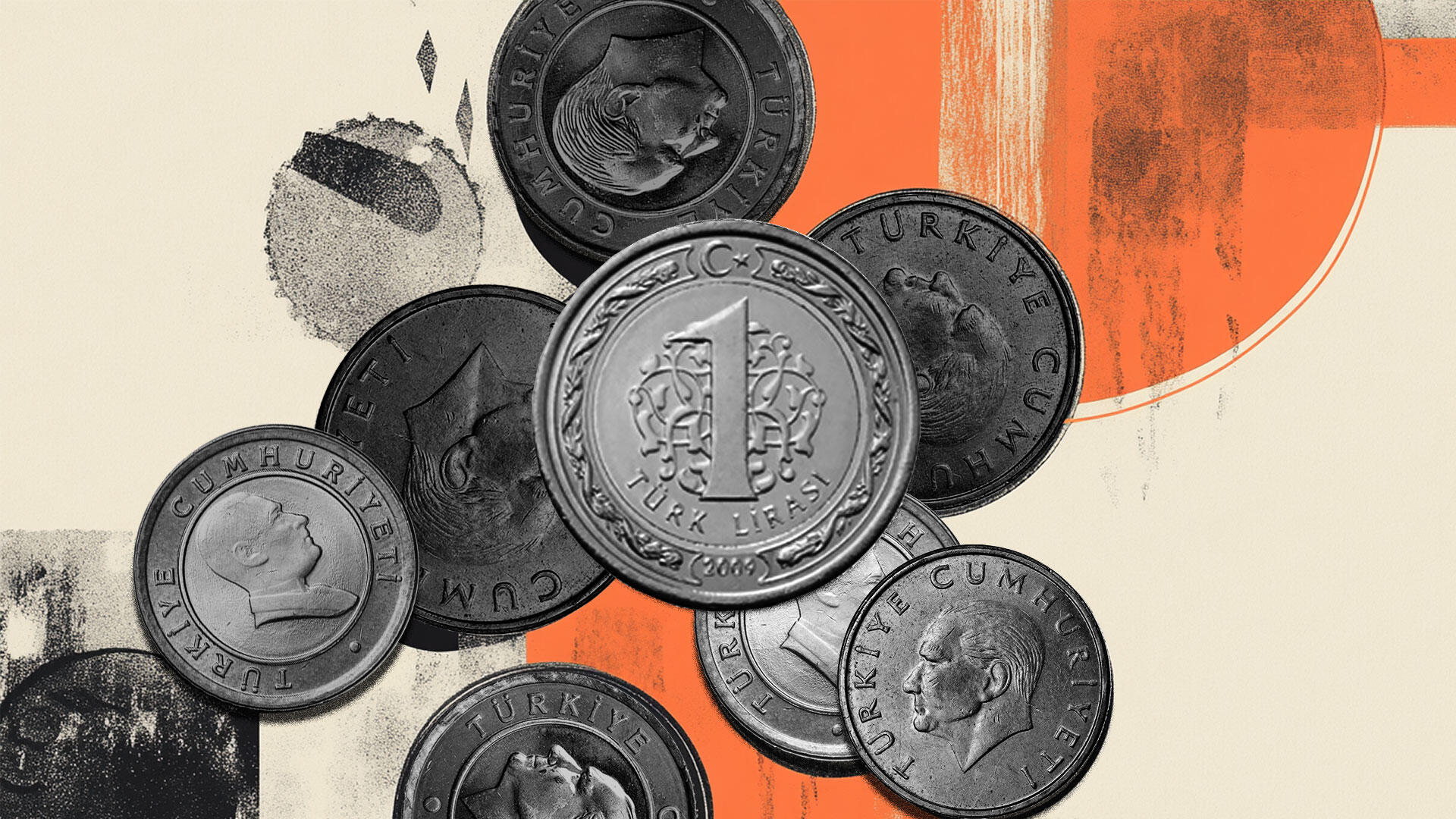
We know one of the reasons there has been so much downward pressure on gold since the beginning of the Iran War. Turkey recently sold and swapped 60 tonnes of gold to support its currency.
The Iran War is temporarily giving the U.S. dollar a new lease on life as it throws markets into chaos. As energy costs soar, nervous investors are selling everything (stocks, bonds, and commodities have all charted significant declines) and moving into cash positions. We see this reflected in dollar strength.
It appears some central banks are also being forced to sell assets to stabilize their own currencies and fund oil purchases as prices skyrocket.
The Central Bank of Turkey has been one of the biggest central bank gold buyers over the last several years. It added to its gold reserves for 23 straight months through the end of October 2025. Now it is tapping into those reserves to support a struggling lira.
According to data analyzed by Bloomberg, Turkish gold reserves showed a 6-tonne decline during the week of March 13 and 52.4 tonnes the following week. In total, the Turkish central bank lowered its gold reserves by around $8 billion.
Bloomberg reported that the Turkish gold drawdown exceeded the amount of metal that flowed out of gold-backed ETFs it tracks during the same time period.
The Central Bank of Turkey sold a small amount of gold outright and used the rest to secure foreign exchange via swap agreements.
As Bloomberg noted, “It’s not uncommon for central banks to sell spot gold and simultaneously agree to buy it back in the future via swap agreements, effectively granting them cheap dollar funding using the precious metal as collateral.”
Rising energy prices due to the war are straining the Turkish central bank’s ability to maintain its strategy of slow lira depreciation. As energy prices rise, it increases demand for dollars (given that most oil contracts are priced in the U.S. currency). This increases the downward pressure on the lira. By intervening with dollars, the Turkish central bank can maintain lira strength.
The process works like this.
The Turkish bank sells gold for dollars or euros. It then uses those currencies to buy lira. This increases demand for the lira and supports its value.
The influx of dollars also gives the country a cushion to deal with rising energy costs.
TD Securities commodity strategist Daniel Ghali told Bloomberg the war will likely force other central banks to tap into gold reserves. It could also derail some banks’ plans to increase their gold holdings.
“Outright sales are not out of the question, although we expect the broader trend to be a step-change lower in the pace of central bank accumulation for the time being.”
Turkey’s fire sale reveals just why central banks hold gold. It serves as a long-term reserve free from counterparty risk. But from time to time, central bankers will liquidate gold for dollars as a short-term intervention tool, as Turkey just did.
Turkey has played this game before. In 2023, the Turkish central bank sold around 150 tonnes of gold in the course of just a few months after the country temporarily suspended gold imports. This caused a spike in domestic demand for physical gold. The lira was also under stress at the time, and the gold sale indirectly eased the downward pressure.
Long-term ramifications
Ironically, Turkey was accumulating gold to reduce its exposure to dollar-denominated assets. This de-dollarization trend has been evident since the U.S. and Western powers slapped aggressive sanctions on Russia after it invaded Ukraine. Many saw this weaponization of the dollar as a warning and have scrambled to diversify their reserves with more gold.
Turkey’s move underscores the fact that while many have become wary of the U.S. currency, it still dominates global trade.
Financial consultant Laurent Lequeu summed it up in a post on X.
“The irony is exquisite: Ankara spent years aggressively accumulating gold to reduce its dependence on the dollar and has now pledged that same gold as collateral to borrow U.S. dollars. The de-dollarization strategy, one notes, has been temporarily suspended for dollar-denominated emergencies.”
I think the key word in that analysis is “temporarily.”
Turkey is doing what it thinks it needs to do with the best asset available – gold. But in the long run, don’t you think the world would prefer to avoid these “dollar-denominated emergencies” completely?
In other words, while the Iran war may lead to further central bank gold sales and swaps in the near-term, it could drive a boost in gold reserves in the future as central bankers learn lessons from the war – dollars are a problem.
As a result, the war could speed up de-dollarization as countries become even more wary of holding dollars in the long term.
We’re already seeing an uptick in non-dollar oil sales. Indian oil transactions are increasingly being carried out using non-dollar currencies, circumventing the “petrodollar.” In practice, Indian customers deposit rupees into overseas bank accounts. The funds are then converted to yuan or UAE dirhams to complete the purchase. Sources say Indian banks with limited offshore presence are facilitating these trades.
Turkey’s gold sale underscores the value of gold. It is the backstop of last resort. People don’t just hold gold for the sake of holding gold. Not only do people understand that gold will protect their wealth from devaluing fiat, but they also know that it will be there in the event of an emergency. They know they will be able to quickly liquidate it. Everybody might not want dollars, or euros, or yuan, but everybody wants gold.
To receive free commentary and analysis on the gold and silver markets, click here to be added to the Money Metals news service.
Author

Mike Maharrey
Money Metals Exchange
Mike Maharrey is a journalist and market analyst for MoneyMetals.com with over a decade of experience in precious metals. He holds a BS in accounting from the University of Kentucky and a BA in journalism from the University of South Florida.