Trump ramps up tariff threats once more
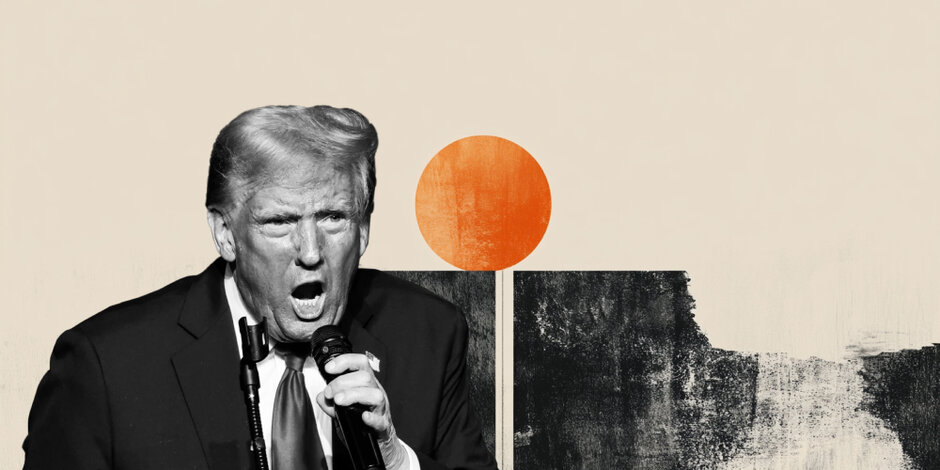

The stock market rally is over as we head into the long weekend. President Trump has proposed a 50% tariff on all EU imports from June 1st, which leaves just over a week for the EU and the US to reach an agreement to avert this devastating levy on the EU.
Is the President using tariffs as another negotiating tactic, to force the EU to cede to his demands? Or is this a sign that negotiations since mid-April have failed, and we should expect tit for tat threats from the EU later today? We expect it is a mixture of both. The EU is one of Trump’s least favourite regions, and he does not seem to have good relations with its leaders, which increases the chance of a prolonged trade war between the two.
European stocks nosedive, led by autos and luxury
The immediate market reaction has been a nosedive in stocks. The Eurostoxx 50 is down 2.3%, the Dax is down nearly 2% and the Cac is lower by 2.2%. This lurch to the downside has pushed European indices into a losing streak for this week, and European indices are currently underperforming US stocks. The FTSE 100 is the outperformer so far on Friday, it is down by 1%, as the UK/ US trade agreement acts as a protection against US trade aggression.
All sectors in the Dax are lower, led by consumer discretionary and financials. Real estate is outperforming. The same is true of the Eurostoxx 50, the weakest performers so far today include autos Ferrari, Stellantis N.V., BMW and Mercedes Benz, which are all down more than 3% on Friday. Volkswagen is more protected since it has a greater presence in the US. Luxury is also lower, with LVMH, Hermes, and Kering all lower by more than 3%. These tariffs have hit some of Europe’s biggest sectors, which could make a recovery by the end of today hard to achieve.
Tech weights heavily on US
EU companies are not the only ones that are selling off. Talk of tariffs have weighed on sentiment more broadly, with US stock index futures pointing to a large decline at the open later today. Apple’s share price is down more than 3%, after Trump announced a 25% tariff on all US sold iPhones that are not produced locally. The knee jerk reaction lower is to be expected, especially since Apple is unlikely to produce iPhones locally in the US.
Why Trump does not expect iPhones to be made in the US
Trump’s attack on Apple looks like one of his negotiating tactics to us, and its timing is no surprise. The Budget bill has gone to the Senate, and Trump needs to raise more revenue to lower the deficit. This looks like a negotiating maneuver to get Apple to pay the bulk of their tax in the US, including taxes for non-US sales. If this happens, then we would not be surprised to see the iPhone tariff disappear. While Apple’s tax take would not solve the US’s deficit problem, it would make a good headline for the President.
Bond yields benefit from tariff risks
The sharp snap back in equities has seen a rotation back into sovereign debt and yields are lower across the curve. Interestingly, in the EU, short term yields are sharply lower as the market has rushed to price in rate cuts from the ECB in the wake of the tariff announcement. There is now more than 25bps of cuts priced in for the ECB at their meeting in June, there are now 2.5 cuts priced in for the rest of this year, up from just 2.1 cuts expected on Thursday.
Dollar sinks as tariff threat erodes demand
The reemergence of tariff risks has seen safe havens like the JPY and CHF rise, and although the euro is off its Friday highs, it is still higher on the day. This reinforces the trend that US tariff announcements are bad news for the dollar. The dollar index fell back below 100.00 earlier this week and is extending declines on Friday. The next support level to note is the 98.00 level, the low from mid-April, and the dollar’s first tariff tantrum.
Why Tesla could ride the EU tariff storm
Gold is also surging and is higher by more than $60 so far today. Bitcoin is also lower and is down nearly $2,500. We expect tech to be a big drag on the US indices when they open later today, and all the Magnificent 7 are lower in the pre-market. Tesla and Microsoft are the most resilient. Tesla may be receiving a boost since its sales to Europe have slumped anyway in recent months, so it may not worry so much about tit for tat tariffs from the EU.
Author
Kathleen Brooks
XTB UK
Kathleen has nearly 15 years’ experience working with some of the leading retail trading and investment companies in the City of London.

















