Trump fires opening salvo in trade war
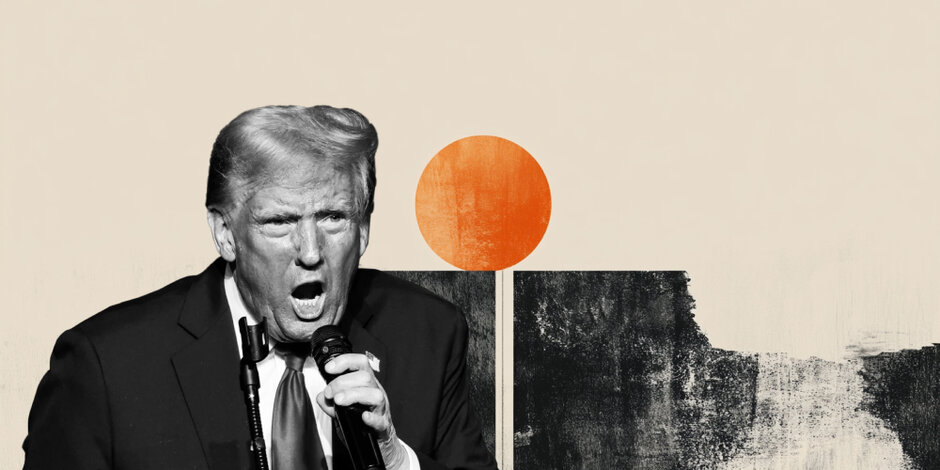

President Donald Trump has officially launched his tariff war, levying 25% levies on Canada and Mexico and 10% on China. This is the first wave of what promises to be a relentless trade offensive against friends and foes alike.
Trump signed the orders on Saturday, with White House officials confirming that the tariffs would take effect at 12:01 a.m. on Tuesday. Whether this leaves any last-minute room for negotiation remains uncertain, but what is clear is that these measures will apply to a wide range of goods from three of the U.S.’s largest trading partners.
In response, Canada and Mexico wasted no time announcing their retaliatory tariffs on U.S. products, signalling that this trade battle is about to escalate quickly. With global markets bracing for impact, the question isn’t if more tariffs are coming—but who’s next in Trump’s crosshairs.
Trump’s decision to reject carve-outs sends a clear message: He’s willing to take economic risks to force other nations to align with his policy goals. Despite weeks of heavy lobbying from major U.S. industries—like oil and automotive—warning of higher prices and supply chain chaos across North America, Trump has held firm.
Advisers had floated the idea of exempting oil imports and automobiles that comply with the U.S.-Mexico-Canada Agreement (USMCA), the revamped NAFTA deal from Trump’s first term. However, no exemptions appear in the cards, as Trump has imposed a 10 % levy on Canadian energy imports.
Its sheer economic scope makes this round of tariffs even more significant. If fully implemented, the new tariffs on Canada, Mexico, and additional Chinese goods would dwarf the $360 billion worth of imports targeted during Trump’s first term. In 2023, this wave of tariffs could hit over $1.3 trillion in trade, amplifying its potential impact on global markets and supply chains.
The stakes are higher than ever, and Trump’s “all-in” approach shows he’s betting big—whether it’s a calculated gamble or a high-risk bluff, the fallout could reshape trade dynamics across the continent and beyond.
We could see USD/CAD blast through 1.5000 in a flash at the open, with USD/MXN not far behind, mirroring a similar percentage surge.
Ballpark math makes it simple— a 10% tariff typically translates to an expected 4% depreciation in the CNY, which will drag the CFETS basket into the murk. But with China, it’s never just about market mechanics—every CNY move is also a policy decision. Beijing won’t let the yuan free-fall without strategic intervention, so the real question is how much depreciation they allow and how they counterbalance it with capital controls or state-backed support. The playbook isn’t just economics—it’s geo-financial warfare.
Trump isn’t just dipping his toes into trade wars—he’s diving in headfirst. Expect more tariff barrages, not fewer, as he looks to weaponize trade policy at full throttle. The dollar is primed for a resurgence, and any illusion of a measured, pragmatic approach won’t last long. Brace for impact—this is just the opening act.
Author
Stephen Innes
SPI Asset Management
With more than 25 years of experience, Stephen has a deep-seated knowledge of G10 and Asian currency markets as well as precious metal and oil markets.

















