Trade War Fear Returns, As Us Employment Data Disappoint

After a day of optimism, global stocks fell after the US president announced that he would add more than $100 billion in Chinese tariffs. The news came after the president was coming from West Virginia, where he led a forum on tax reforms. This was an upset to global investors who had hoped that the rhetoric coming from the White House would go down after China released its list of items to impose tariffs on. Germany’s DAX, UK’s FTSE, and Japan’s NIKKEI were down by 80, 20, and 83 points respectively.
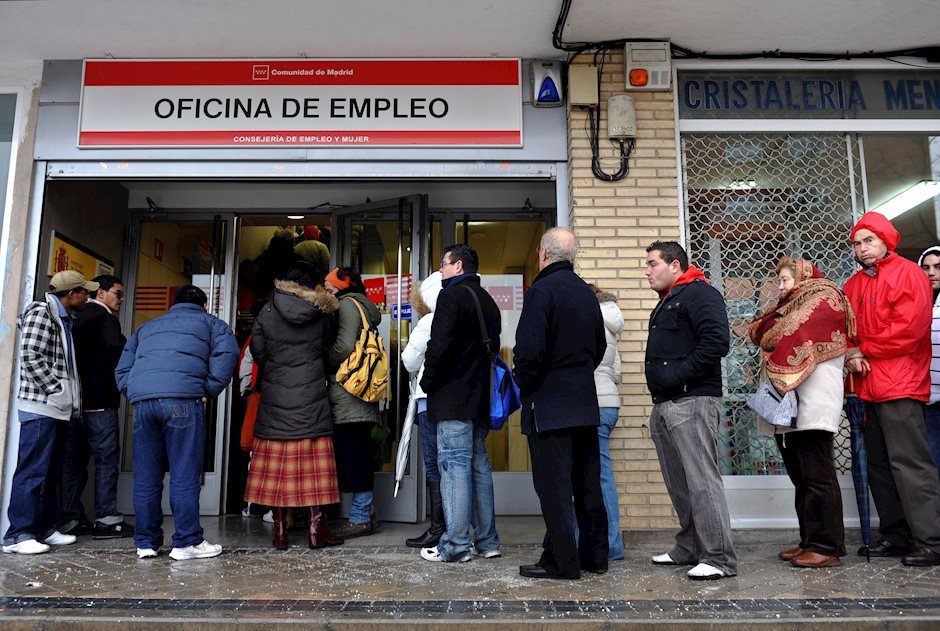
The dollar fell today after the Bureau of Labor Statistics (BLS) released disappointing jobs numbers. In March, the United States economy added 103K jobs, which is lower than the 185K analysts were expecting. It was also the lowest level since the hurricanes. In addition, February’s NFP were revised by 50K jobs to 176K. The unemployment rate remained unchanged at 4.1%.
The total number of the long-term unemployed was little changed at 1.3 million. In the past one year, this number was down by 338K. The labor force participation rate was unchanged at 62.9% while wages grew by about 0.3%. The average workweek was 34.5 hours. Most jobs added during the month were in professional services, manufacturing, and healthcare which added 43K, 22K, and 22K jobs respectively.
This data comes at a time when businesses are in a wait-and-see mode following the recent events on trade. If the tariffs go on, key sectors in agriculture and manufacturing could be affected.
Meanwhile, in Canada, the labor ministry released jobs numbers that were little changed. The data showed that 32K jobs were added in March while the unemployment rate remained at 5.3%. The participation rate remained unchanged at 65.5%. In the first quarter, the rate of employment edged down by 40,000 caused by the big decrease in January.
USD/CAD
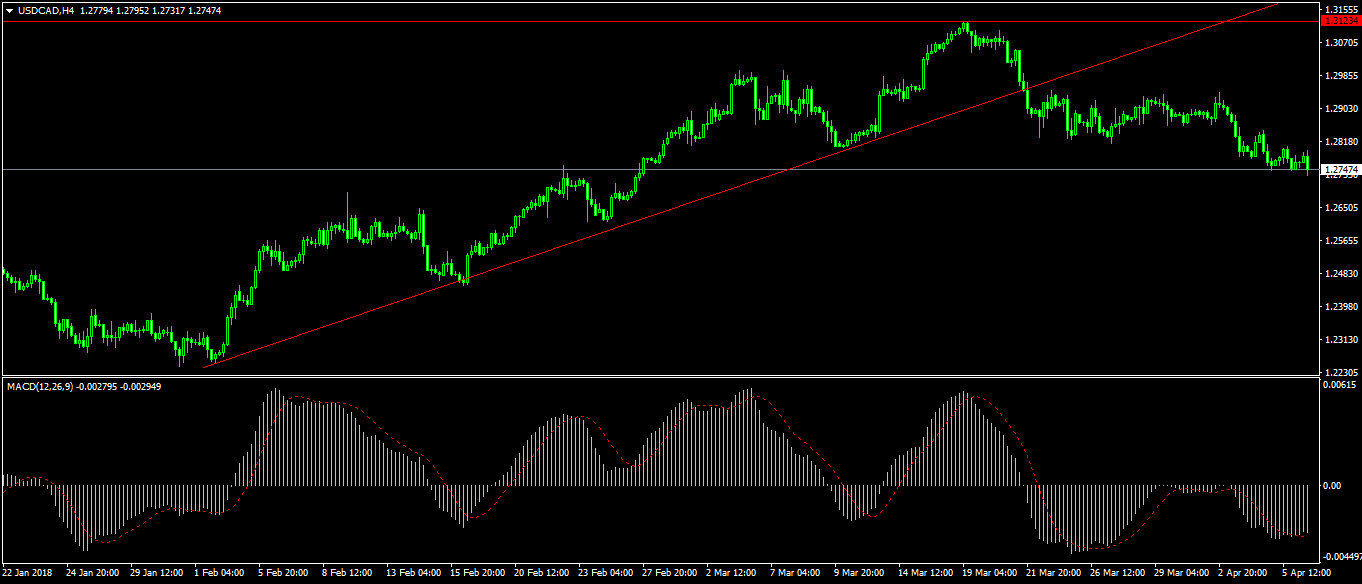
The US dollar edged down against the Canadian dollar following better than expected jobs numbers in Canada compared to the disappointing numbers in the US. These numbers helped the USD/CAD pair continue the downward moves started on March 19 when the pair topped at 1.3123. It had just completed the impulse Elliot Wave pattern. The pair is now trading at 1.2742, which it passed lastly in February. The downward momentum might continue as hopes on NAFTA emerge, and as Trump continues his anti-China rhetoric.
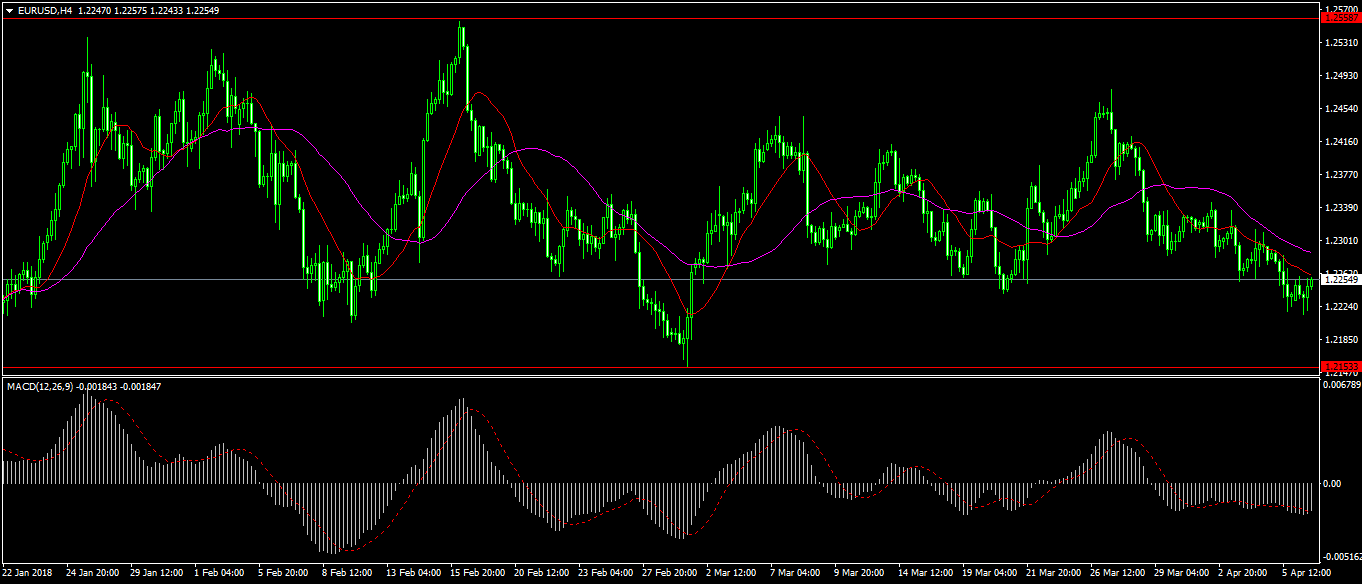
The dollar moved lower against the euro after the disappointing jobs numbers. Using the four-hour chart below, it shows that the pair is trading in a horizontal pattern as it struggles to find direction. However, this data could lead the pair to head higher as investors reduce their projections for three more rate hikes this year. This is combined with the prospects of a US weakness if it enters into a trade war with China.
CAD/JPY
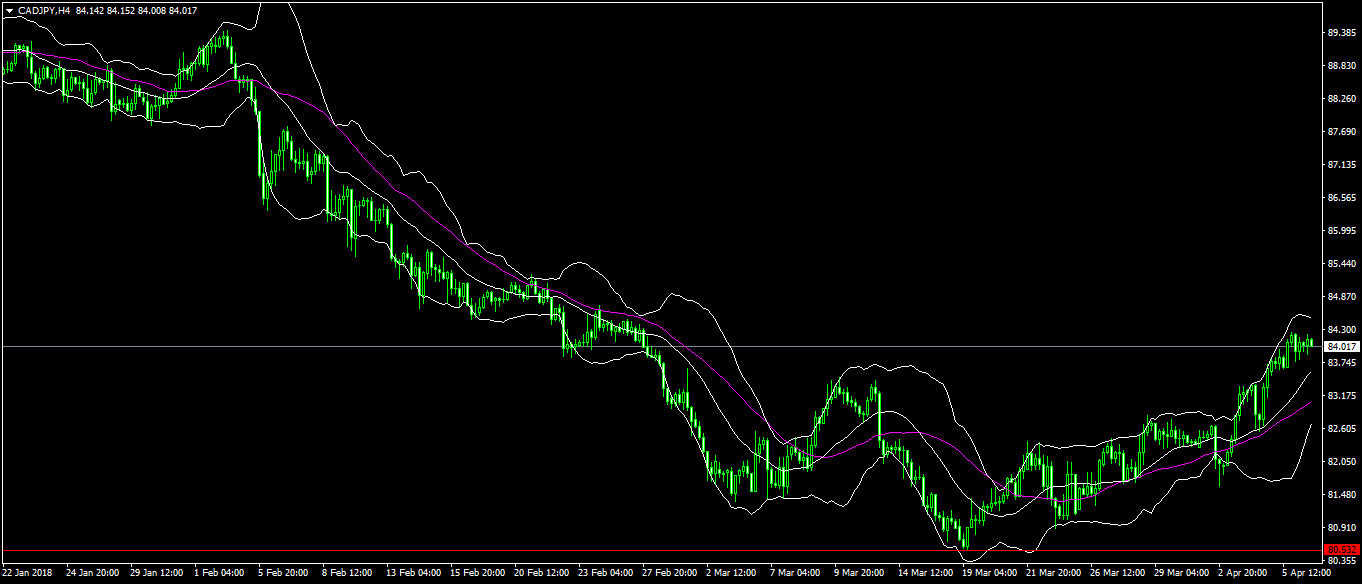
The CAD/JPY bottomed on March 19, when the pair reached 80.53. Since then, it has been establishing higher highs, and lower highs boosted by positive Canadian data. Today’s employment numbers helped the pair continue the momentum as it tries to recover from the losses witnessed earlier this year. The pair is now trading at 84.05 and could head higher. As shown below, on a four-hour chart, it is trading nearer the upper band of the Bollinger Bands.
Author
OctaFx Analyst Team
OctaFX
OctaFX is a market-leading forex broker, providing personalised forex brokerage services to customers in over 100 countries worldwide.