Top Trumps: The global economy’s House of Cards
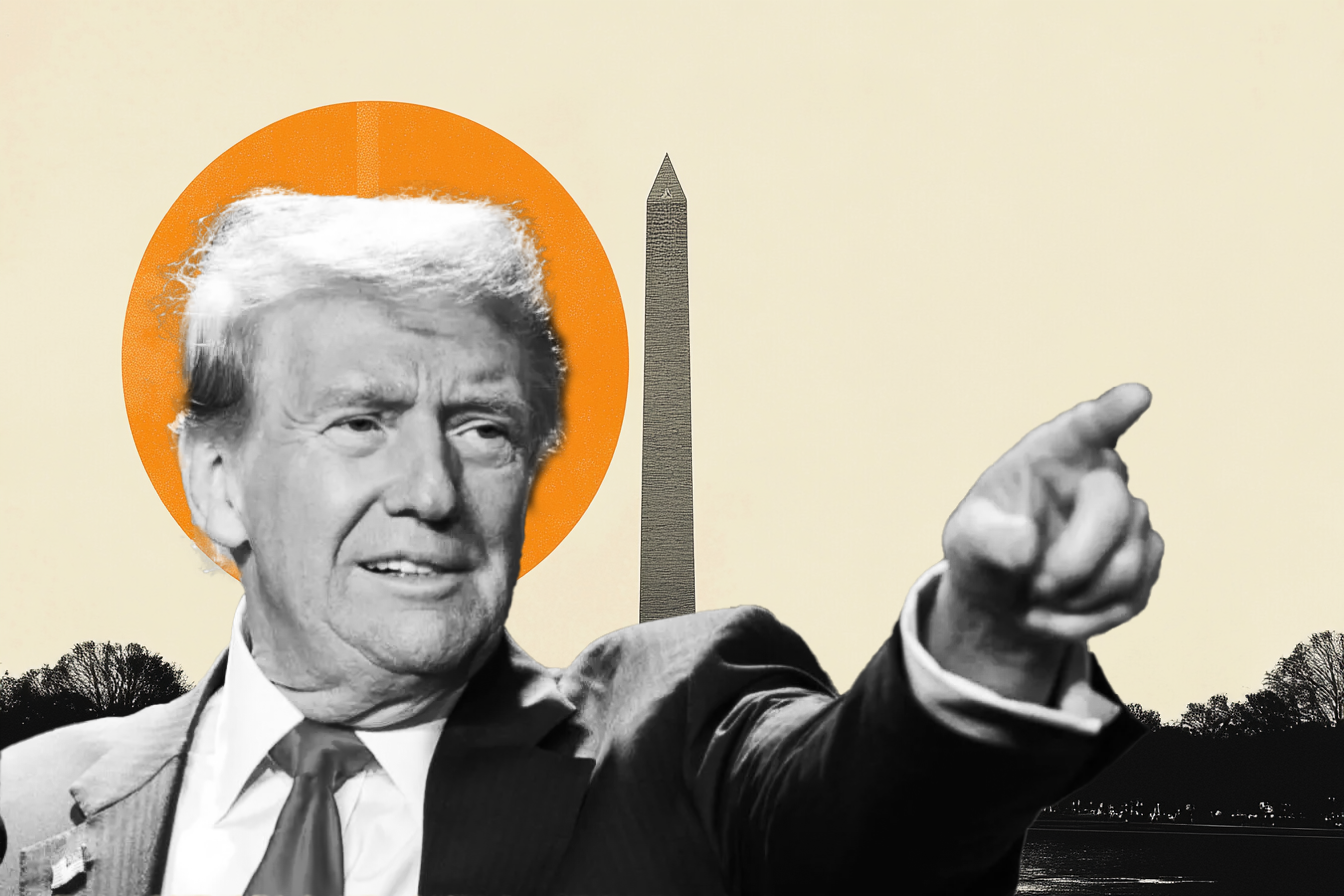
The year has barely started and we are learning the hard way what Donald Trump’s second term in office means for markets, analysts and global policymakers. It's like living through an episode of the political thriller, House of Cards.
A throwback to the 'good' old days
Besides working extra hours and producing tons of analysis with a lifespan of only a few hours, the second Trump era seems to mean unpredictability, uncertainty and high volatility. The last few days were like a throwback to when I binged on ‘House of Cards’. Each new move feels like a strategic power play, leaving the world in suspense and constantly on edge. One moment, you're in the middle of a political storm, and the next, there's a surprising twist that changes everything. The rest of the world is left trying to keep up with the unpredictable plot.
Admittedly, it is not entirely unpredictable, as the pattern emerging this week is very similar to the one we saw around 2018. It usually starts with some grand announcement, followed by an executive order to show seriousness, and then we wait to see if negotiations work or whether financial markets revolt. So, nothing new?
All the world's a stage
I'm not so sure. Even if the first round of tariff tensions ended like a storm that dissipated into a gentle breeze, tariffs, to some, are not only the most beautiful word in the dictionary but, apparently, a powerful foreign policy instrument. In short, the last few days only marked stage one of Donald Trump’s trade policies. Call it the “fentanyl phase”, in which tariffs were only used to bring other countries to the table to deliver domestic policy successes in the fight against drugs and illegal immigration.
Stage two could then be called the “revenues and economics phase”, in which trade policies will be used to finance domestic tax cuts. This is why we stick to our underlying assumption that, come April, the US administration will also threaten Europe with tariffs. And although, economically, the EU is larger and more powerful than Canada or Mexico, I doubt whether Europeans can work together to build a solid and coherent line of defence against overly aggressive US trade policies. Agreeing on retaliation tariff measures falls under the responsibility of the European Commission, but agreeing on any new European purchases of certain US products, be it LNG, military or agricultural goods, requires unity amongst European countries and governments. And that's something that rarely happens.
You couldn't make it up
Talking about European governments, don’t forget that there is more in the world than Trump and tariffs. In two weeks from now, Europe will see a crucial vote: the German snap elections. For a long time, German politics have been a beacon of stability in Europe, but this has changed. Betting on the result, or even on which parties will form the next government, is something of a fool's game, not least because of the impact of the far-right AfD. It's polling well, which just goes to show that Germany has finally become a more 'normal' European country in the sense that populists are gaining ground here, too. And while the prospect of the AfD joining the government still looks a step too far right now, small changes in the results can have a major impact.
So, these elections and the posturing from Washington and beyond are rapidly shaping a new world order, which will determine not just Germany's future but also that of the European Union.
I admit it: I'm a political junkie, and I watch far too many TV series with seemingly outlandish plots and conspiracy theories. So, are the best Hollywood scripts no match for the real world of 2025? To quote from the original House of Cards series, you might very well think that; I couldn't possibly comment..
Read the original analysis: Top Trumps: The global economy’s House of Cards
Author

Carsten Brzeski
ING Economic and Financial Analysis
Carsten Brzeski is Chief Economist in Germany. He covers economic and political developments in Germany and the Eurozone, including the monetary policy of the ECB.