The Yen: Time for a hike
- The Bank of Japan is ready to raise the overnight rate.
- Speculators are closing out their long positions on the US Dollar.
The US Dollar opened with a downside gap, which is unlikely to be closed any time soon. Donald Trump announced a deal with Iran and the reopening of the Strait of Hormuz from 19 June. The US President stated that the agreement would bring peace to the entire region. Brent fell below $84 per barrel, whilst speculators began actively selling the greenback.
By 9 June, hedge funds and asset managers held the highest net long positions in the US dollar since February 2025. The de-escalation in the Middle East is reversing this trend, with the USD being sold both as a safe-haven asset and as the currency of a net energy exporter.
Over the past week, the markets have reduced the likelihood of a key rate hike before the end of the year from 75% to 50%. The first FOMC meeting chaired by Kevin Warsh risks pushing that figure even lower. Whereas in 2025 the Fed cut rates due to a weak labour market, the ‘doves’ no longer have that trump card. Most likely, the new Fed chair will emphasise the temporary nature of high inflation. In other words, consumer prices, following oil, have peaked and will now fall.
Such rhetoric aligns with the White House’s mantra of transitory inflation and will prompt investors to wonder whether Kevin Warsh can maintain the Fed’s independence. If not, the bears on the USD index will have a new trump card.
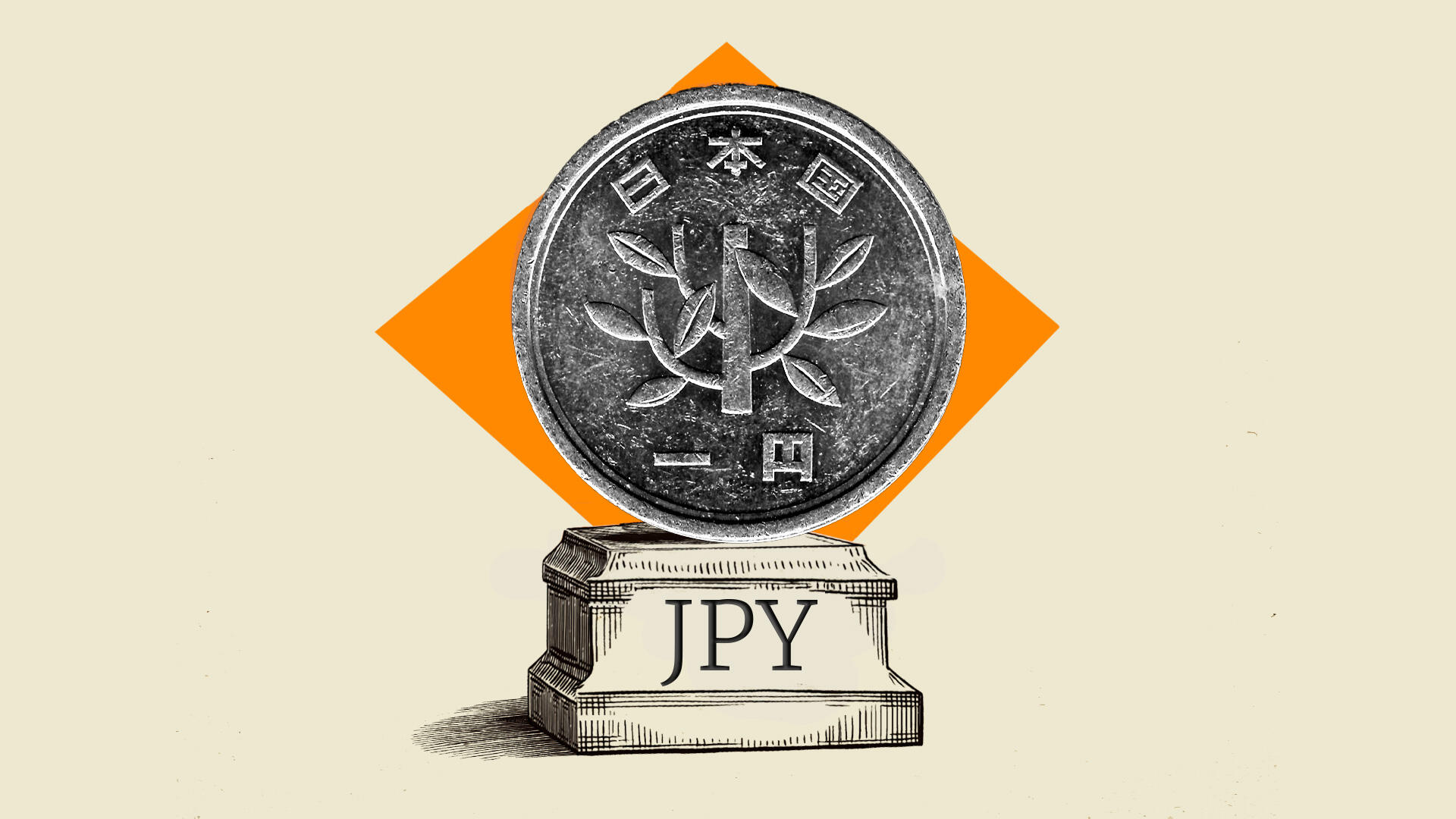
Ahead of the FOMC meeting, investors’ attention will be focused on the Bank of Japan’s meeting. It is forecast to raise the overnight rate from 0.75% to 1%, the highest level since 1995. Despite a slowdown in consumer prices, producer prices have accelerated significantly. Coupled with wage growth, economic strength, and the yen's weakness, this makes a tightening of monetary policy necessary.
However, news of Kazuo Ueda’s hospitalisation initially sent the odds of an overnight rate hike tumbling from nearly 100% to 73%. They subsequently rose. Investors will be looking for signals from the Bank of Japan’s deputy governors on the continuation of the cycle, which will influence USDJPY's fate.
The third week of June will be packed with central bank meetings. Alongside the US and Japan, the UK, Sweden, Norway, Switzerland, Australia and other regulators will announce their interest rate decisions.
Summary: The dollar tumbled amid the US–Iran deal and the reopening of the Hormuz Strait. The BoJ to hike to 1%, the highest since 1995. A packed central bank week will set the tone for the weeks ahead.
Author

Alexander Kuptsikevich, a senior market analyst at FxPro, has been with the company since its foundation. From time to time, he gives commentaries on radio and television. He publishes in major economic and socio-political media.