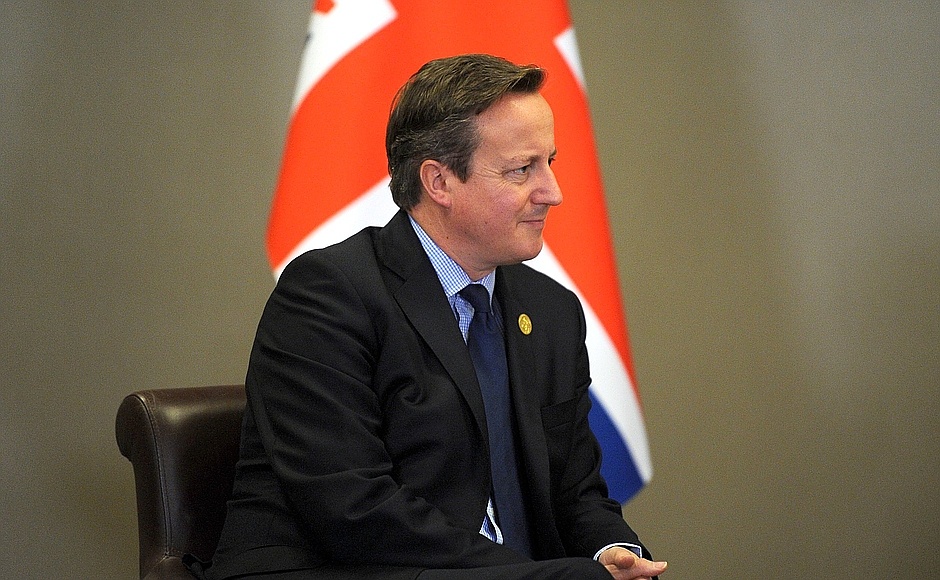
The UK will have to foot a "hefty bill" when it leaves the European Union
-
European equities eked out moderate gains despite strong business sentiment, as uncertainty about upcoming elections lingers. US stock markets returned from the long weekend with opening gains of around 0.2%.
-
The UK will have to foot a "hefty bill" when it leaves the European Union, EC President Juncker said, further raising the tension around one of the most contentious elements of the Brexit negotiations.
-
Opec's Secretary General has predicted greater compliance from the world's biggest producers with a supply cut deal to curb excess inventories. "All countries involved remain resolute in the determination to achieve a higher level of conformity." Brent oil rose to intraday high of $57.31/barrel from $56.20/barrel this morning.
-
Bumper performances from France and Germany helped the eurozone's recent healthy growth accelerate further in February. The headline euro area PMI business sentiment leapt unexpectedly to 56.0 from 54.4 in January, its highest level in almost six years. New orders surged and the outlook improved, suggesting growth is still accelerating.
-
A JPM survey of its US corporate customers showed that 80% of middle‐market executives said they felt optimistic about the US economy. That is the highest reading yet, up from a miserable 39% one year ago. Respondents belief that the Trump administrations' focus on regulation, tax reform and infrastructure investment will bring good things.
-
The yield on Greece's short term debt maturing in April 2019 has dropped by a thumping 1.3 percentage points after the country's creditors said they had made encouraging headway on resolving their latest set of bailout tensions.
-
EU finance ministers have struck a deal on how to apply international rules to curb tax avoidance. The new rules, which will phase in by 2022, will tackle hybrid mismatches – a loophole that allows multinationals to exploit differences in national rules to hide money from the taxman.
-
A senior Socialist minister, Le Foll, said he might back centrist Emmanuel Macron in France's presidential election, a blow to his party's official candidate and a potential boost for Macron, who is battling to stay favourite in opinion polls. Foreign Minister Ayrault, No 2 in the cabinet rankings, has also said he might back Macron.

Author
KBC Market Research Desk
KBC Bank