The rate hike narrative is back after strong CPI


The previous week had opened with September’s hike odds still near 45%, after Waller's dovish message, followed by the 162,000 payrolls print that was strong on jobs but quiet on wages.
By Wednesday the “relief narrative”was gone. The United States said it had destroyed five Iranian oil tankers, Iran responded with strikes on shipping near Hormuz, and Brent closed above $100 for the first time since July. Thursday's PPI then added some fuel to the inflation expectations with wholesale price showing +0.4% on the month and 5.4% on the year. As a result, interest rate hike expectations have jumped to 70% by the middle of the week.
The headline CPI rose for 0.4% m/m and 3.4% y/y, in line with the consensus forecast - strong enough to push September’s hike odds from the low 70s toward 87%. The 10-year bond yields touched 4.99% and faded. The overall reaction of markets was mixed: with the decline of bond yields soon after CPI publication, gold and bitcoin have reacted with a limited pullback which hasn’t translated into continuation: the early post-reaction price momentum hasn’t got any follow-through.
Brent and WTI: Trend of the week
US Energy Secretary Chris Wright pretty much poured cold water on any Hormuz deal on Sunday. Short version: we're still relying on transit that's pushing ~10M barrels of crude and products a day through the Strait. Factor in the bypass pipelines, and we're back to around two-thirds (or slightly more) of normal flow. Bottom line from Wright? Things are definitely tight right now, but we're not in full-blown panic mode.
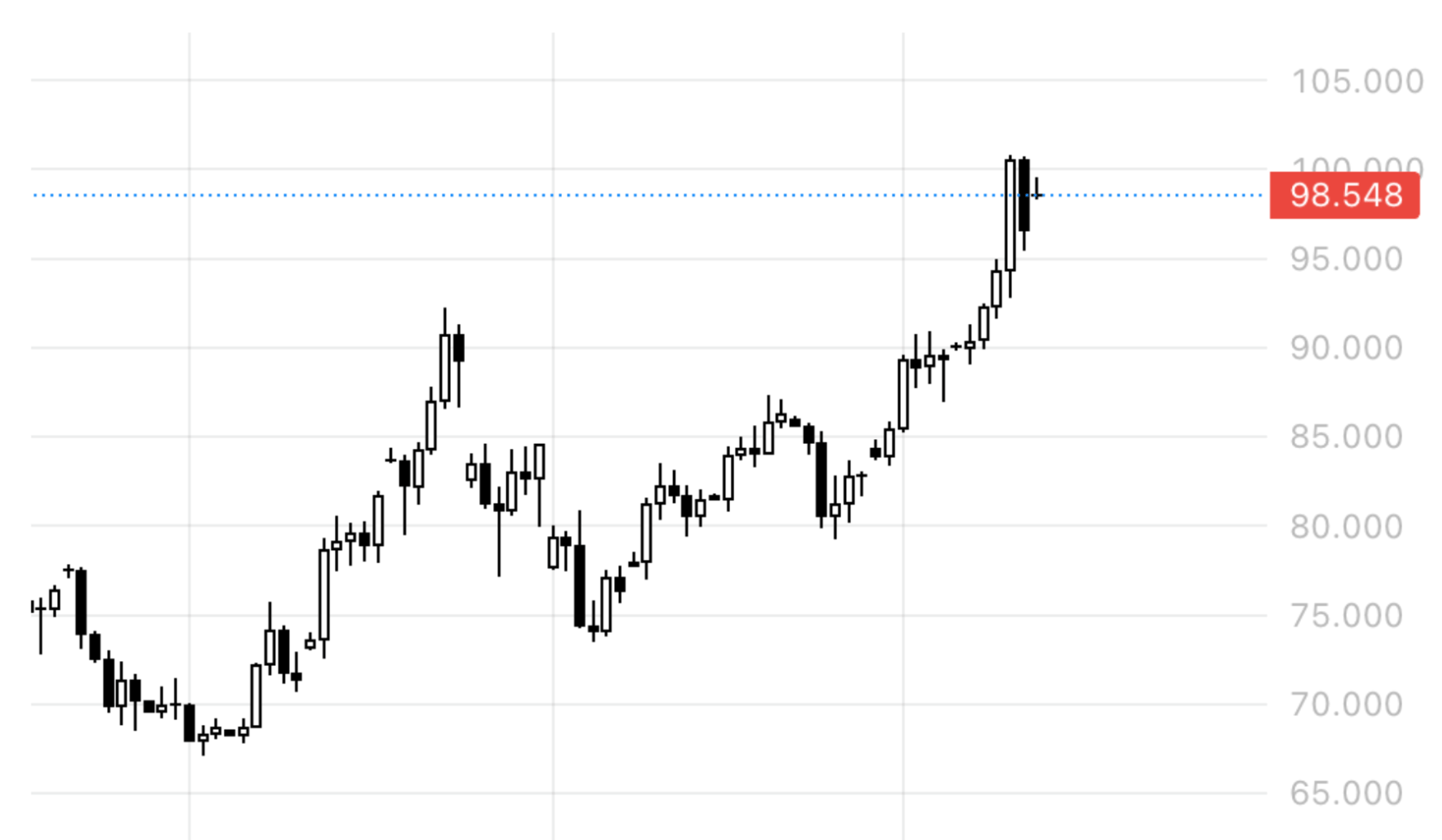
Friday opened with Oracle's cloud revenue having grown to 62% and a $664 billion backlog lifted Nasdaq futures, whereas Brent came off a near-$110 overnight high. The CPI was released as expected, which made the markets wobble without substantial changes.
The rising oil had pushed yields of US bonds to another peak, and made stocks, cryptos and gold nervous with no directional follow-through of a Friday’s attempt to grow after CPI release.
The CPI verdict
The print did what a hot core was supposed to do to the Fed’s path: rate hike odds are now the base case into the September’s 15–16 FOMC. Even though the US 10-year yields failed to hold above 5% and gold did not extend Thursday's flush, equities found the local dip on Friday.
Two offsets did the work: oil came off the highs on talk of a Hormuz shipping arrangement and an IEA demand cut, and the CPI removed a binary that Thursday's positioning had already punished.
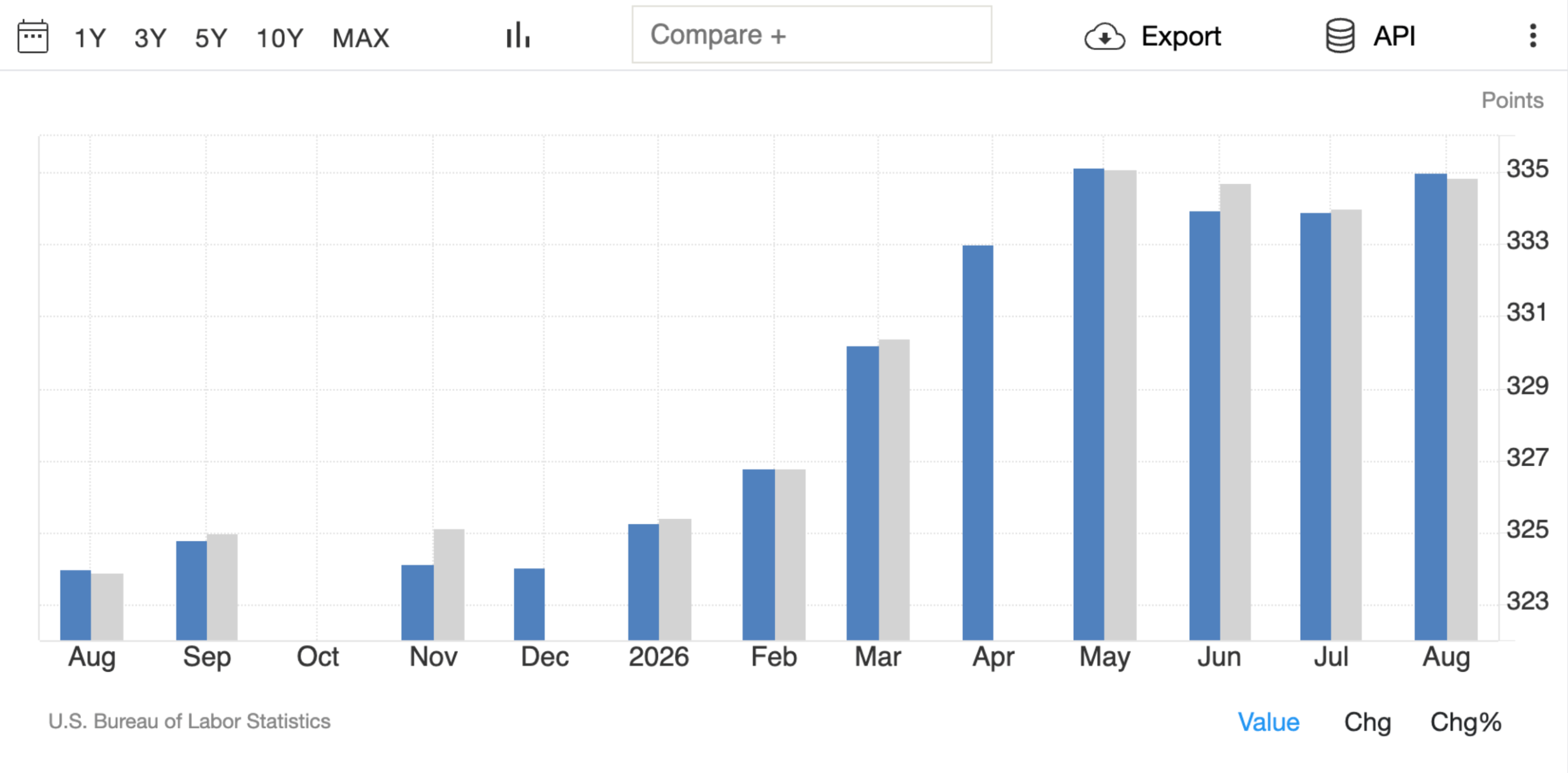
Consensus had been +0.4% m/m headline, +0.2% m/m core. The miss was a tenth on core.
Markets are getting prepared to FOMC Meeting:
Rate hike: According to the Fedwatchtool, traders give around 87% to the scenario of one step hike in September. The risk is a hawkish statement may translate to another move in December — yields back through 5%, gold back under $4,300, Nasdaq landing to 26,200 again.
Hold surprise: That would be a genuine shock against the recent strong CPI print. Gold would likely soar to $4,450, and the Nasdaq would finally have a reason to test 26,600 - 26,800 area.
News in focus — The FOMC week
Tuesday–Wednesday, September 15–16: FOMC decision and projections.
Ongoing: Hormuz shipping; Brent still above $100 on the week; diesel above $6.
Now let's shift to potential scenarios and trading ideas for the week ahead.
Gold
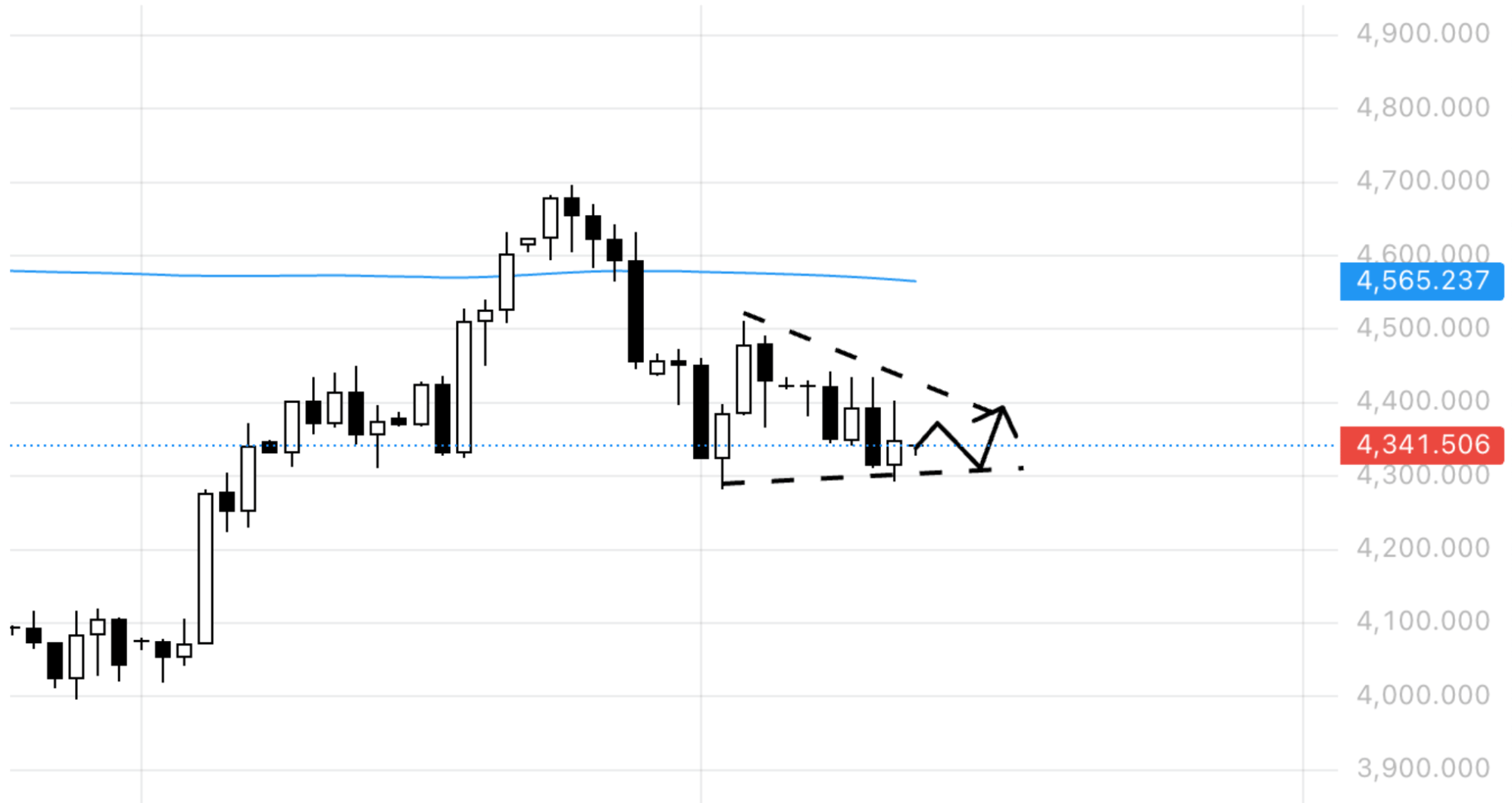
Gold is leaning to the lower border of the current trading range, having been pressured by the rising yields and new oil peaks. The technical dynamics of gold seems to stay range-bound despite the risk-off skew in the market regime.
The strategic resistance of the 200-day moving average is located substantially higher and would unlikely be tested this week.
Market structure doesn’t point to any obvious signs of buying or selling, but rather the possibility of a further consolidation within the 4300 - 4450 area, as shown at the chart.
Nasdaq (USTEC)
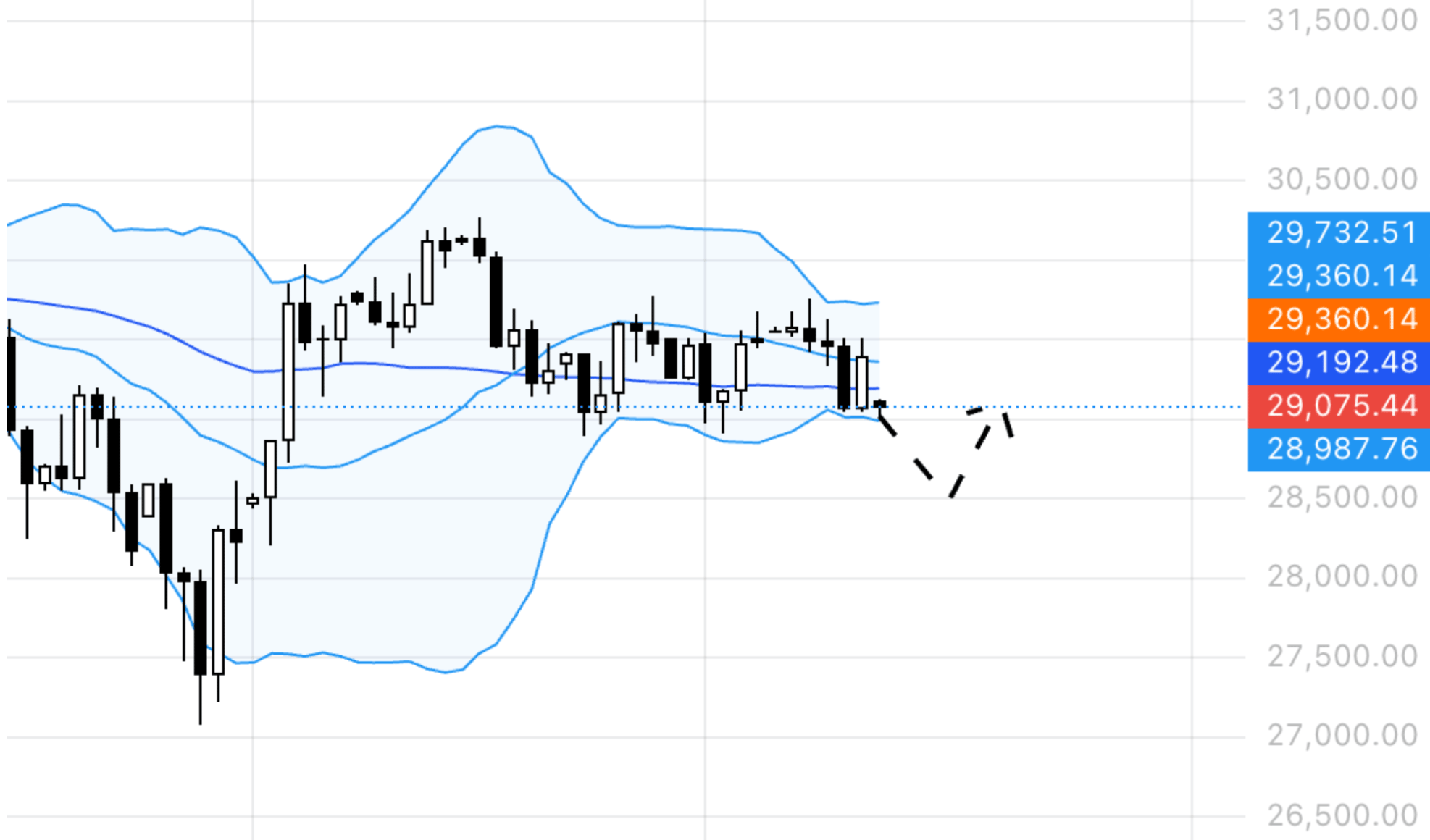
The Nasdaq closed 26,333, back into the 26,200–26,400 band it had broken on Thursday, but still well below the 26,600–26,800 resistance that capped every attempt since July.
The price is leaning to the lower band of the Bollinger Bands (21), and given the dominating risk-off regime, has greater odds of breaking to the downside towards the $28500 area, after which it may get back to the range, as shown at the chart.
There’s no evidence of a clear trend to any direction, so the continuation of a range bound activity would be logical.
Author
Stanislav Bernukhov
Exness
Born in 1980, Stanislav graduated from the university in 2003. He worked in the music industry and ran his own business ventures before being introduced to trading in 2004.