The new joule order: When energy security becomes the new alpha
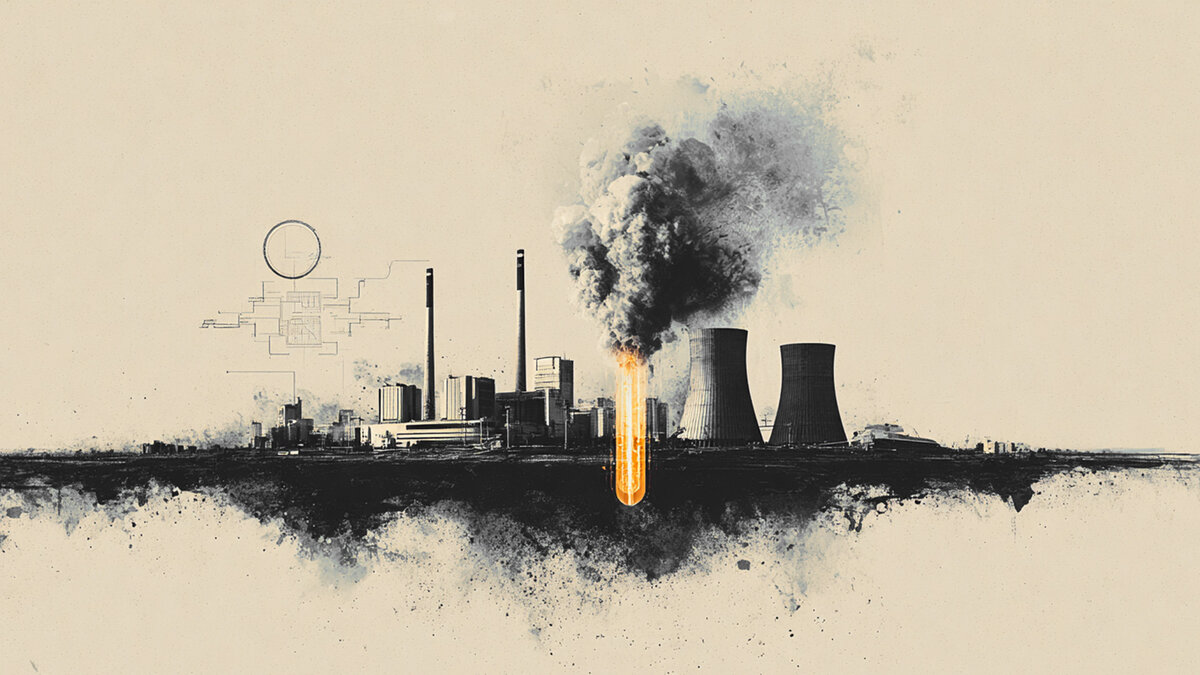

We’ve entered the post-illusion age of energy — the polite fiction of “green transition” has been replaced by a harder, more mercenary truth: security is now the highest form of sustainability. For the better part of a decade, cheap money and moral momentum inflated the ESG bubble, financing every windmill and white paper that promised a cleaner tomorrow. But the cycle has turned. What matters now isn’t how energy is produced, but whether it arrives on time and stays on.
The “green premium” — that extra moral surcharge we paid to feel virtuous — has given way to the “security premium.” Nations and investors now pay up for reliability, not righteousness. Germany’s about-face after Russian gas dried up was the wake-up call. You can’t heat homes with virtue signaling, and you can’t run an economy on aspiration. Reliability now trades at a premium over purity.
America’s shale revolution rewrote the global playbook. Once the U.S. stopped being an importer, it stopped being the world’s energy chaperone. The old Pax Petrolia — where U.S. carriers guaranteed global supply chains — is fading. Washington’s new doctrine is self-sufficiency first, friends second, global stewardship a distant third. That vacuum is being filled by Beijing, which built its own energy sovereignty quietly over two decades — stockpiling fuel, dominating solar, mastering the battery chain, and re-anchoring power around control, not compliance.
This is the essence of the New Joule Order: ( a must-read for anyone in the energy game) a world where energy behaves like capital — stratified, securitized, and deeply political. Fossil, nuclear, renewables are no longer moral categories; they’re hedges in a risk portfolio. The dividing line isn’t “clean versus dirty” but secure versus exposed.
In markets, this shows up as a repricing of stability. Investors who once chased growth narratives now chase delivered energy — joules that reach the socket, not just press releases about capacity. The true arbitrage lies in owning the chokepoints — grids, storage, pipelines, and logistics. The ones who control the flow own the future.
Capital discipline has returned, and with it, the death of lazy green exuberance. Projects now need self-liquidating cash flows and regulatory moats, not subsidy fairy tales. Energy is bifurcating into two species: fixed-return infrastructure that behaves like a bond, and variable-return volatility plays that behave like a trade. The investor of this decade will need to master both — one hand on the levered base load, the other ready to scalp the peaks.
The new alpha isn’t about being early to green tech; it’s about being right on security pricing. In the next cycle, the premium won’t be on the color of energy but on its certainty. The world has rediscovered what every trader already knows — hope doesn’t keep the lights on.
Author
Stephen Innes
SPI Asset Management
With more than 25 years of experience, Stephen has a deep-seated knowledge of G10 and Asian currency markets as well as precious metal and oil markets.