The inflation Litmus Test

Totems matter
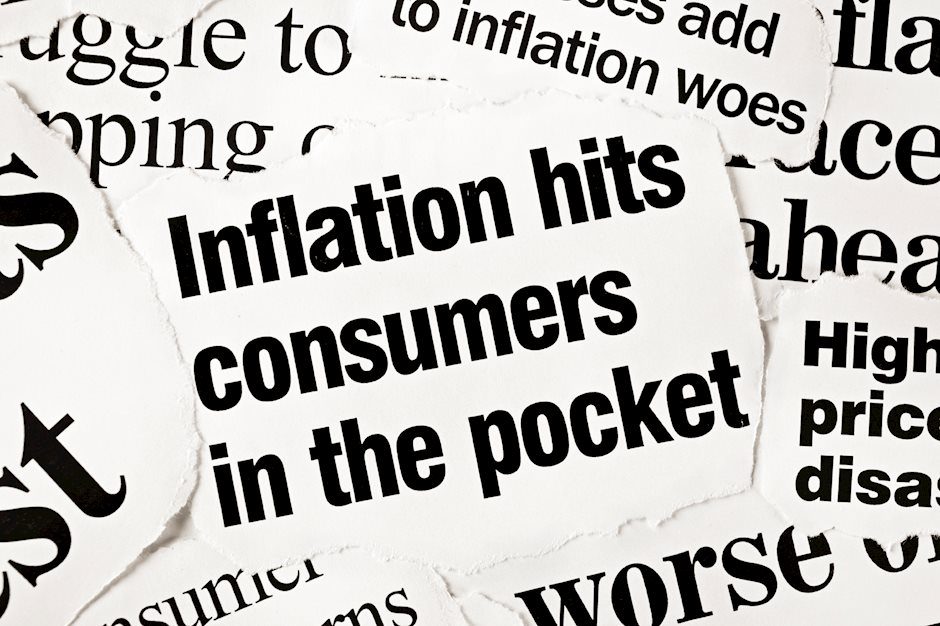
Rightly or wrongly, U.S. inflation data due this afternoon has come to be seen as a litmus test of whether or not economic conditions continue to support equity market advances. With few major stock indices extending their recent correction much beyond 10% from January highs, market participants are wary that any overshoot in price growth relative to expectations could upset still-fragile sentiment anew. The view is a little ‘totemic’, of course. Quite aside from the old truism around not over-emphasising one, or even a few data points, evidence linking long-term interest rates to inflation rates is notoriously sketchy, meaning markets should discount any short-term impact on rate expectations from inflation changes. Markets are not like that though. Any upside surprises against the 1.9% year-to-year print expected (down from December’s 2.1%), and more importantly 1.7% and 0.2% core annualised and monthly forecasts respectively, will trigger a quick re-think for risky assets. Potential March and May Fed rate rises have probabilities between 75%-77% according to fund futures and they’re now largely been priced into U.S. equities. So the focus is on whether projections of further tightening by the Fed in later months will be vindicated by economic readings in the run-up. Markets could certainly get themselves into lather on the notion that inflation greenlights the full clip of hikes the Fed has cued up. It’s notable that whilst the imperfect barometer of U.S. equity market anxiety, the VIX, has inevitably ebbed from spike highs notched when selling reached fever pitch, it remains within the notional ‘fear zone’ above 20. Even if markets take signs of brewing inflation in their stride, we would not interpret the mood as having completely dispelled crisis anxieties until the VIX crosses below that marker.
Broad rally
On that basis, indices were appropriately continuing to oscillate in wide arcs at the time of writing. At least the cross-Atlantic dislocation seen earlier in the week had righted itself, with both U.S. futures higher and Europe higher. The more positive side of elevated bond yields was also showing. It underpinned financial shares, including insurers. Also, Credit Suisse, whose third-straight annual loss was very much as expected (enabling the stock to rise with the market). Elsewhere, ThyssenKrupp’s outright operating profit acceleration aided broad sentiment on industrials. All this helped neutralise the effect of the Nikkei’s persistent non-participation in the global stock market bounce for a third session after the yen ground below 2017’s low.
Yen
The yen’s spike higher against the dollar kept it as the standout currency into the U.S. session. The pair marked a 15-month low of 106.84 and was last back up at 107.44 at the time of writing. But momentum gauges suggest the down leg is not complete, pointing to a short-term cap no higher than the 107.89 reversal high in Asia.
Euro
The euro is in focus for more technical reasons as it threatens $1.2356, a pivot established late last month and validated as resistance by an aggressive rejection earlier in February. The current up leg is in fact a recovery from that. The euro has tested slightly above the marker on Wednesday and post-consolidation probabilities suggest the rate will establish itself topside in the near term.
Pound
Sterling was above its own closely watched threshold of $1.3835. With anti-greenback momentum rallying here as well, completion of an AB/CD pattern that began in January off the aforementioned support would pitch cable back into the $1.40s in the weeks ahead.
Author
Ken Odeluga
CityIndex
Ken Odeluga has over 15 years' experience of reporting and analysing global financial markets.

















