The Fed tapering is a policy error
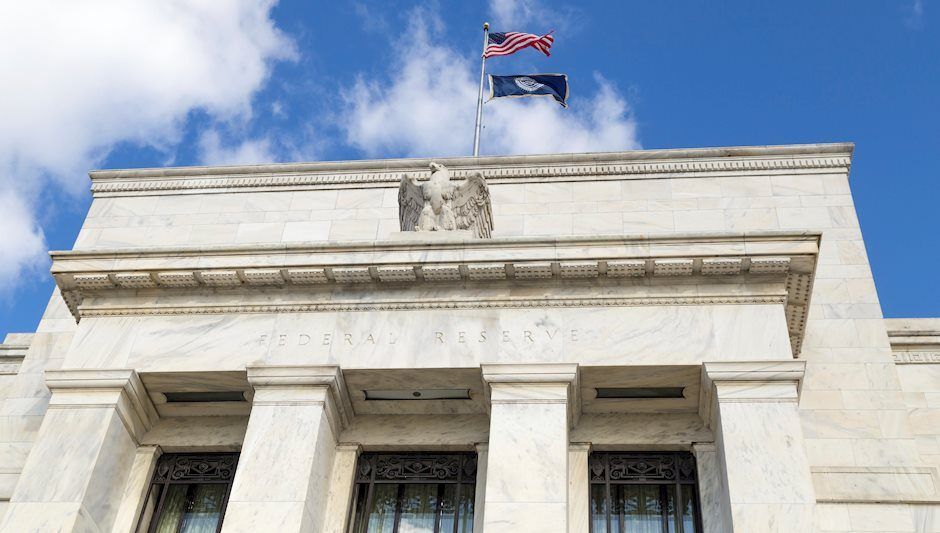

The Fed is now leaning towards tapering later this year. There are different forms of taper, but the first step is reducing their bond purchases via QE. The Fed announced today in their FOMC statement that, "if progress continues broadly as expected, the Committee judges that a moderation in the pace of asset purchases may soon be warranted." Now, they did not mention rate hikes but 9 Fed officials are forecasting rate hikes in 2022 versus just 7 in June. But, after a reduction in QE asset purchases, the next step are rate hikes. A taper at this point in time would be a monetary policy error, similar to what we saw the end of 2018.
Economic growth peaked in Q2 of this year. Decelerating data in the housing market, credit market, employment, consumption, income, and industrial production over the last few months tells us that growth peaked and is starting to slow. The Fed cannot successfully taper into a slowing economy with decelerating data. Their window to taper was between late 2020 and May 2021, which was during reflation, as growth/data was still accelerating.
While both are two forms of tapering, reducing the pace of bond purchases and rate hikes are drastically different. Maybe they can get away with the former, if done very gradually, but not the latter. Hiking rates into a slowing economy that is heavily overindebted will cause a deflationary bust. Unfortunately for Powell and the Fed, while we may have seen peak inflation data (CPI), the numbers are still very likely to stay elevated over the coming months. Which means the Fed may be pressured into hiking rates in Q1 of 2022 as midterm elections are right around the corner. With Powell’s job on the line, he cannot afford to sit around and do nothing while inflation data stays elevated (at least from a political perspective). Unfortunately for him, taking action is the very thing that will put him and the markets in deep water. Perhaps only exceptionally poor jobs growth data or a correction in equities of about 20% over the next couple of months can save him from walking down the policy error path of tapering at the next meeting in November.
Author
Ryan Miller
Ryan Miller Trading Economics
Ryan Miller received a Bachelors Degree in History from William Paterson University. Through his studies of U.S. history, he developed an interest in the implications the financial markets have on the economy.

















