The endless winter of Chinese prices
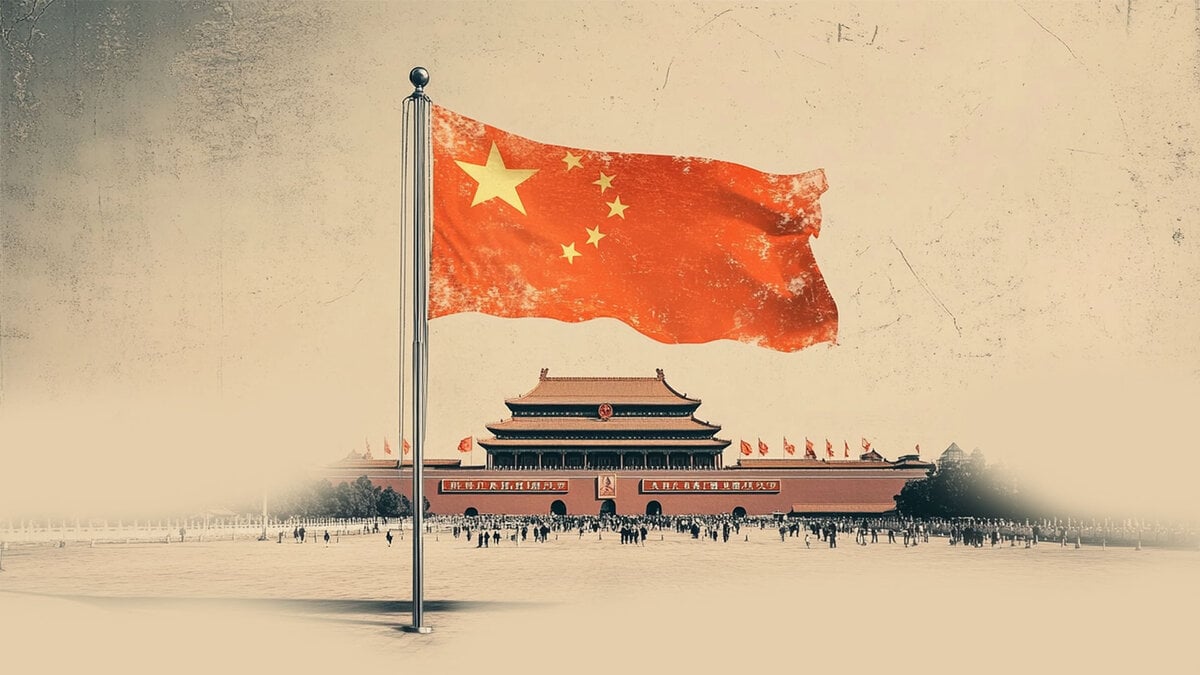

Let’s call China’s economy what it’s become — a tundra of cheap goods and frozen margins. Every month, Beijing’s statisticians roll out another deflation print, and every month the thermometer sinks a little lower. The country has now endured thirty-six straight months of falling factory prices — a deflationary marathon that began when the rest of the world was still arguing about reopening plans. It’s the longest cold spell since China first cracked open its markets in the late 1970s, and it’s wearing down everything that grows in the system — profits, confidence, and policy patience.
Producer prices fell another 2.3% in September. Consumer prices slipped 0.3%. Even the “core” measure — stripped of food and fuel — barely flickered at +1%. These are not the kind of readings that light fires in factory furnaces. They’re readings that make CFOs reach for another thermos of weak tea and pray someone, somewhere, starts buying again at full prices.
This isn’t just a bad weather pattern; it’s structural frostbite. A housing crash has frozen household wealth. Industrial overcapacity has turned production lines into survival contests. Every sector, from steel to solar panels, is trapped in a price war so relentless it feels like the corporate equivalent of trench warfare — companies undercutting each other just to live to fight another day. The result is a profit famine: the share of loss-making industrial firms is now at its highest since 2001.
Nine consecutive quarters of a falling GDP deflator confirm the deeper malaise. When an entire economy sells more but earns less, the problem isn’t a lack of production — it’s too much of it. It’s like watching a giant factory trying to heat the world by lighting furnaces under ice. Supply exceeds demand at almost every turn, and every ton of output only pushes prices further into the deep freeze.
The irony is that some numbers look deceptively healthy. Headline GDP might still clock in near the official 5% target. But that’s like measuring vitality by how fast a man walks while his temperature drops below freezing. The real pulse is weak — nominal growth, the actual oxygen of incomes and tax receipts, is closer to 3%. For a country whose debts and ambitions are priced in nominal terms, that’s not growth — it’s stagnation disguised as motion.
Even the government’s inflation target tells the story. Beijing quietly trimmed its CPI goal for 2025 to around 2% — the lowest in more than two decades. It’s less a target than an admission: the leadership no longer expects to re-ignite animal spirits. Fresh stimulus? Probably not. Officials will talk of “high-quality growth,” “new productive forces,” and “technological self-reliance,” but beneath the slogans lies a simple truth — they’re out of easy fuel. Monetary nudges and fiscal gestures can’t reverse the gravity of a deflationary economy that keeps producing more of what no one really needs.
Markets, of course, react like veteran traders wearing blinkers: muted, cynical, exhausted. The CSI 300 barely flashed. The Hang Seng China Enterprises Index managed a polite rebound after three losing sessions — more a reflex bounce on more stimulus hopes than a change in mood. Everyone knows this playbook by now: deflation data lands, chatter about easing surfaces, sentiment twitches, then freezes again.
Deflation in China isn’t a number anymore; it’s a mood, a cultural climate. It’s the sense that prices fall because hope does. When shoppers expect next month’s goods to be cheaper, they wait. When firms expect next quarter’s sales to be weaker, they cut. When investors expect policymakers to wait out the storm rather than fight it, they hedge — not for risk, but for boredom.
So here we are, three years into the longest winter since the dawn of reform. China remains a vast industrial power with the means to flood the world with everything from cars to cheap semiconductors — but at home, it’s running on the quiet hum of deflation. The furnaces are still on, the machines are still running, but the warmth they generate barely reaches the surface. It’s an economy that keeps moving, but never quite thaws.
Author
Stephen Innes
SPI Asset Management
With more than 25 years of experience, Stephen has a deep-seated knowledge of G10 and Asian currency markets as well as precious metal and oil markets.