The day the Fed lost its political immunity
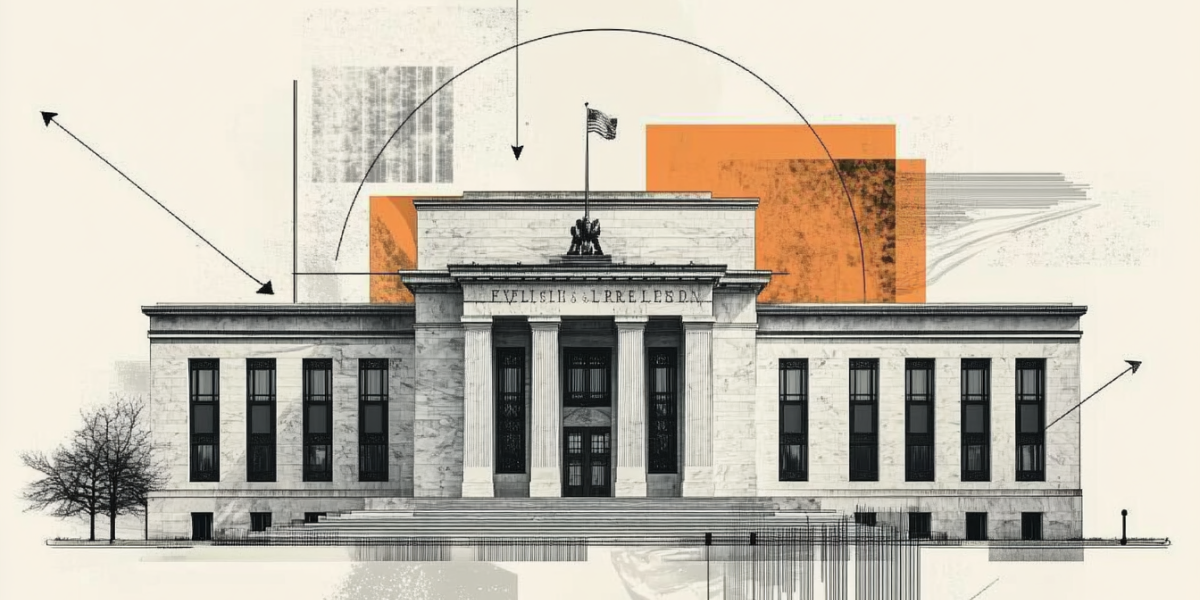

Markets can live with almost anything except uncertainty about who is actually calling the game. Inflation spikes can be modelled. Recessions can be discounted. Even wars eventually find a price. But once the referee is dragged across the field and accused of fixing the score, the entire match changes.
That is where we are now.
The subpoena served on the Federal Reserve is not a footnote or a sideshow. It is a direct challenge to the one institution markets rely on to operate above politics. You can dress it up as an investigation into renovation costs or testimony nuance, but markets are not naïve. This is being read as pressure on monetary policy by other means.
For decades, the Fed has been treated as a central bank first and a political institution never. That implicit contract is what allowed Treasuries to be risk-free, the dollar to anchor global finance, and US assets to command a premium even when policy mistakes piled up. Once that contract is questioned, everything downstream begins to be repriced.
What makes this moment especially jarring is the timing. The Fed is already doing what the White House wanted. Rates have been cut. Financial conditions have eased. The inflation boogeyman never arrived. Labour markets softened first. Yet just as the Federal Reserve pivots dovishly, the pressure escalates rather than recedes. This indicates that this is no longer about rates alone. It is about control.
Powell’s response matters less for its legal framing and more for its signal. By stating explicitly that criminal threats are a consequence of rate-setting decisions, he effectively signalled to markets that the firewall is under attack. Once a central banker says that out loud, you cannot unhear it. Independence ceases to be an assumption and becomes a variable.
Markets reacted exactly as you would expect when that variable is introduced. The dollar slipped as the credibility premium wobbled. Gold surged to fresh highs because it thrives when trust erodes rather than when inflation spikes. The Swiss franc caught a bid. Equities leaned back, not in panic, but in reassessment mode. This was not risk off in the traditional sense. It was credibility hedging.
Here is the deeper issue traders are now forced to wrestle with. If a Fed chair can be subpoenaed while actively cutting rates, what happens when the next chair refuses to cut? What happens in the next downturn when policy decisions clash with electoral incentives? Once political leverage enters the monetary policy function, it never fully leaves. It lingers as a tail risk that must be priced.
This is not about defending Powell’s legacy. His record is messy. Pandemic era misjudgments fueled the worst inflation in forty years. Institutional credibility was damaged long before this week. But markets separate policy errors from institutional capture. One is survivable. The other is systemic.
The irony is that by escalating pressure now, the administration may have turned Powell into a symbol markets feel compelled to defend. Whether he stays or goes is almost secondary. The signal has already been sent. Central bank independence is no longer a settled assumption. It is a trade.
Author
Stephen Innes
SPI Asset Management
With more than 25 years of experience, Stephen has a deep-seated knowledge of G10 and Asian currency markets as well as precious metal and oil markets.