The Bank of Japan Preview: Kuroda, paranoia will destroy ya!
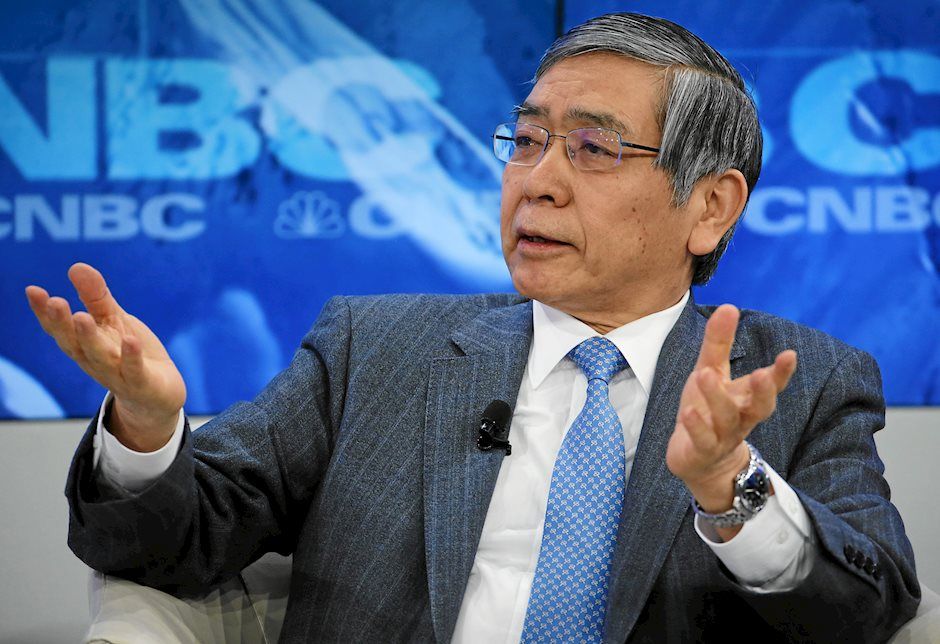

The Bank of Japan (BoJ) is expected top stand pad on monetary policy guidance marked by the yield curve control in March as the Monetary Policy Committee (MPC) is split between Doves and extreme Doves only with no signs of any hawkishness at all. The most important message was sent to the markets by the BoJ Governor Haruhiko Kuroda who said last week that it is too early to even think about any change of the monetary policy exit strategy to its massive monetary stimulus program and the time to ponder this will be around the fiscal year starting in April 2019. Governor Haruhiko Kuroda provided clear guidance on timing for normalizing policy.
In January, the MPC voted 8-1 to keep the negative interest rates on short-term bank deposits with the central bank while purchasing Japanese government bonds (JGBs) so that 10-year JGB yields will remain at around zero percent. To maintain the long interest rates steady, the BoJ will keep the JGB buys at the annual pace of about 80 trillion yen.
The only dissenter within the nine-member MPC was Mr. Takaoka who considered that, if there was a delay in the timing of achieving the price stability target due to domestic factors, the BoJ should take additional easing measures and that it was necessary to include that in the text.
The main reason for the BoJ to stay pad on monetary policy in March is the inflation rate. Although inflation is moving upwards in Japan, it is still way below the 2% inflation target.
With inflation below the target, the good news for Japan's economy is that the GDP is accelerating to an annualized 0.9% in October-December quarter, up from the initial reading of 0.5%. The important feature is that the GDP growth in Japan is driven by the capital expenditure that is seen rising 1.2% for the final quarter of 2017, up from 0.7%of growth reported in preliminary data. Capital expenditure rose for the fifth consecutive quarter confirming companies' willingness to invest.
Japan's economy, the world third-largest, is expected to experience the eighth straight quarter of the economic expansion in the final quarter of 2017, the longest streak of increases since the 12-quarter run of growth during the 1980s boom years.
Author
Mario Blascak, PhD
Independent Analyst
Dr. Mário Blaščák worked in professional finance and banking for 15 years before moving to journalism. While working for Austrian and German banks, he specialized in covering markets and macroeconomics.