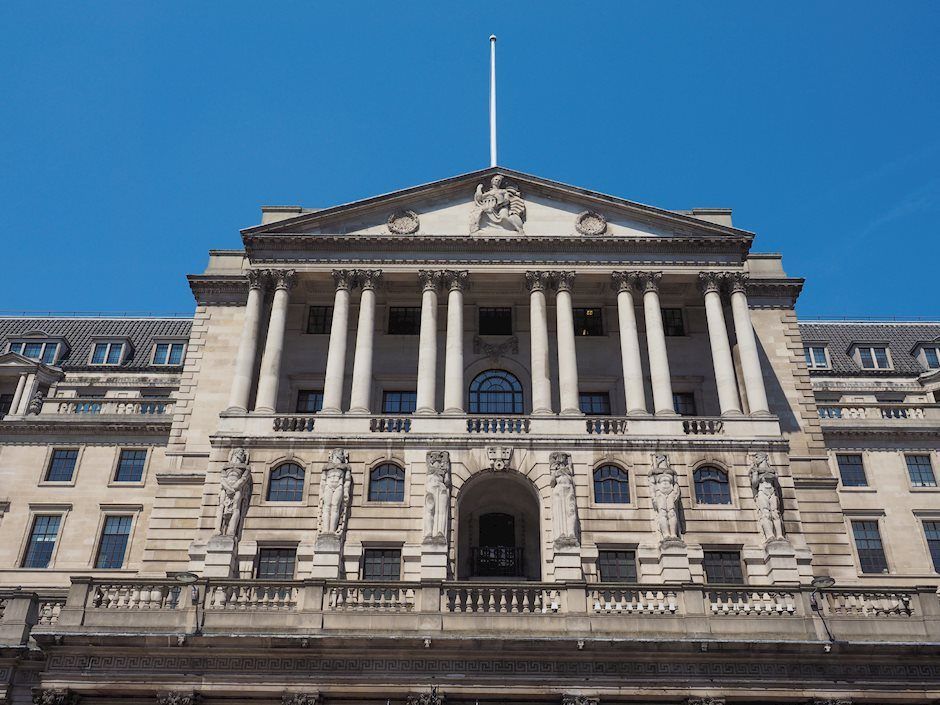
The Bank of England is in the spotlights today

Markets
We’re finally here. The US Fed took a first, bold step in paring back monetary restrictiveness after keeping rates steady for more than a year. The decision to cut by 50 bps (to 4.75-5%) in the new pursuit to neutral comes amid a shift in the balance of risks in its employment and inflation goals. The statement is now saying that both are roughly in balance (vs. being in the process of). Money markets were divided on the size of yesterday’s cut. For Powell the near-unanimous (Fed governor Bowman dissented) move was a way to demonstrate the central bank’s resolve to protect the labour market and economy from further undue weakness. The dot plot showed another 50 bps of cuts this year, followed by 100 bps more in 2025 and 50 bps in 2026 with a flat rate in the first print for 2027 (2.75-3%). Just as Powell did in the presser we’d downplay the relevance of these individual guesstimates, especially in an easing cycle - which is never as gradual as the dot plot suggests. The chair referred to the dot plot as a baseline scenario from which they can deviate. All it takes is one downside surprise in one of the two payrolls reports due between today and the November 7 meeting and the Fed is ready to jump in. Adding to the argument is their very conservative 4.4% peak forecasted for the unemployment rate which risks being caught up by reality soon. We do retain another upward appreciation of the neutral rate from 2.8% to 2.9%. Powell was explicit in saying that this equilibrium rate was “probably significantly higher” than it was before the pandemic. For most of the presser, Powell sought to spiraling market expectations by not committing to anything, just as anyone would have expected him to do. That sufficed from a daily point of view. US yields reversed kneejerk losses and ended up between 1.4 and 6.1 bps higher in a curve steepener. A similar U-turn kept the US dollar at bay. First resistance in EUR/USD (1.1119) at 1.1202 was never really under threat. We’re curious to the market’s second reading of the Fed today though. In any case we remain cautious on US yields and the dollar and look out for the first major US data releases early October.
The Bank of England is in the spotlights today. We don’t expect the central bank to follow the ECB and Fed with a cut. The one in August was a close call for some and we think the recent string of data, including yesterday’s rising (services) CPI, won’t have those same policymakers voting for another move down again just yet. The November meeting, featuring updated forecast, on the other hand is a live one. This is exactly what is priced in. Sterling’s reaction to the status quo at 5% should therefore stay limited.
News and views
The Brazilian central bank (BCB) raised its policy rate yesterday by 25 bps, from 10.50% to 10.75%, bucking the global trend and showing what a soft landing might entail. The BCB was frontrunner in the early stages of the pandemic recovery to spot the inflation danger and start an aggressive tightening cycle, bringing the policy rate from 2% to 13.75%. As disinflation started, they gradually lowered the Selic target rate to 10.50%. It remained there since May until yesterday. Domestic indicators on the economic activity and the labour market have been stronger than expected, suggesting a positive output gap. Headline and core inflation measures moved back above the central bank’s inflation target. Inflation expectations remain deanchored and are one of the upside inflation risks together with services inflation. The BCB commits to further rate adjustments, but will let inflation decide on the pace and on the total magnitude. Lack of synchrony in monetary policy cycles across counties, and especially the US, continue to require caution. USD/BRL yesterday tested 5.40, the neckline of a technical head-and-shoulders pattern.
The August Australian labour market report was close to consensus. Employment increased by 47.5k (vs 26k expected) but following a downward revision to July figures (48.9k from 58.2k). Details showed a small decrease in the number of full-time employed people (-3.1k) with half-time jobs accountable for the August increase (+50.6k). The unemployment and labour force participation rates stabilized respectively at 4.2% and 67.1%. Head of the Australian Bureau of Statistics, Kate Lamb, said that the employment and participation measures remain historically high, while unemployment and underemployment measures are still low. This suggests the labour market remains relatively tight. The Aussie dollar profits this morning with AUD/USD testing the 0.68 resistance area as data strengthen the RBA’s current higher-for-longer approach.
Author
KBC Market Research Desk
KBC Bank