Tariffs, smoke, and shrinkflation mirrors: The illusion of MAGAonomics
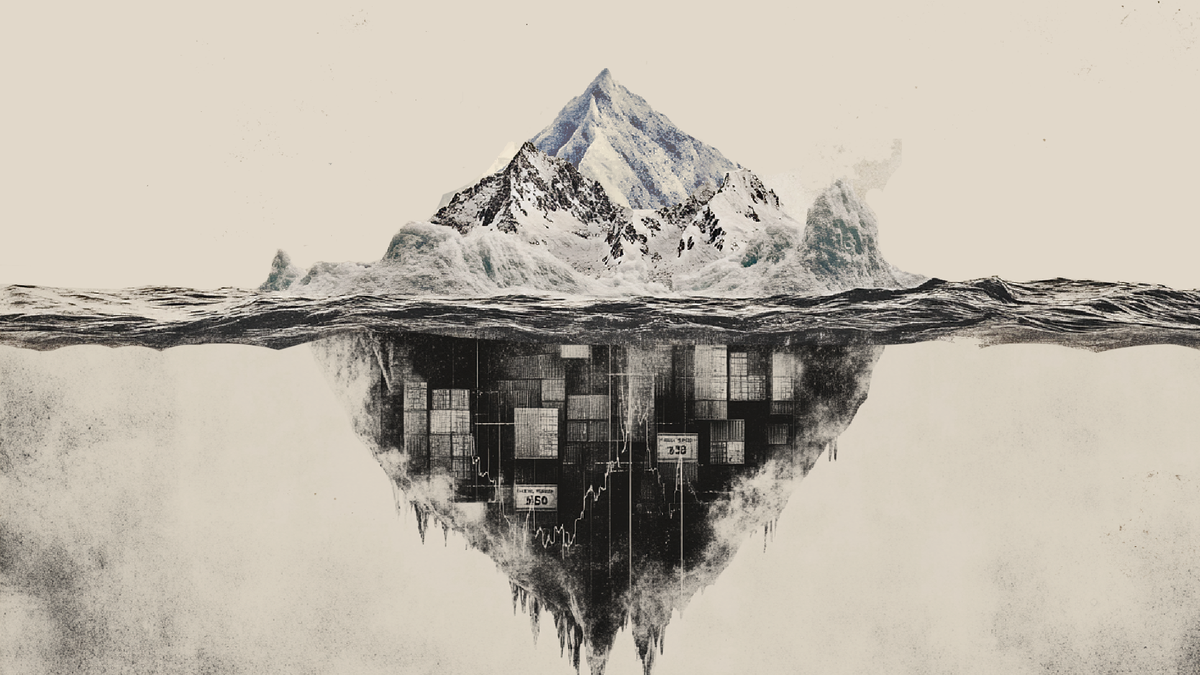

The headlines sound like a dream for deficit hawks and red-hat hawkers alike: “Tariffs are going to Make America Great Again!” Trump is pacing the White House lawn at midnight, too giddy to sleep, talking up a fiscal revolution fueled by import taxes. And to be fair, the numbers do pack a visual punch. In just six months, tariff revenues have ballooned to $120 billion—more than double the same period the year before. At this rate, the MAGA tariff machine could haul in $400 billion annually. On the surface, that looks like a fiscal fix rolled in red, white, and blue.
But that’s the surface—and markets don’t trade on campaign slogans.
Zoom out, and the math gets uglier than a CPI chart in July. The U.S. national debt is barreling toward a $1.9 trillion increase this fiscal year alone. Since Trump took office, it’s tacked on another $700 billion. That’s roughly $5.5 billion in new debt per day—enough to swallow the entire year’s tariff windfall in less than two months. And no one in D.C. is cutting spending; it's all on auto-pilot. Recession? War? Another COVID variant? All would accelerate the debt clock, not slow it.
Even if Trump doesn’t follow through on his rebate idea—refunding tariffs back to consumers—tariff revenues are a drop in an ever-deepening red sea. If he does rebate, it’s vaporware before the ink dries. It’s a fiscal mirage: shiny from a distance, but evaporating the closer you look.
And inflation? Tariffs are like termites—you don’t see the damage until the floor collapses. The usual pundit class may be quiet now, but the inflationary impact is a lagging beast. We're still in the grace period. But make no mistake: someone always pays. Either corporate margins get crushed (and the stock market finally notices), or prices get passed to consumers. The latter is far more likely—and more insidious.
The corporate trickery is already here. A pack of paper plates at Walmart once came with 70 per bundle. It’s now 50. Same price, fewer goods. That’s a 40% price increase hiding in plain sight. Shrinkflation isn’t a clever tactic; it’s legalized larceny. And guess what? It doesn’t show up in CPI, because the Bureau of Labor Statistics isn’t measuring your plate count. They're measuring the illusion of price stability while your purchasing power gets mugged in the parking lot.
So sure, tariffs may look like fiscal manna. And in a vacuum, they have leverage—they've wrung trade concessions from half the planet. But they haven’t moved the BRICs. China, India, Brazil, Russia? They’ve simply shrugged and gone shopping elsewhere, retooling trade alliances and eyeing a post-U.S. order. And now, Trump’s weaponization of tariffs against Russia, China, and India to force a Ukraine peace deal is starting to rhyme with Roosevelt’s 1941 oil embargo on Japan. History doesn’t repeat, but it often tariffs.
At the end of the day, markets don’t care about midnight tweetstorms or Oval Office showmanship. They care about balance sheets, earnings, inflation risk, and policy spillover. And the real consequence of this tariff drive might not be felt in Washington, but in the aisles of Walmart, the margins of the S&P 500, or the next currency to quietly shift away from dollar settlement.
The low-hanging fruit is gone. What remains is a grind—a slow, grinding recalibration as traders, consumers, and corporates all try to reprice the real cost of these policies. Tariffs might make America feel great again for a while—but eventually, someone’s going to check the receipts.
Author
Stephen Innes
SPI Asset Management
With more than 25 years of experience, Stephen has a deep-seated knowledge of G10 and Asian currency markets as well as precious metal and oil markets.

















