Sterling dips after UK inflation report, WTI in focus
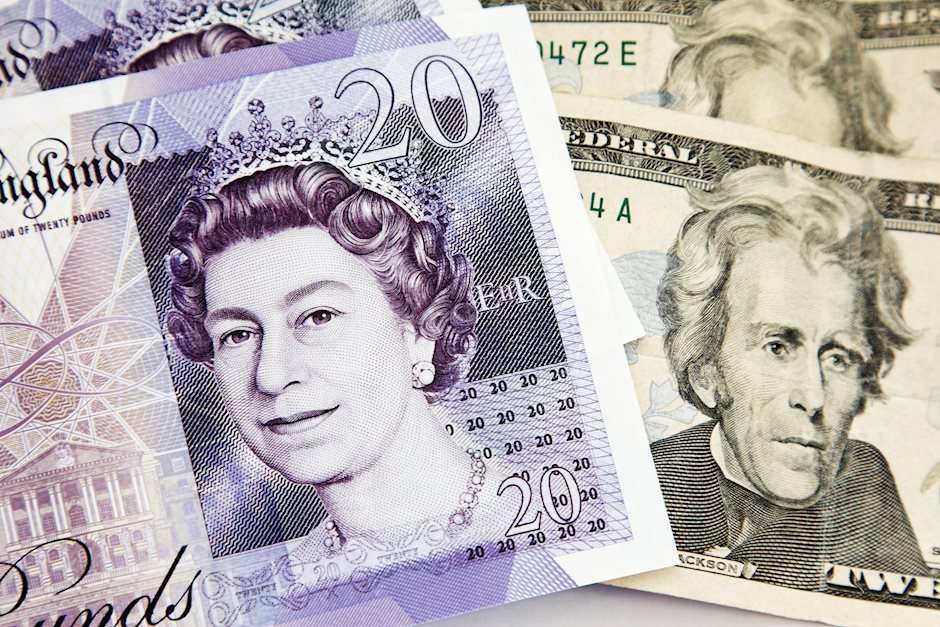

Sterling bears made a late appearance on Tuesday, after official figures showed that inflation in Britain climbed to its highest level for more than five years, in September.
Consumer price inflation rose to 3.0% in September, up from 2.9% in August, on the back of rising food prices and transportation costs. With UK inflation now 1% above the Bank of England’s 2% target, Mark Carney and co. have found themselves under renewed pressure to raise interest rates at November’s policy meeting. Although today’s CPI figure has supported expectations of a rate hike this year Sterling remains depressed, and this continues to highlight how investors are still in mixed minds about the BOE’s ability to take action.
This has been a tricky year for the central bank, especially when considering how elevated inflation levels have squeezed household spending - impacting the outlook for the economy. With inflation leaving average earnings in the dust, consumers are feeling the pinch and as such,it threatens the sustainability of Britain’s consumer-driven growth. While the argument for higher rates is to put a lid on inflation, this may end up punishing the fragile UK economy.
With political risk at home and Brexit uncertainty adding to the messy mix, markets will be paying very close attention to how the Bank of England addresses these issues during November’s policy meeting. The question everyone is asking, is whether the central bank will raise rates to tame inflation, or if will be forced to remain on standby amid Brexit uncertainty. Whatever the decision, it will reflect on Sterling, which has become increasingly sensitive to monetary policy speculation.
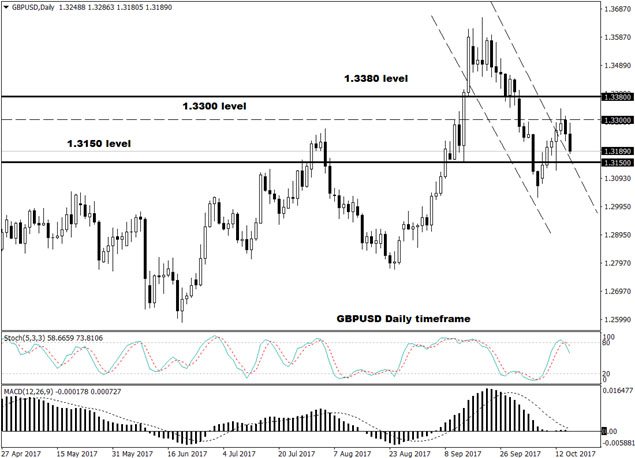
From a technical standpoint, traders will continue to observe how the GBPUSD reacts around the 1.3300 region. Weakness below this level, may open a path back towards 1.3150. Otherwise, a solid break above the 1.3300 resistance could inspire bulls to attack 1.3380.
Oil supported amid Iraq tensions
Oil bulls were in full force this week, as escalating tensions in Iraqsparked concerns over potential output disruptions from the northern regions.
Reports that Kurds had shut down around 350,000 barrels per day of production from major oil fields fuelled oil’s appreciation, with WTI Crude trading above $52 as of writing. While oil supply disruptions and high OPEC compliance rates may support oil prices, the question is - for how long?
It should be kept in mind that OPEC’s October report showed that the cartel’s production rose to 32.7 million barrels a day in September. This increase in production, despite the cartel’s attempts to limit output, is likely to eventually weigh on sentiment, and raise questions over the effectiveness of the production cuts. With rising production from Nigeria, Libya and Iraq, the culprits behind September’s high OPEC output, markets will be paying very close attention to how the cartel addresses this. The threat of increased production from these three nations is sabotaging the efforts made by the rest of the group to rebalance markets. This may force OPEC to request all three nations to be added to the production cut deal.
Bitcoin in focus
Bitcoin bulls seem to be on a tea break following the incredible rally last week, which saw prices sprint to an all-time high of $5856.10. It seems some investors are still scratching their heads and pondering over what was behind the catalyst behind last week’s impressive rally. With Bitcoin being the new cool kid in town and attracting investors like moths to a flame, further upside could still be on the cards. Will Bitcoin hit $6000? This is the question everyone is asking andwhat investors are banking on.
Author
Lukman Otunuga
ForexTime (FXTM)
Lukman Otunuga has been a Research Analyst at FXTM since 2015. A keen follower of macroeconomic events, with a strong professional and academic background in finance, Lukman is well versed in fundamental and technical analysis.