S&P 500 hits altitude sickness near 6,000 as ADP miss casts a cloud over NFP Friday
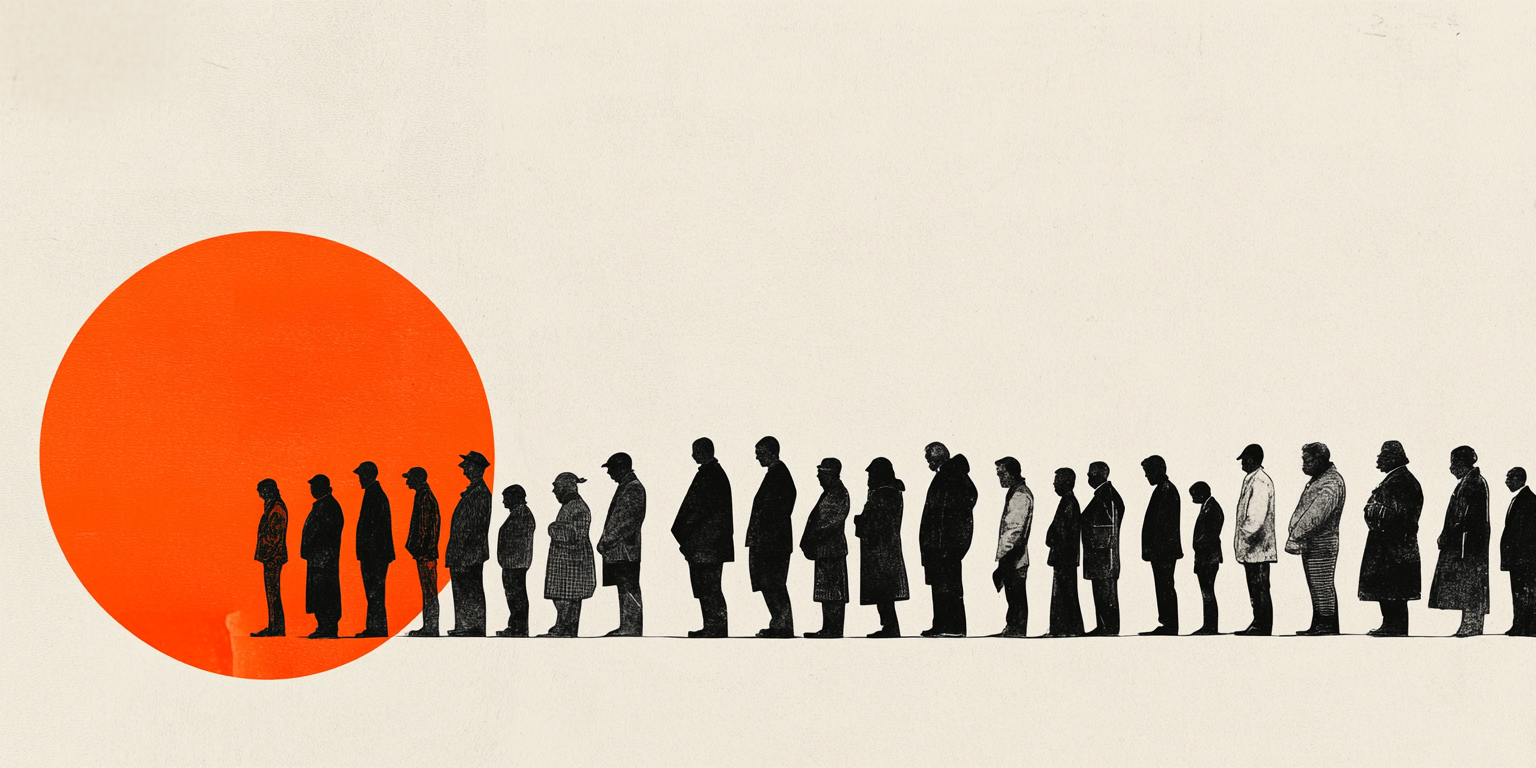
Altitude sickness
U.S. equities coasted to a mixed close on Wednesday, pausing for breath after an extended climb, just as the view got a little foggy. The Dow slipped 92 points to break its four-day winning streak, while the S&P barely moved and the Nasdaq squeezed out a modest 0.32%. But the real story wasn’t in the scoreboard—it was the crack in the labour narrative.
Enter the ADP report—noisy, volatile, and as usual, not to be trusted as gospel—but still enough to rattle cages as it was painfully light.. Private payrolls rose by just 37,000 in May, far short of the already-soft 60k from April and miles below the 110k forecast. Even for a report known more for misdirection than signal, it throws shade on the Tuesday JOLTS sugar high and casts a long shadow over Friday’s main event: the government’s official Nonfarm Payrolls number.
And that’s the real kicker. All week, we’ve been fed a zigzag of second-tier labour prints—just enough to make traders twitchy, not confident. What we’re staring down now is a highlight-reel NFP setup, where even a headline miss under 100k could steal the oxygen out of the room. Sure, a weaker number would tick the “rate-cut-soon” box, but the market’s already gorged on that narrative. The bigger risk is that too soft a print resurrects recession ghosts—hence the S&P 500 hit altitude sickness as it approached the 6000 markets.
For now, we’re in a classic risk standoff. Growth is softening, but rate relief is priced, and equities are struggling to justify forward multiples with earnings forecasts already dialled up to 11. We’re stuck in a no-man’s land where the left tail (worst-case tariff blowup) has been muted. Still, the right tail is capped by valuation, with a rebound in US economic growth nowhere to be seen, especially with Trump’s tariff wall still looming over the American consumer.
So what’s left? A range-bound tape, limp volatility, and a market searching for its next spark. We’re entering a summer lull—catalyst-light, headline-heavy. Until the Fed cuts with conviction, or we experience a genuine growth re-acceleration (which is unlikely given the ongoing supply chain uncertainty and trade risks), this market appears boxed in. The air’s thick with indecision, and Friday’s NFP could be the match—or just more smoke.
However, miss badly, and we’re not talking cuts anymore—we’re talking credibility, direction, and whether this cycle still has legs. Until then, this tape will trade with a bid on the dips and doubt on the rips.
For now, the market is holding—but the altitude is thin, and the next step needs solid footing.
The view: Is Powell feeling the heat?
The “strong labour market” story just took a steel-toe boot to the ribs. ADP delivered a faceplant—only 37k jobs added, the weakest print in two years—ripping the façade off the resilience narrative and yanking labour surprise indices back to pre-election levels. And if that wasn’t enough, ISM Services imploded too: new orders cratered while prices paid screamed to 30-month highs. The kind of stagflation-lite cocktail that makes even the most dovish central banker sweat.
Trump wasted no time lighting a fire under Powell, posting a social media tirade that read like a live-tweeted FOMC intervention. The message was clear: cut now—or wear the blame. Combine that political heat with macro cold water, and the market did what it does best—front-run the Fed with a vengeance.
Treasury yields didn’t just slip—they got steamrolled. A 9–11bps drop across the curve, with the long end taking the brunt. The 30Y once again rejected the psychological 5.00% line like a brick wall, and today’s move marks one of the largest single-day plunges in the past year and a half. Overlay that with the Treasury Department’s buyback operations in the 2036–2045 window, and you’ve got the makings of a full-on curve reevaluation.
The dollar? Cracked like a pane of glass under rate-cut weight, erasing yesterday’s bounce and closing at fresh cycle lows. Gold, unsurprisingly, took flight, catapulting back toward $3,380 as real yields dropped and the greenback buckled. The flight to hard assets is alive and well.
Equities, meanwhile, looked less convinced. The Nasdaq held its AI halo and closed higher, but the Dow and Small Caps rolled over, snapping the Dow’s four-day win streak. The S&P flirted with the psychological 6,000 ceiling, but momentum stalled just shy of it—like a runner hitting oxygen debt at mile 25. Under the hood, it was a tale of two tapes: the Magnificent 7 went vertical, while the other 493 names got left behind like bagholders.
That bifurcation isn’t just anecdotal—it’s structural, as this rally is narrowing fast. Mega-cap tech is dragging the entire index uphill, but breadth is deteriorating, and participation is thinning. Risk is getting top-heavy.
Volatility pulled back with VIX settling into a 17-handle, but don't get lulled by the calm. The vol curve’s whispering what traders already know—Friday’s NFP is the last real live wire before the summer lull sets in. After that, liquidity evaporates, narratives dull, and markets drift like sailboats waiting for wind.
Bottom line? Today was a shot across the bow. If Friday’s payrolls echo this weakness, rate-cut fever will hit full tilt—and the Fed’s “wait and see” posture might finally buckle under the weight of political pressure, market fragility, and a data tape that’s no longer cooperating.
Author

Stephen Innes
SPI Asset Management
With more than 25 years of experience, Stephen has a deep-seated knowledge of G10 and Asian currency markets as well as precious metal and oil markets.