Silver’s structural deficit vs Macro pressure
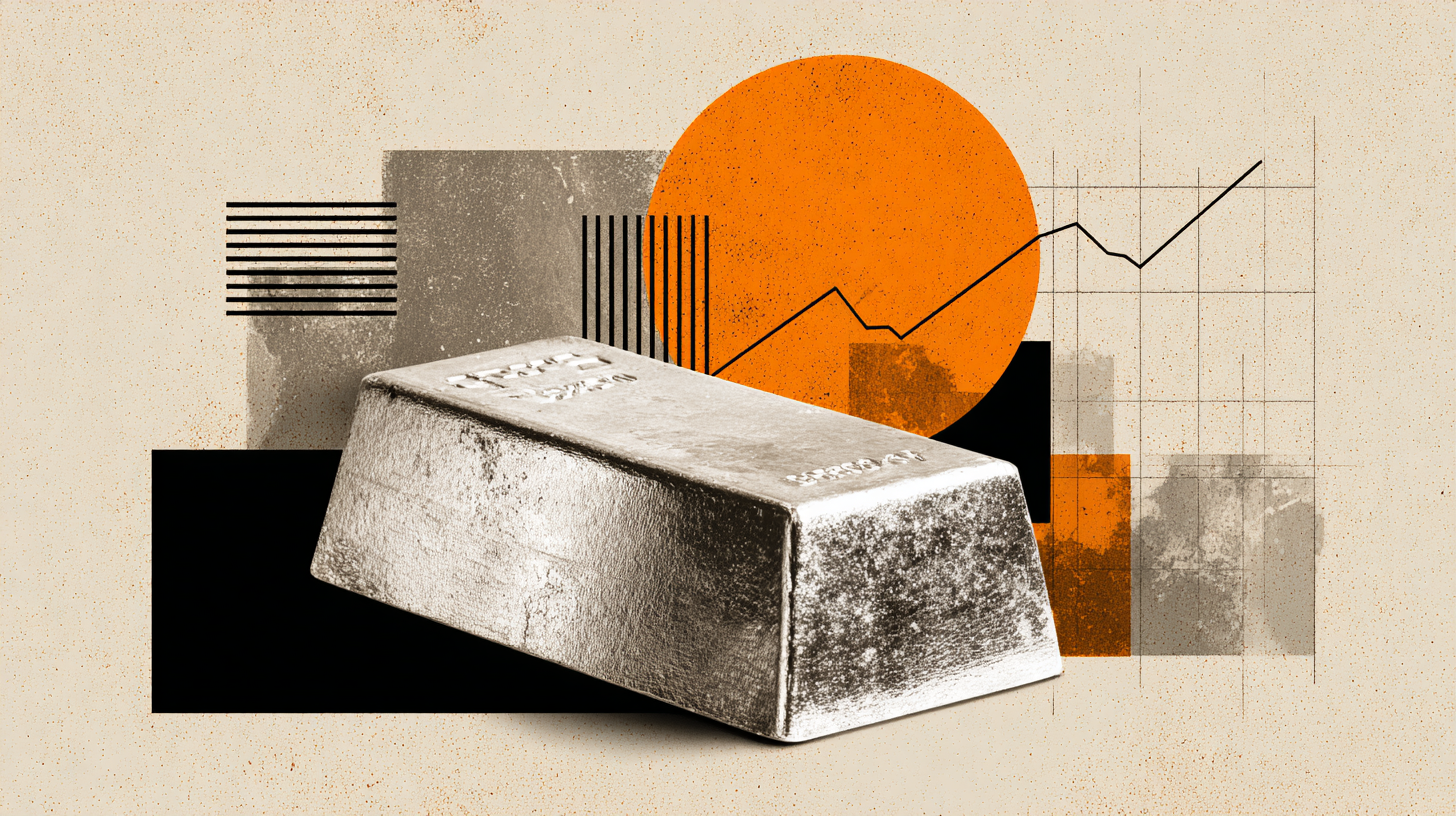
Silver sometimes appears to convey contradictory signals. While there continue to be stories of shortages in supply and industrial demand, prices may fall or fail to rise when interest rates increase or sentiment about the economy falls. Given that the world is always requiring silver in quantities larger than what the existing supply can satisfy, why wouldn’t its prices be consistently going up?
This paradox can be explained by taking into consideration that silver operates both as an industrial product and as an investment. The physical constraints of supply apply, but so does the cost of capital, exchange rates, and investment appetite. An insight into both facets will help one to realize that the structural deficit does not automatically translate to gains.
What is a structural deficit?
The silver market deficit happens if the demand exceeds the supply from mining and recycling over the year. The structural deficit is about an ongoing imbalance, not just a temporary deficit that might happen due to a disruption.
The gap is filled by drawing on previously accumulated silver. These above-ground holdings help explain how demand can exceed new supply without buyers immediately running out of metal.
Nevertheless, the deficit does not mean that all coins, bars, and other products made of silver become scarce. Availability depends on the location, the form of the metal, and the willingness of owners to sell it. An empty dealer display case is very different from a global supply imbalance.
Why Silver supply can be slow to respond
Price increase stimulates mining, but the process cannot happen immediately because mining companies need time to develop deposits, obtain funding and permission, and build necessary infrastructure. Expanding an existing operation also takes time.
Additionally, much of the world’s silver comes from mines primarily producing other metals. Their production decisions depend partly on the economics of copper, lead, zinc, or gold, not silver alone.
As industry analysis explains, this dependence on other mining activities can limit silver’s supply response. Recycling provides another source, but collection costs and recovery challenges affect how much metal returns to market.
Industrial demand supports Silver
Silver’s electrical conductivity makes it useful in solar cells, electronics, vehicles, and industrial equipment. These applications create demand that isn’t based solely on investors’ expectations about prices.
This industrial use can facilitate future consumption of silver, although at the same time it makes it prone to economic slumps. Changes in technology can also influence demand for this metal. Manufacturers might have an incentive to use silver in lower quantities per item produced.
How interest rates and the Dollar apply pressure
Macro pressure refers to broad economic forces that influence markets. For silver, interest rates and the U.S. dollar are especially important.
Physical silver pays no interest. When bonds and savings products offer attractive inflation-adjusted returns, investors may prefer those income-producing assets. Expectations of higher rates can therefore weigh on silver before any policy change occurs.
A stronger dollar can create another obstacle. Since silver tends to be quoted on the international market in dollars, the value of the dollar makes silver more expensive to foreign currency customers.
How prices can fall in case of a deficit
Silver prices are driven by changes in the outlook, not simply the presence of a deficit. If there is an expected larger deficit, followed by smaller forecasts, silver can fall in price even though demand outstrips production.
Investment activity matters as well, especially as silver can decline despite continued demand by industry through selling futures contracts or other investment channels. Existing holders may release silver into the market, helping meet demand.
These aren’t entirely separate markets. Financial trading and physical transactions influence one another. But they operate on different schedules. A trader can change a position quickly, while a mine expansion may take years.
What bullion buyers must know
The structural deficit is information, but it’s not an indicator of imminent bullion price gains. Take into account supply, industrial demand, interest rate predictions, and investment flows.
With a physical purchase, don’t overlook all the costs of owning, which include dealer fees, storage charges, and buy/sell spreads. Retail premiums can move differently from silver’s market price.
Ultimately, supply constraints may strengthen silver’s investment case, while macro pressure can still produce substantial losses. A buying plan should account for both, while leaving room for a longer, not-always predictable journey.
Author

Jon Cavuoto
First National Bullion
Jon Cavuoto is the Founder, President, and Chief Executive Officer of First National Bullion Inc., a leading precious metals brokerage firm and one of America's trusted sources for gold, silver, platinum, and palladium bullion coins and bars.