Riksbank and Fed expected to stay on hold, with focus on first Warsh-led meeting
In focus today
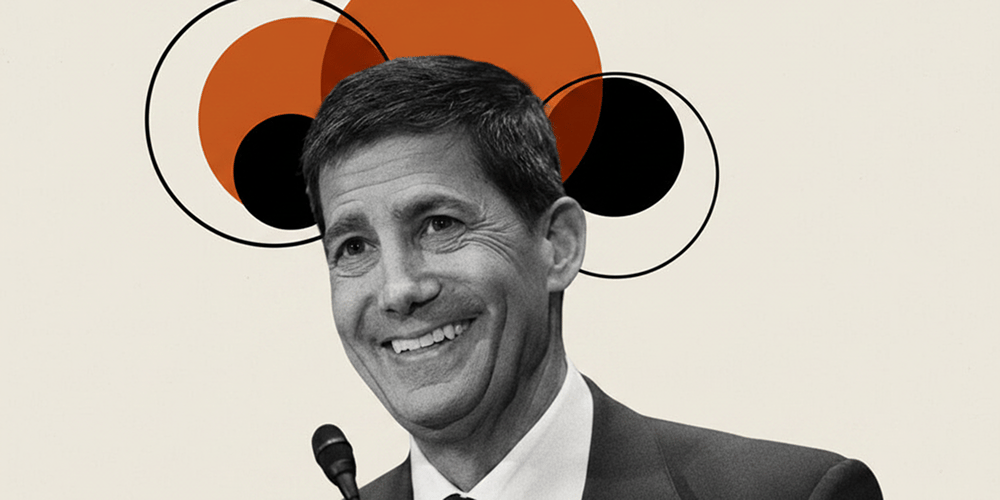
In the US, new Fed chair Kevin Warsh holds his first press conference. We expect the policy rate will remain at 3.75%, as also priced by markets. Focus will be on his policy leanings, views on the economy and any shifts in Fed practices. Even if Warsh proves to be relatively dovish, we still expect the distribution of rate projections to move higher compared to March.
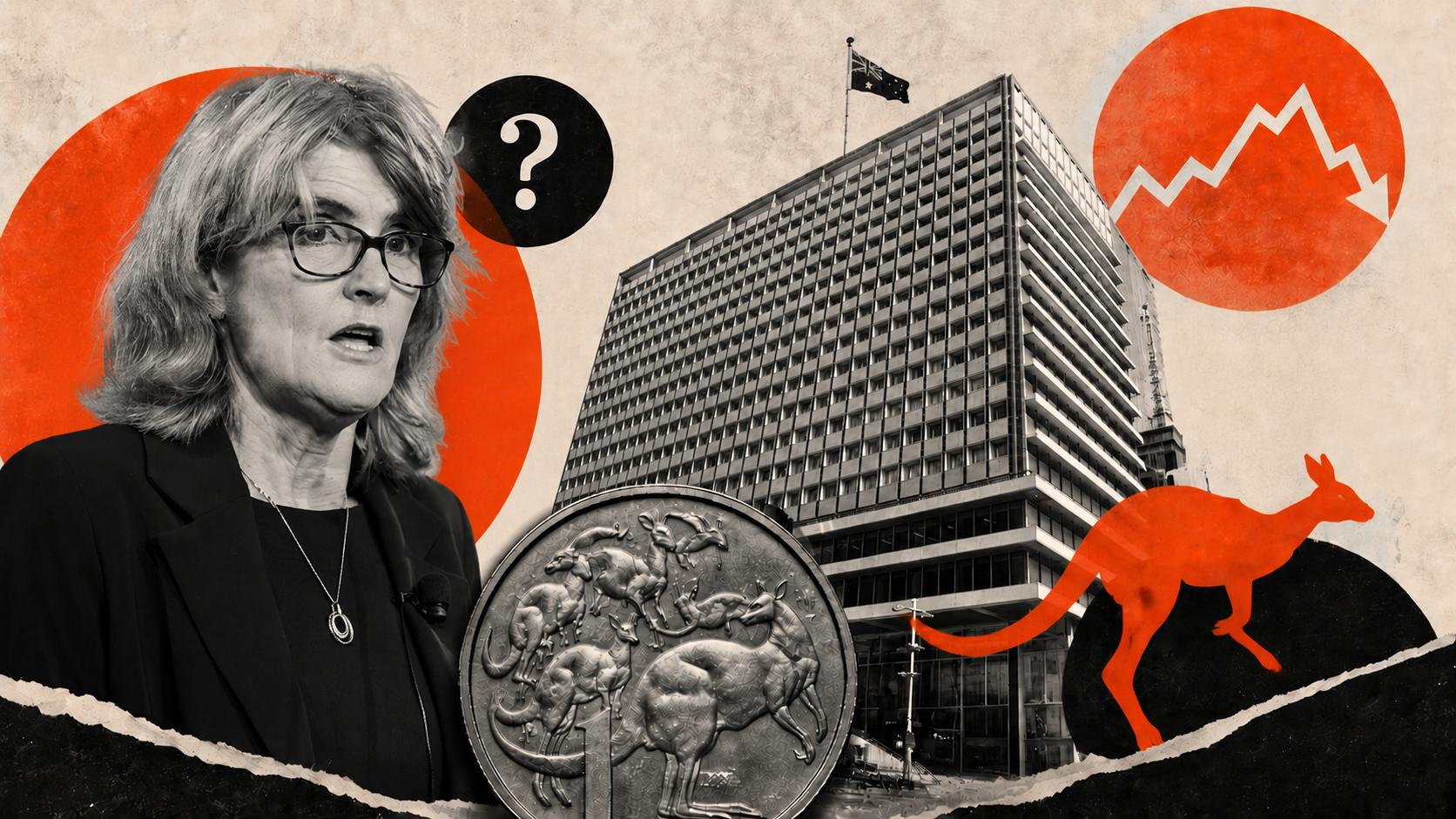
In Sweden, we expect the Riksbank to keep the policy rate unchanged at 1.75%, with focus on the new rate path. Our base case is a higher probability of a hike in H2 2026, with the Q4 2026 policy rate averaging 1.9%, broadly in line with market pricing. We will watch the new projections and Governor Thedéen's communication for signals on the likelihood of hikes, and we maintain our call for increases in September and December.
On the final day of the G7 summit, leaders will focus on securing critical mineral supply chains, a core theme of France's presidency, alongside efforts to address global economic imbalances. France's push for a joint statement follows last year's Chinese export curbs, which exposed Western vulnerabilities. Options such as price supports, standards and subsidies signal early steps to diversify away from China without provoking a full trade rupture.
In the euro area, we receive the final HICP inflation data for May. The flash release showed a surprisingly strong services print of 0.5% m/m s.a. The final release will provide details to assess whether it was a one-off or a more broad-based pickup in momentum, which is important for the ECB outlook.
In the UK, May CPI data is released ahead of the BoE meeting tomorrow. The UK has been on a disinflationary trend since autumn, but the PMI survey suggest, price pressures have increased significantly during the spring.
Economic and market news
What happened overnight
The US-Iran deal leaves major questions unresolved. Some details out with President Trump saying it will rule out a nuclear weapon for Tehran and a US official saying it allows Iran to sell oil upon signing. Trump has pledged to publish the text; however, US officials say key commitments sit in back channels, raising transparency concerns. Israel insists it is not bound and fighting with Hezbollah continues. G7 partners flag verification risks, and markets price a lower oil risk premium, but the ceasefire's durability remains uncertain.
In energy markets, Brent crude has slipped to just below USD 79/bbl, a three‑month low, as markets price a potential reopening of the Strait of Hormuz and softer physical demand after the preliminary US-Iran deal. The move is concentrated at the front of the curve, with 1‑year Brent still near USD 75/bbl, close to pre‑war levels. Polymarket odds for normalised Strait traffic by end‑July remain around 60%, while low inventories and geopolitical risks may limit further downside. European natural gas prices are also lower, with TTF front‑month contracts down around 5% on reduced perceived supply risk.
What happened yesterday
In Germany, the ZEW economic sentiment improved sharply in June, rising to 10.5 from -10.2 in May, as investors turned more optimistic on an easing of the Iran conflict and inflation pressures. However, the current conditions index deteriorated further to -81.0 from -77.8, underlining that the assessment of the present situation remains very weak despite the brighter expectations.
In Sweden, the NIER's new forecast points to a continued recovery in the Swedish economy, with improving consumer and business sentiment as resource utilisation rises. Firms' price plans indicate that tax cuts will dampen inflation in 2026, before price pressures pick up again and leave inflation slightly above, but close to, the Riksbank's target, making these survey signals particularly important for the bank's policy assessment.
Equities: Equities were generally lower on Tuesday. US gave back some of Monday's gains with S&P 500 -0.6% while Stoxx 600 caught up slightly, up 0.3%. Tech underperformed sharply, with AMD, Micron and Intel down more than -7%. As such, the unusual volatility in the tech and particularly semis/memory space continued. However, on level, SOX closed near the highs taken early June and still 15% higher the last month.
Despite the tech weakness, this was far from a risk off session. Cyclicals were generally strong with financials, utilities, industrials and materials 0.5-1% higher. Similarly, Asia is higher this morning, with Korea and Japan up 0.5-1% and US futures pointing slightly higher.
FI and FX: While the Brent oil future have slipped below USD 79/bbl, front-end yields have not followed suit, and we saw a bull-flattening move on the curves yesterday and small moves in US yields and German bond futures overnight. EUR/USD traded within a narrow range and close to 1.16 yesterday, as markets wait for Kevin Warsh's public debut as the Fed chair after tonight's FOMC meeting. We do not expect firm forward guidance from Kevin Warsh regarding future rate moves, or hasty changes to balance sheet policies for that matter. This morning we expect the Riksbank to leave rates unchanged at 1.75%, but we expect the rate path to be revised higher. Our base case is for an increase in probability for a hike during H2 2026 (and we continue to expect hikes in September and December).
Author

Danske Research Team
Danske Bank A/S
Research is part of Danske Bank Markets and operate as Danske Bank's research department. The department monitors financial markets and economic trends of relevance to Danske Bank Markets and its clients.