Reserve Bank of Australia Preview: A close call, with AUD/USD vulnerable
- The Reserve Bank of Australia is set to announce its decision on interest rates on Tuesday.
- The consensus is for the bank to keep interest rates unchanged; however, it is a close call.
- The AUD/USD remains unable to move away from the 0.6700 area.
- The decision might have a limited impact on the Australian dollar.

The Reserve Bank of Australia (RBA) is set to announce its monetary policy decision on Tuesday, July 4 at 04:30 GMT. The market consensus is for the central bank to keep its monetary policy unchanged; however it is expected to be a close call and some analysts look for another 25 basis points rate hike.
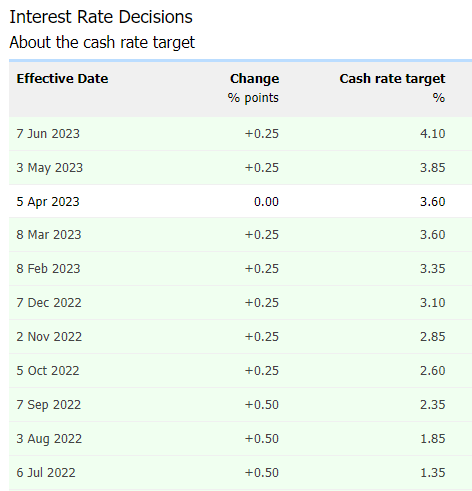
At the June meeting, the RBA raised the cash rate by 25 bps to 4.10%, a decision that once again came as a surprise, as the consensus was for no change. The central bank then said that the decision took place even as inflation has passed its peak but is still too high, and it will take time before it is back in the target range.
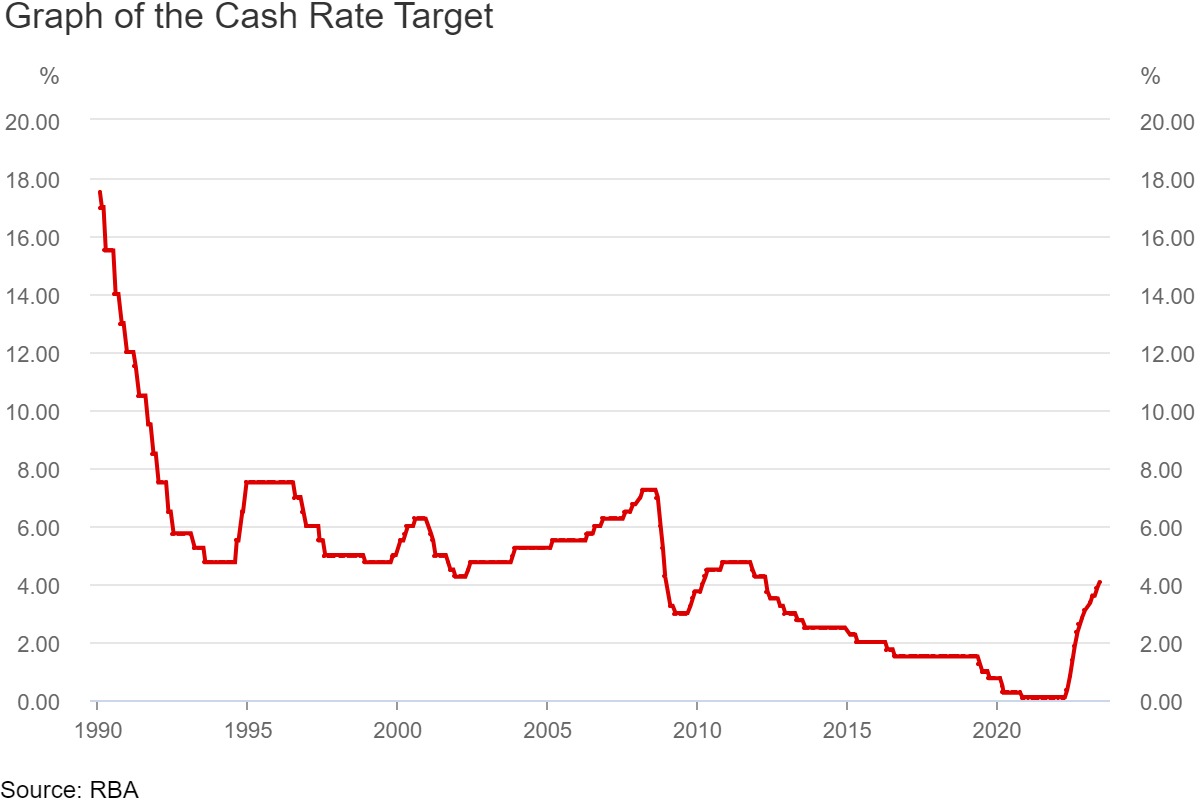
Since the meeting, data has shown a strong labor market, with a gain of 75,900 jobs and the unemployment rate falling to 3.6%. The Monthly Consumer Price Index showed a modest slowdown in the annual rate to 5.6% in May; however, other core measures slowed less significantly to 6.1%. These inflation numbers cooled expectations for another rate hike.
The economic data still allows the RBA to raise rates further, and that is the main argument for a hike. At the same time, the central bank could pause at this meeting and resume the hike cycle later, which is what the interest rate market is indicating.
AUD/USD outlook
If the RBA raises rates, it would be the third increase in a row, and it should benefit the Aussie. However, the impact could be limited as market participants have priced in a still-hawkish stance going forward. The focus of the RBA is set on inflation, and not even weak economic data would change that tone. Governor Lowe warned that some moderate rise in unemployment was likely on the road to bringing inflation back to the 2-3% target.
Even in the case of a hawkish surprise, the move could end up being negative for the Aussie if market participants become concerned about the economy, like what happened with the pound after the Bank of England's 50 basis points rate hike.
The AUD/USD has been moving around 0.6700 since March. In late May, it spiked down to 0.6460 and two weeks later peaked at 0.6900, only to experience a steep decline to the 0.6600 area. The bias is unclear, and the RBA seems unlikely to push the pair away from the current range.
On a wider perspective, a consolidation above 0.6800 needs to be sustained to offer enough evidence that the pair is ready for a more significant move higher. On the contrary, if the Aussie breaks under 0.6600 and stays there for a while, then a test of the May low seems likely.
The dynamics of the AUD/USD are more likely to be driven by the US Dollar and risk sentiment, as well as commodity prices that have offered signs of bottoming. A rebound would be positive; however, with central banks around the world still raising rates, a recovery seems vulnerable.
-638237478734660187.png)
Author

Matías Salord
FXStreet
Matías started in financial markets in 2008, after graduating in Economics. He was trained in chart analysis and then became an educator. He also studied Journalism. He started writing analyses for specialized websites before joining FXStreet.