Research Euro Area: Tide is slowly turning for European manufacturing
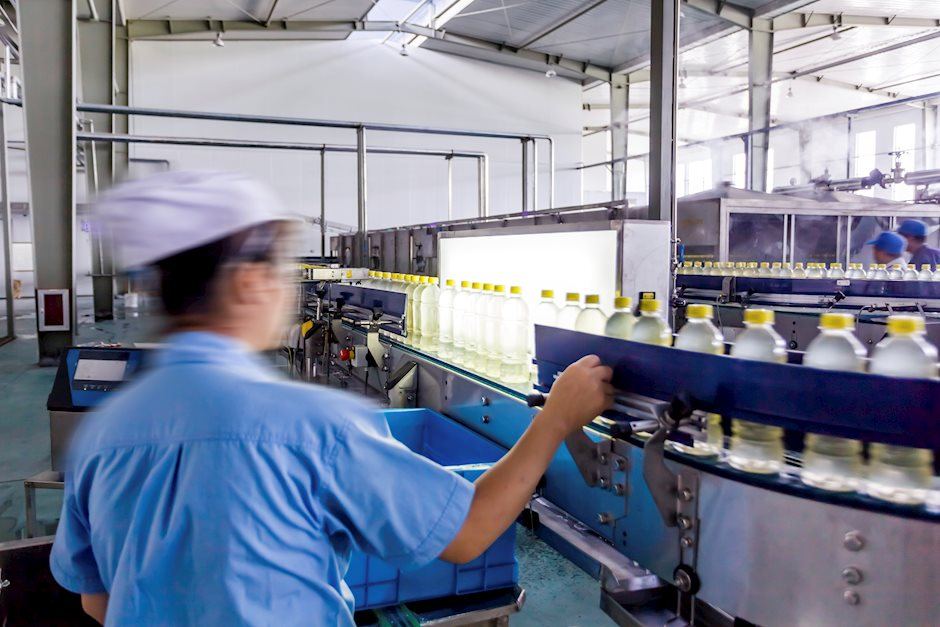

The global manufacturing cycle is peaking in Q3. We see scope for Europe’s manufacturing boom to extend into H2 21, with the turn of the cycle slightly lagging China and the US. That said, we do not think that the European manufacturing cycle can escape abating global momentum for long.
Although we look for less tailwind from the manufacturing sector, we do not expect it to become an outright drag on euro area growth in 2021 and 2022.
Manufacturing reliance turns from curse to blessing
While its lackluster industry performance weighed down euro area growth in 2018- 19, a strong rebound in manufacturing activity during 2021 helped the euro area economy weather the COVID-19 pandemic better than feared. However, after the manufacturing engine has been running hot this year, we expect the global manufacturing cycle to start to peak during Q3 as some of the strong tailwinds behind the boom are about to fade. What implications will this slowdown have for the euro area economy?
Overall, we see the potential for Europe’s manufacturing boom to extend into H2 21, with the turn of the cycle slightly lagging China and the US. While supply bottlenecks on input materials will likely hamper production in the near term, full order books and inventory rebuilding leave scope for continuing high activity levels in our view. Furthermore, in contrast to the US, European goods consumption has not been as elevated during the pandemic, due to the longer and stricter lockdowns. This leaves more room for pent-up demand to boost both goods and services consumption over the summer and autumn. PMI order-inventory balances in the euro area have yet to show signs of peaking and actual business investments continue to lag investment goods orders, leaving upside potential for CapEx activity. Money from the Next Generation EU recovery fund will finally start flowing in H2 21 and we expect it to have a positive impact on public and private investments from 2022 onwards (see Research Euro Area - Decoding Europe's recovery plans, 17 May 2021). Ensuring investments in infrastructure and new equipment might in turn also boost construction and capital goods production in Europe.
Germany’s manufacturing sector plays an outsized role in determining the fortunes of European industry. German manufacturing has been firing on all cylinders during 2021, not least thanks to a strong rebound in the car sector which accounts for nearly a quarter of GVA. Stronger foreign demand (notably from China), excess consumer savings accumulated during the pandemic, and attractive subsidy schemes have boosted European car sales in recent months, not least for new electric vehicle models. That said, we expect this tailwind increasingly to fade in H2 21. While low inventory levels should still keep production levels high in the coming months, export and business expectations have recently become more clouded. Equipment and material shortages (especially semiconductors) should also contribute to the slowdown. That said, the long-term growth prospects of the car sector remain crucially dependent on the success of revamping its business model from combustion engines to electrically chargeable vehicles.
Although we look for continued strong performance in the short-term, we do not think that the European manufacturing cycle can escape the abating global momentum for long. Waning external demand from key export markets such as the US and China will eventually leave their mark on order books and production levels. Leading indicators such as money growth and our MacroScope signals also suggest that a slowdown is on the horizon. While Europe’s manufacturing reliance has turned from a curse to a blessing during 2020-21, we expect the euro area growth prospects to become increasingly reliant on domestic demand, with services activity returning as the predominant growth driver during 2021-22. However, although we look for abating momentum in the manufacturing sector, we do not expect it to become an outright drag on growth in 2021 and 2022. A more favorable global trade environment (not least in light of the new US administration’s focus on rebuilding transatlantic trade ties) and a strengthening recovery in emerging markets should still hold a hand under manufacturing activity and exports in our view. Overall, we forecast euro area GDP growth at 4.7% in 2021 and 4.1% in 2022.
Author
Danske Research Team
Danske Bank A/S
Research is part of Danske Bank Markets and operate as Danske Bank's research department. The department monitors financial markets and economic trends of relevance to Danske Bank Markets and its clients.