RBA existential threat to Australian equities and economy
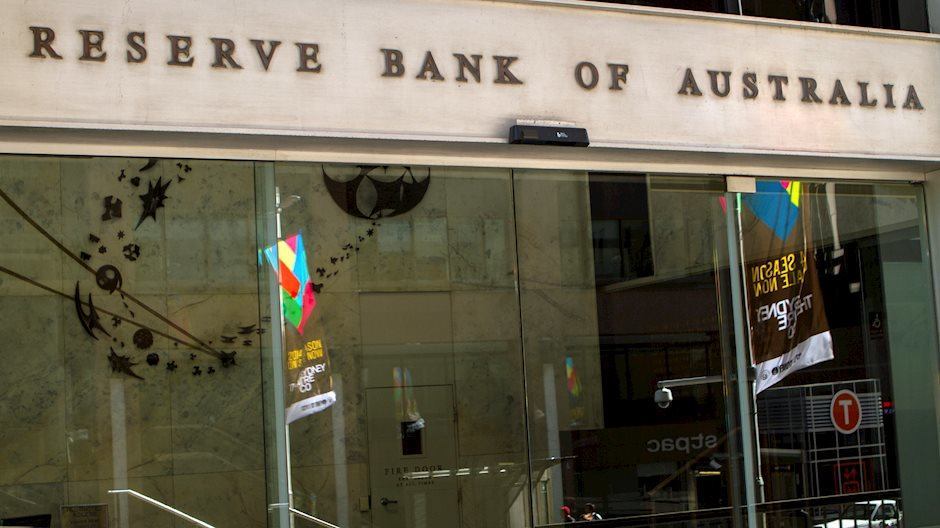

The RBA should raise interest rates at tomorrow's meeting, but is likely to fail us all again.
While commodity prices buoy Australia’s export earnings, serious challenges loom for a probable new Federal Government in May.
We forecast a full year ago, that the Reserve Bank would be asleep at the wheel, incapable of vital decision making as the economy normalised and the global inflation wave began to hit our shores.
We could see it. Why couldn’t the Reserve Bank of Australia?
Governor Lowe, true to his name, continued with substantial attitude to mock forecasts like ours and insist rates would not rise until 2024? Writing a free cheque it seemed for property investors. Many mortgage holders are already beginning to experience stress as food and energy prices rise. The RBA will fail in its promise to the Australian people. Even it will be forced to raise interest rates this year as inflation runs out of control. That outlandish and repeated position of no rate hikes until 2024 should never have been made in the first place.
The great distortions to the Australian economy and peoples lives that is being brought by this RBA Governor and Board is beyond the pale of any reasonable conduct.
So poor has the RBAs performance been, that even the OECD had to issue a special notice recommending an urgent review of the RBA Board and the Bank’s charter. Nothing happened?
This is central banking as bad as it gets. The Reserve Bank of Australia is an international embarrassment and yet in Australia, nothing is done, largely because it is a mates club at the top.
THE BIGGEST CHALLENGE the incoming Albanese government will face in May is the rising cost of living. The current Morrisson government acknowledged the issue, and handed out how to vote temporary cash cheque’s. Hardly structural reform at its finest.
While the Ukraine conflict is generating a secondary wave of inflation, which central banks can do little about, the primary wave of global supply chain interruption and corporate profiteering on back of that has been with us for two years now. The RBA sat on its hands and enjoyed their highest central bank salaries in the world while the economy returned to normal and the coming inflation wave was incredibly obvious to a year 11 economics student.
The RBA sat at historic crisis settings when there was no longer a crisis but an inflation threat?
Why does our nation, why do hard working Australians have to pay these people sky high salaries to so badly mismanage their responsibilities.
THE NUMBER ONE STRUCTURAL REFORM, quick and decisive, the Albanese government must take to correctly manage interest rates and fight inflation has to be to immediately remove the full board of the RBA and set the organisation on a revolutionary path toward sound economic stewardship of the country.
We certainly do not have it at the moment.
The longer the incoming government delays, the further the deterioration in the inflation outlook that will in the end bring the domestic economy to its knees. Regardless of strong export earnings from higher commodity prices.
We have to work harder within the nation to undertake long overdue structural reform.
I have continued to forecast an ALP win, having previously correctly forecast the Trump, Morrisson and Biden victories, this seems one of the more obvious ones. Even the AFR has today commented that some polling has the Morrison government 10% points behind the ALP. While many commentators are looking for the gap to close as we approach Election Day, it is entirely possible for the gap to widen further and deliver a major rejection of the Morrison government.
The ALP should be mindful they will need to deliver for voters in a meaningful way.
The only crisis threat in Australia greater than inflation, is the mismanagement of interest rates, expectations and the economy by the Reserve Bank.
It is indeed time for a change.
Author
Clifford Bennett
Independent Analyst
With over 35 years of economic and market trading experience, Clifford Bennett (aka Big Call Bennett) is an internationally renowned predictor of the global financial markets, earning titles such as the “World’s most a

















