Quick Analysis the VP Debate: Mike Pence and Kamala Harris
- Vice-President Mike Pence and Senator Kamala Harris debate for 90 minutes in Salt Lake City.
- Contest is civilized compared to the Trump-Biden slugfest.
- Candidates, in their one meeting, spend more questions and time on policy differences.
- Next Trump-Biden debate is October 15 in Miami.

Vice-President Mike Pence and Senator Kamala Harris learned the lesson of the first presidential debate, if you are too rude you lose.
While both candidates occasionally interrupted each other, talked beyond their limits and demanded extra time from the moderator, the tenor of the debate and quality of the discussion was considerably more substantive than the rancorous encounter between President Trump and former Vice-President Biden last week in Cleveland.
Susan Page, the moderator from USA Today, was firm though not always successful in enforcing control over speaking time and both Harris and Pence maintained their composure throughout without mugging for the camera.
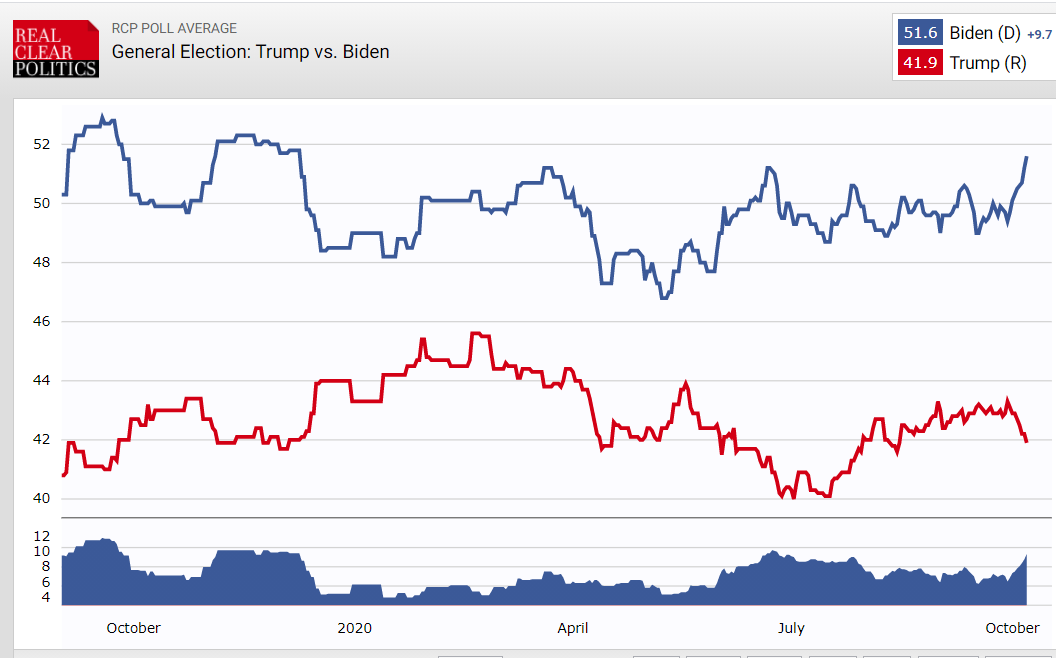
Policy differences
The candidates were given two minutes to respond to Ms Page's questions and those presentations were largely free of interruption and when the speakers addressed questions to each other it was in measured tones. Questions began with the pandemic, moved to the economy, foreign policy and China then race relations, the Supreme Court and the administration's nomination of Amy Coney Barrett.
Most of the responses repeated familiar points from their campaigns. Pence defended the administration's record on the pandemic, citing the closure of travel to China In January which Biden criticized at the time while Ms Harris noted the number of deaths from the virus and asked how that could be considered a success?
On the economy Mr. Pence noted that the Biden promise to repeal the Trump tax cuts on "day one" would raise levies on all Americans. Ms Harris countered by saying that Joe Biden will only raise taxes on those earning more than $400,000 a year.
Environmental policy was another contentious topic. Ms Harris averred that climate change is causing extreme natural events from California wildfires to more numerous and dangerous hurricanes. The Vice-President said that storms were no more common than a century ago. He also said that Harris and Biden have promised repeatedly to ban fracking and that the so-called 'Green New Deal', which Mr. Biden has supported in the past but now disavows and Ms Harris sponsored in the Senate, would devastate the US energy industry and cost many thousands of jobs.
Asked by Ms Page how each hoped their states, California and Indiana, would respond to a reversal of the Supreme Court decision that legalized abortion, both candidates declined to answer directly .
At one point Mr. Pence asked Ms Harris if she or Mr Biden planned to 'pack' the Supreme Court with additional justices if Ms Barrett were approved, a threat that many Democrats have claimed is possible if they regain control of the Senate.
Probably the most telling verdict on the effectiveness of each candidate was the topics they chose to bring up on their own. Mr. Pence attacked the policies of Joe Biden and the Democrats and Ms Harris attacked Donald Trump.
Conclusion and markets
On the whole the debate between Vice-President Mike Pence and Senator Kamala Harris was a far more proper affair than the prize-fight between Trump and Biden. Even the interruptions, of which there were many fewer, were polite. On points Pence scored more often but Harris was adamant in critiquing the Trump administration.
Markets will ignore the content of the discussions and note only that neither candidate caused a catastrophe.
Both campaigns will proclaim victory but the one sure winner was the American political process.
Author

Joseph Trevisani
FXStreet
Joseph Trevisani began his thirty-year career in the financial markets at Credit Suisse in New York and Singapore where he worked for 12 years as an interbank currency trader and trading desk manager.
















