NZD/USD jumps beyond 0.70, up from 0.6948

Markets
Tepid demand at a 30-yr US Bond sale managed to do what the hottest US (core) CPI print since 1991 couldn’t: Push the (very) long end of the US yield curve higher. It turned out to be an interesting trading day yesterday. Headline (0.9% M/M & 5.4% Y/Y) and core (0.9% M/M & 4.5% Y/Y) June US CPI inflation surprised friend and foe and forced analysts to redefine for the umpteenth time this year their definitions of “transitory” and to recalculate “peak” inflation levels. The market reaction was again peculiar. 5%+ inflation prints in the past used to trigger heavy bond and stocks sale. This time around US equities barely noticed the thrill while the US yield curve turned into bear flattening mode. Short term US money markets already discount a first rate hike by December 2022, but the (long) US Treasuries soon recovered from a knee-jerk reaction lower. At current absolute yield levels and with such a CPI reading, we’d still expected more of a bear steepening or at least simultaneous move across the curve. Eventually it turned out to be a matter of time before the (very) long end capitulated. The final act of the US Treasury’s mid-month refinancing operation ($24bn 30-yr bond sale) stopped significantly through the WI bid (2.4 bps) with the lowest bid cover since July 2019. At this long tenor, 2% seems to be a tipping point for investors, especially hours after such inflation reading. Daily changes on the US yields curve eventually ranged from +2.6 bps for the 2-yr to around +5 bps for the 5-yr to 30-yr part of the curve. German yields ended nearly flat on the day, but Bunds did dip lower in lockstep with US Treasuries after the official European close so that effect will show in today’s numbers. The US dollar benefited mostly from higher ST US yields after the CPI print. The trade-weighted dollar (DXY) closed recorded the strongest close (92.75) since early April and test the 92.85 recent high. It’s the final (minor) hurdle ahead of the YTD high at 93.44. The technical picture for EUR/USD is more or less similar: a 1.1776 close (even below the recent low of 1.1782) which brings the YTD low of 1.1704 on the radar. The single currency eventually lost out against sterling as well. EUR/GBP closed at 0.8525 which is the softest since April as well. Ahead of today’s inflation numbers and tomorrow’s labour market reports, EUR/GBP has its eyes on the 0.8471 YTD low as well. Other items on the calendar include US June producer prices, day one of Fed Chair Powell’s semi-annual testimony before US Congress, more Q2 earning results, and the release of the Fed’s Beige Book. We especially look at US publications and expect markets to gradually become more sensitive to the inflation theme again.
News headlines
The ECB is having a meeting today at which it will decide whether to move to an explanatory phase in the creation of a digital euro. President Lagarde expects the committee to give green light for two years of exploration that ultimately could be followed by a virtual euro by the middle of this decade. Aside from being a cleaner and greener alternative that would complement traditional money, a digital euro also has monetary policy consequences as shown in an ECB report last year. It could remove some of the hurdles to cut interest rates further below zero since digital euros can’t easily be hoarded. It would also make helicopter money easier to implement, though the ECB has said before that’s government policy rather than something for the central bank to decide.
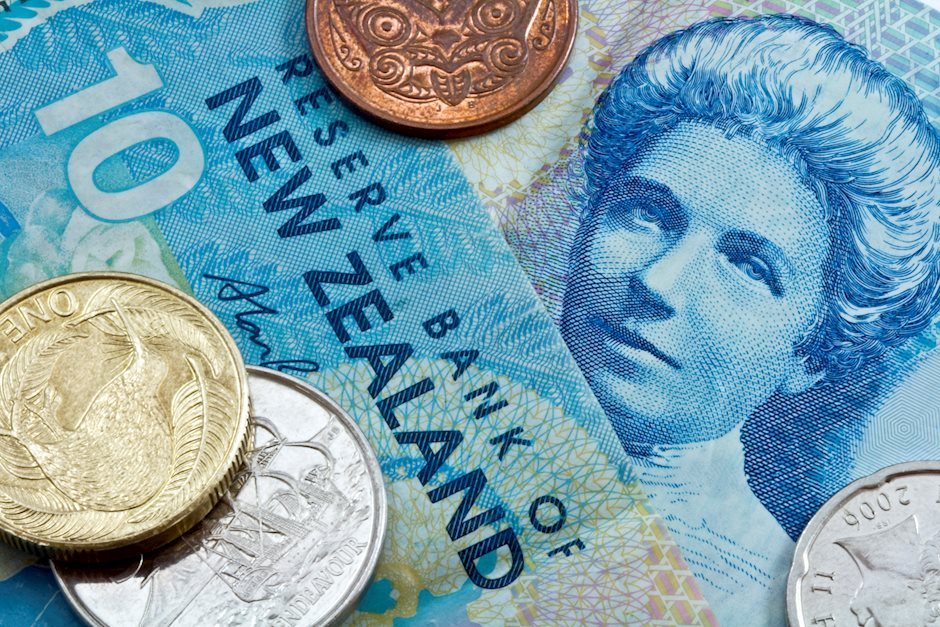
The Reserve Bank of New Zealand hit the QE brakes during the policy meeting this morning. The central bank said it would halt purchases by July 23. Economic conditions since late 2020 have persistently beat expectations. The RBNZ as a result sees more persistent CPI pressures over time due to rising domestic capacity pressures and growing labour shortages. Risks of deflation and high unemployment therefore receded, meaning a “least regrets” policy could be reduced sooner. This marks a great shift with the “considerable time and patience” in the previous statement. The central bank kept the policy rate unchanged at 0.25%. With today’s decision, however, markets en masse brought forward their expectations of a first rate hike to November this year. Kiwi bond rates surged up to 11 bps (short end). NZD/USD jumps beyond 0.70, up from 0.6948.
Author
KBC Market Research Desk
KBC Bank