New Biden tax and spend plan throws gasoline on inflation bonfire
As the Federal Reserve ramps up its rhetoric on rate hikes, precious metals markets continue to consolidate.
Metals markets haven’t been helped by a rising U.S. Dollar Index. Yes, despite the Federal Reserve note losing purchasing power at the most rapid pace in four decades, it is gaining against most major foreign currencies.
A big part of this superficial dollar strength is based on expectations that the Federal Reserve will raise interest rates more aggressively than central banks in Europe and elsewhere.
On Wednesday, the Fed released the minutes from its most recent policy meeting. Officials indicated they wanted to shrink the central bank’s massive bond purchasing program at a faster pace than previously indicated. Some also pushed for larger 50 basis point rate hikes in response to alarming inflation data.
The financial media widely reported the Fed’s monetary policy stance as being “hawkish.” But policy itself remains extremely accommodative.
And the Fed will face immense pressure to continue accommodating the borrowing spending binges on Wall Street and in Washington.
There are very few deficit hawks these days on Capitol Hill. Both establishment Republicans and Democrats regularly vote for budgets that grow government spending beyond the ability of revenues to cover. They haven’t felt any need to change their ways because they have a seemingly unlimited capacity to borrow at artificially low interest rates thanks to the Fed.
But with rates now rising, the costs of government deficit spending are growing.
President Joe Biden is undeterred. Last week, he pushed a massive $5.8 trillion budget proposal. He claims that it won’t increase the deficit or contribute to inflation because he will be raising taxes to pay for it.
Joe Biden wants to impose a "Billionaire Minimum Income Tax," raise the top tax rates on individual and corporate income, raise the top rate on capital gains and dividends, and exact taxes on investors’ unrealized capital gains after they die.
Not even all these new taxes would be enough to pay for the Biden administration’s big spending wish list. Even under the White House’s own fiscal assumptions, the government would still run deficits in excess of $1 trillion.
Trillions of dollars that can’t be extracted from the economy will have to be borrowed into existence out of thin air. That is the root of the inflation problem, as Reason’s Nick Gillespie noted in a recent video:
Joe Biden: My dad had an expression. He said, "Don't tell me what you value. Show me your budget, and I'll tell you what's your value."
Nick Gillespie: So, President Joe Biden has released his budget plan for fiscal 2023. At the very moment, we're experiencing the highest inflation rates in 40 years, and it turns out he values the same sort of government spending that is already sending prices sky high. It's debt-financed spending that spurs inflation in the first place. Rather than cutting spending and reforming entitlements, the government borrows and prints money so it can keep giving goodies to its favorite citizens. You get more dollars chasing the same amount of goods, and that leads to price hikes. Fed chairman, Jerome Powell, has announced a series of interest rate hikes to help tame inflation. But in a recent speech, he made no mention of the increase in the money supply measured by M2, which has risen by a record 41% in two years, or of the Federal Reserve's holding of U.S. debt, which has jumped $3.5 trillion over the same time period.
The Fed finds itself in a tough spot. It may have some room left to maneuver on rate hikes. But it likely won’t ever be able to staunch currency supply growth – the raw material of price inflation and the fuel for government deficit spending.
The dirty little secret in Washington is that inflation functions as a tax. It transfers purchasing power away from wage earners and savers.
At the same time, inflation erodes the real value of debts that have to be paid. And the U.S. government is the biggest debtor of them all with $30 trillion owed officially and tens of trillions more in unfunded liabilities.
The inflation tax is taking a huge bite out of household budgets. The average American family will have to pay $5,000 more this year just to maintain the same lifestyle they enjoyed last year.
Inflation is also eating away at investors’ real returns on financial assets. Bonds and money markets have been yielding negative real returns for years. Now equity market investors are struggling as well to keep pace with inflation.
Many potential alternatives exist for generating inflation-beating returns – from real estate to cryptocurrencies to collectibles. But the most essential asset class to own for inflation protection is physical precious metals.
Gold and silver represent sound money. And sound money, by definition, retains purchasing power over time.
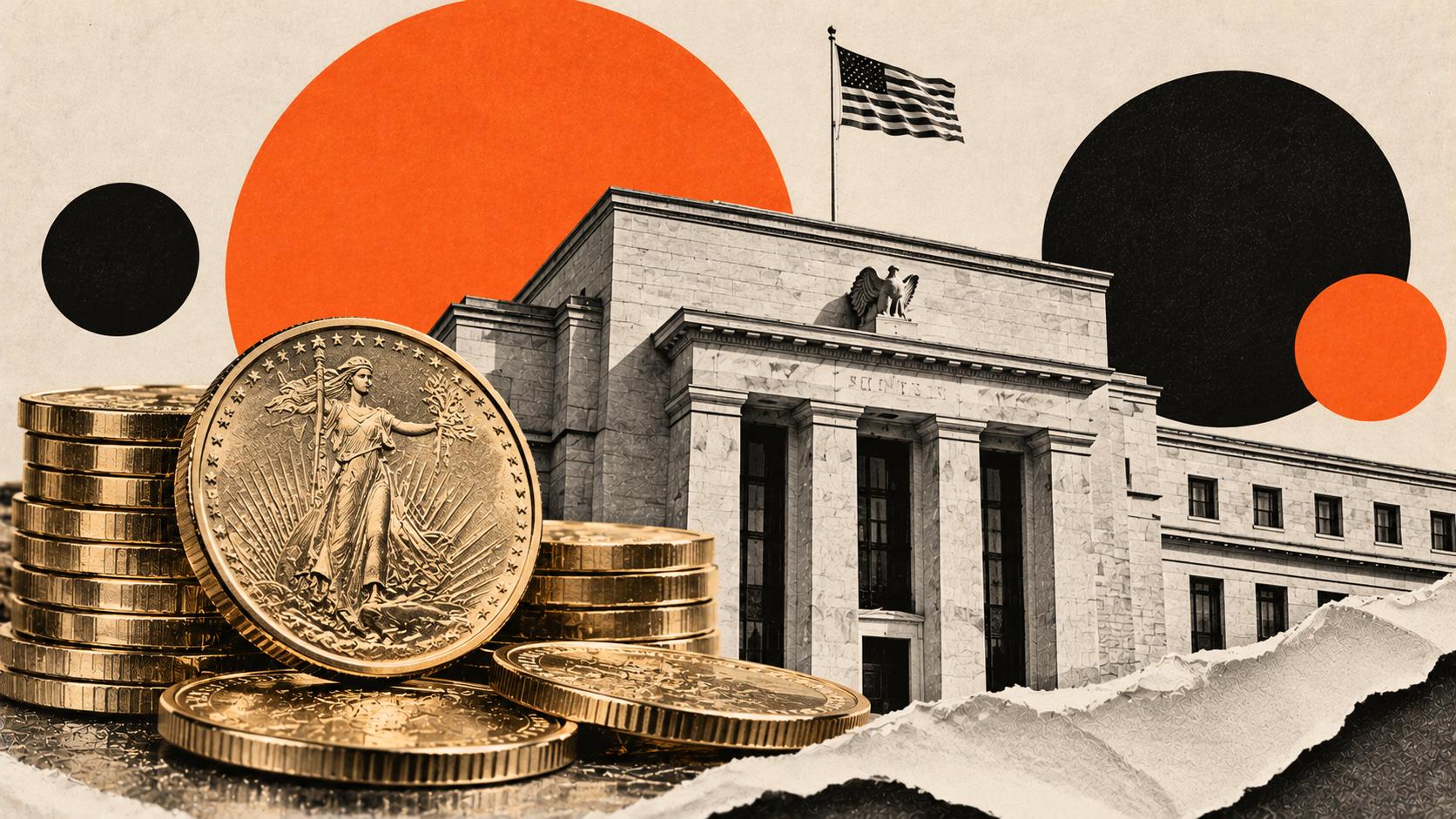
A gold Double Eagle coin minted in the early 1900s was originally worth $20. Today it is worth about $2,000. Tomorrow it might be worth 5,000 U.S. dollars.
It’s not because gold is becoming more precious. It’s because the currency in which gold prices are quoted is becoming less valuable.
That inverse relationship will continue to persist. And as there is no limit to how much currency the Fed can create, there is no ceiling for how high precious metals prices can go in U.S. dollar terms.
To receive free commentary and analysis on the gold and silver markets, click here to be added to the Money Metals news service.
Author

Mike Gleason
Money Metals Exchange
Mike Gleason is a Director with Money Metals Exchange, a national precious metals dealer with over 500,000 customers.