US Michigan Consumer Sentiment March Preview: The post-COVID blues
- Consumer Sentiment Index forecast for small change at 78.5.
- Payrolls were much better than expected in January and February.
- Lingering layoffs may be countered by stimulus optimism.
- Dollar trading on US yields and economic data.

Americans have yet to regain their official optimism. January's burst of consumer spending was not accompanied by an improved outlook and attitudes in February slipped to their lowest reading since August.
The Michigan Consumer Sentiment Index is expected to rise to 78.5 in March from 76.8 in February. Sentiment indexes have not recovered from the fall and winter pandemic wave that locked down California, restarted restrictions in other states and reversed several months of gains in layoffs and hiring.
Employment is the most important ingredient in consumer sentiment.
Payrolls were much stronger than initially reported in January and more than double the expectation for February. The improvement was not evident until the payrolls report on March 5. Analysts estimates for weak March Michigan Consumer Sentiment were based on the prior reading of the labor market.
It remains to be seen if consumers on the job lines in February and March sensed their rising employment prospects.
Nonfarm Payrolls, Initial jobless Claims and Consumer Sentiment
The fall wave of the pandemic crushed the recovering US labor market. Nonfarm payrolls fell from an addition of 336,000 in November to a loss on 227,000 in December (initially -140,000) and January first reported just 49,000 new positions.
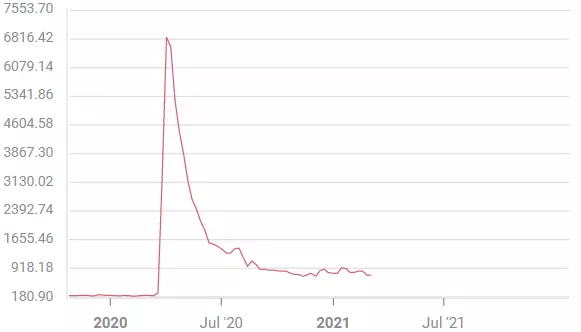
Initial Jobless Claims jumped from 711,000 in the first week of November, the lowest of the pandemic, to 926,000 two months later. The job reversal was immediately reflected in the sentiment scores.
Initial Jobless Claims
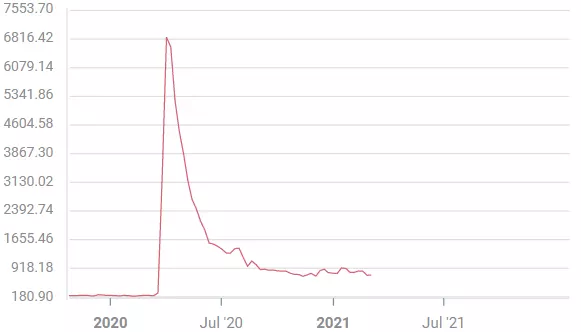
Consumer Sentiment backed from its pandemic high of 81.8 in October to 76.8 in November and remained stalled through February.
The revised payroll numbers for January of 166,000 and February's surprise gain of 379,000, twice the 182,000 consensus forecast, which were the actual job prospects encountered by consumers, did not prompt any improvement in the February sentiment numbers.
FXStreet
Retail Sales, stimulus and the waning of the pandemic
January' wholly unexpected 5.3% burst of Retail Sales is credited by analysts to the December $600 stimulus payment. Sales are forecast to fall 0.4% in February.
Retail Sales
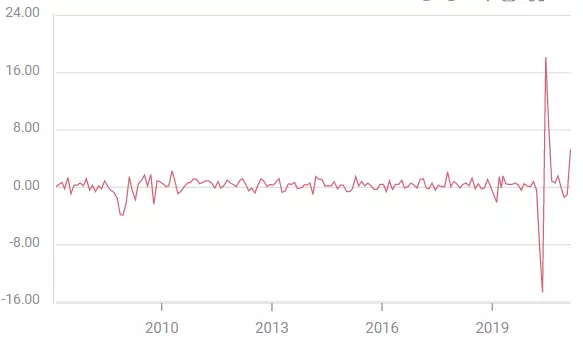
It is, however, at least as likely that the jump in consumption had more to do with the waning of the pandemic, evident in the final weeks of the month, the improving job market and the surety of another much larger stimulus payment in March. These developments and the end of almost all economic restrictions, promise a quickly reviving economy and better times ahead.
Conclusion
Economic turning points are the most difficult to foresee.
January's Retail Sales indicated that where it counts most, in behavior, Americans seem ready to resume their traditional role of avid consumers. After the misery and deferments of the pandemic year, it should not take a great deal of encouragement to bring families back to their normal life.
An improved outlook from Americans is a key component of the US recovery. Treasury yields and the the dollar will rise with consumer optimism.
To paraphrase, Happy Consumer, Happy Economy.
Author

Joseph Trevisani
FXStreet
Joseph Trevisani began his thirty-year career in the financial markets at Credit Suisse in New York and Singapore where he worked for 12 years as an interbank currency trader and trading desk manager.