Keeping unity in focus: OPEC+ cohesion takes center stage
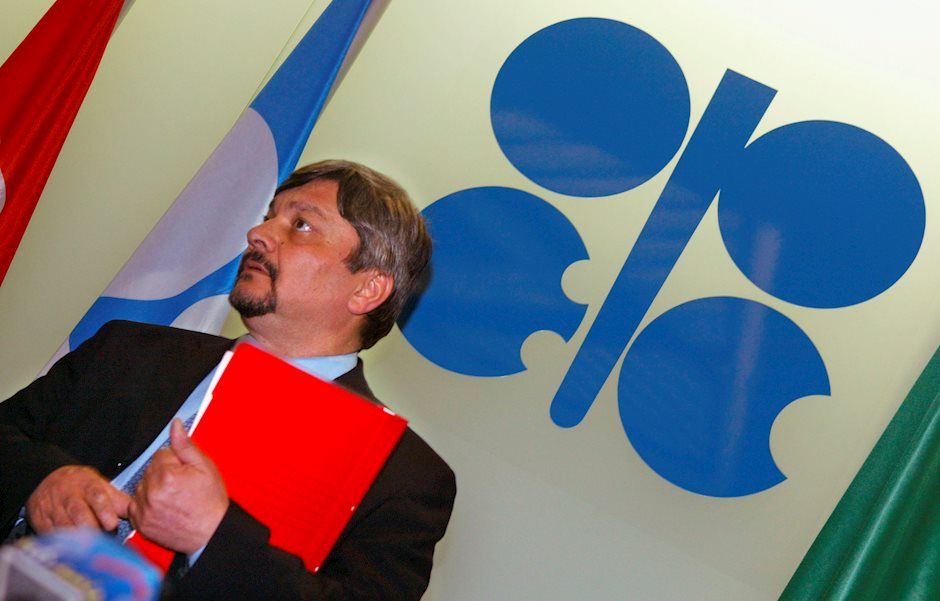

The recent volatility in crude oil prices highlights the commodity's inherent instability. In September, WTI surged to $95 per barrel on global supply concerns, driven by fears that Saudi Arabia and Russia's voluntary cuts and increased demand from China would create a significant market deficit. However, the situation has reversed, with WTI dropping to June lows around $70. The market is now apprehensive about the potential oversupply of oil, driven in part by increasing non-OPEC+ production. Despite OPEC+ extending and deepening production cuts by 2.2 million barrels per day in Q1 2024, concerns about an oil glut persist.
The recent production cuts by OPEC+ have raised concerns in the oil market about the cartel's ability to control supply in the long term effectively. Several factors contribute to this skepticism:
Lack of a Comprehensive Agreement: OPEC+ failed to reach a new comprehensive agreement at its last meeting, relying instead on additional voluntary cuts. This inability to secure a more structured deal raises doubts about the group's cohesion.
Saudi Arabia's Burden: Saudi Arabia, a key player in OPEC+, only agreed to maintain its current voluntary cut of 1.0 million barrels per day (mb/d). There are indications that Saudi Arabia might be growing weary of shouldering a significant portion of the production cuts.
Temporary Nature of Cuts: The voluntary cuts agreed upon by some OPEC+ members extend only until the end of Q1, creating uncertainty about the group's commitment to more prolonged measures.
Risk of Quota Breaches: Recent revelations that some large members, including Iraq and the UAE, have breached their production quotas add a new risk to OPEC+'s compliance enforcement.
These factors collectively contribute to market skepticism regarding OPEC+'s capacity to control oil supply dynamics.
Russia and Saudi Arabia have swiftly initiated damage control measures in response to the recent oil market challenges. Riyadh announced early this week that OPEC+ production cuts might extend beyond the initial planned duration of the first quarter of 2024. Simultaneously, Moscow suggested that the cartel could take further action, potentially implementing additional production cuts beyond the already committed reductions. In a joint statement, the two countries called on other OPEC+ members to make production cuts.
However, rather than assuaging concerns, this series of statements seems to have heightened apprehensions about the unity within the cartel. The various comments from Russia and Saudi Arabia have, instead, contributed to the perception that cohesion within OPEC+ is showing signs of strain. The market appears to interpret these statements as indicative of potential discord among member countries, raising questions about the effectiveness of collective efforts to stabilize and manage oil production levels. The situation remains dynamic, and market participants closely monitor developments within the cartel for any indications of a coordinated and unified approach to address challenges in the oil market.
Examining the extensive history of the OPEC cartel, it is understandable why concerns have escalated, given its somewhat inconsistent track record of successfully supporting oil prices and maintaining unity. OPEC+ has proven to be particularly beneficial for Saudi Arabia in recent times, even as it has shouldered the majority of production cuts. While Riyadh diverged from the cartel in 2014 to regain market share and penalize U.S. shale producers and briefly during the early days of the pandemic due to a disagreement with Moscow, OPEC+ has generally succeeded in sustaining higher oil prices over extended periods.
Saudi Arabia has an imperative need to sustain the inflow of government revenues derived from oil. This revenue is essential to finance Saudi Arabia's extensive and multi-year economic diversification program, including ambitious "giga projects." The economic diversification initiative underscores the country's commitment to reducing its dependence on oil income and developing alternative revenue streams. Consequently, the financial imperative to fund these transformative projects may serve as a compelling reason for Saudi Arabia to remain engaged within the OPEC+ framework, seeking stability and higher oil prices.
The likelihood of OPEC+ facing a sudden fracture has increased, though it is still perceived as a relatively remote possibility. Despite this, the oil industry has made numerous downward revisions to price forecasts. Mind you, we are only talking $2-3, not $10 - $20 downgrades.
Regardless of the specifics, the outlook suggests oil prices are poised to experience a rollercoaster over the next year. The potential for fluctuations in response to geopolitical developments, disagreements within OPEC+, and broader economic factors indicates a period of volatility and uncertainty in the oil market. Market participants must closely monitor developments and adapt strategies to navigate the dynamic landscape in the coming year.
Author
Stephen Innes
SPI Asset Management
With more than 25 years of experience, Stephen has a deep-seated knowledge of G10 and Asian currency markets as well as precious metal and oil markets.