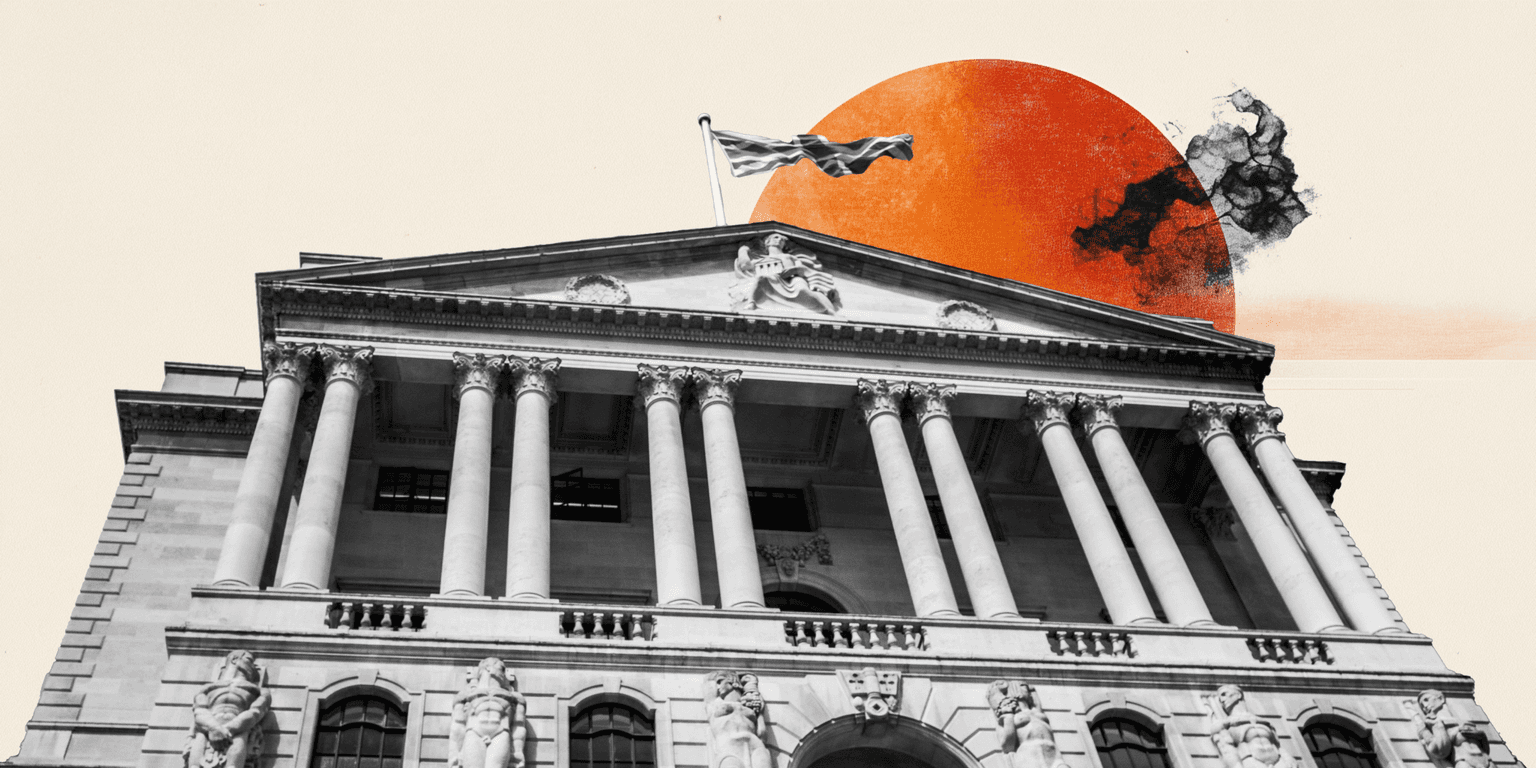
Is the U.S. Economy Veering Toward a Fed-Induced Recession?
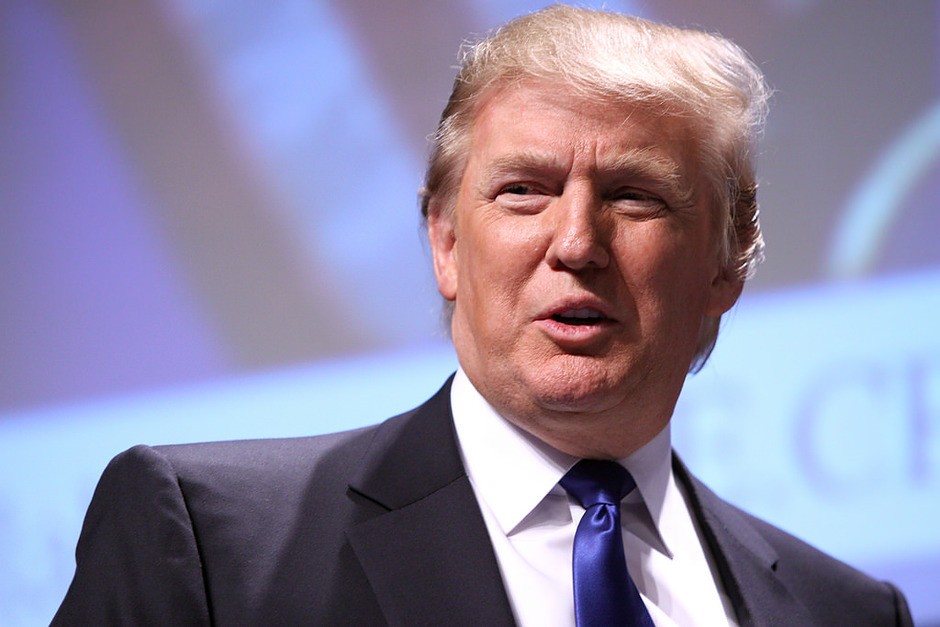

For months, the Trump administration has been touting low unemployment numbers as evidence of a strong underlying economy. But if the economy is so strong, why can’t it take any more interest rate hikes?
White House National Economic Council Director Larry Kudlow insisted on Friday that the economy still “looks very good."
Yet Kudlow conveyed a near panicked concern over interest rates. He called on the Federal Reserve to take the drastic step of an immediate 50 basis point reduction in its benchmark rate.
President Donald Trump’s nominee to the Fed Board of Governors, Stephen Moore, has similarly called for the central bank to start cutting rates.
A recent development that likely alarmed the White House’s economic team is the partial inversion of the yield curve following the Fed’s last meeting. When shorter-term Treasuries yield more than longer-term Treasuries (an inversion), it suggests investors are pessimistic on economic growth. An inverted yield curve often presages a recession.
If the Fed acted immediately to slash short term rates, it could undo the yield curve inversion.
President Trump also wants the Fed to stop reducing its balance sheet, which since the 2008 financial crisis has been loaded up with trillions of dollars in Treasury and mortgage-backed securities.
Fed Chairman Jerome Powell said he wanted to “normalize” rates and shrink the central bank’s balance sheet. But it now seems clear even to Powell that monetary policy will have to continue operating in crisis mode in order to stave off a recession.
Last Wednesday, trends forecaster Gerald Celente issued a “Trend Alert” warning that the Fed “needs to move now” on rate cuts to counteract “weakening U.S. GDP and lower corporate earnings.” In Celente’s view, Fed inaction will lead to a “rapid economic and equity market down spiral.”
Equity market investors seem oblivious to downside risks. But they would be wise to use the recent rally in stocks as an opportunity to convert some of their paper profits into safe havens including physical precious metals.
To receive free commentary and analysis on the gold and silver markets, click here to be added to the Money Metals news service.
Author
Stefan Gleason
Money Metals Exchange
Stefan Gleason is President of Money Metals Exchange, the national precious metals company named 2015 “Dealer of the Year” in the United States by an independent global ratings group.