Is the BoE enabling the UK government’s massive spending plans?
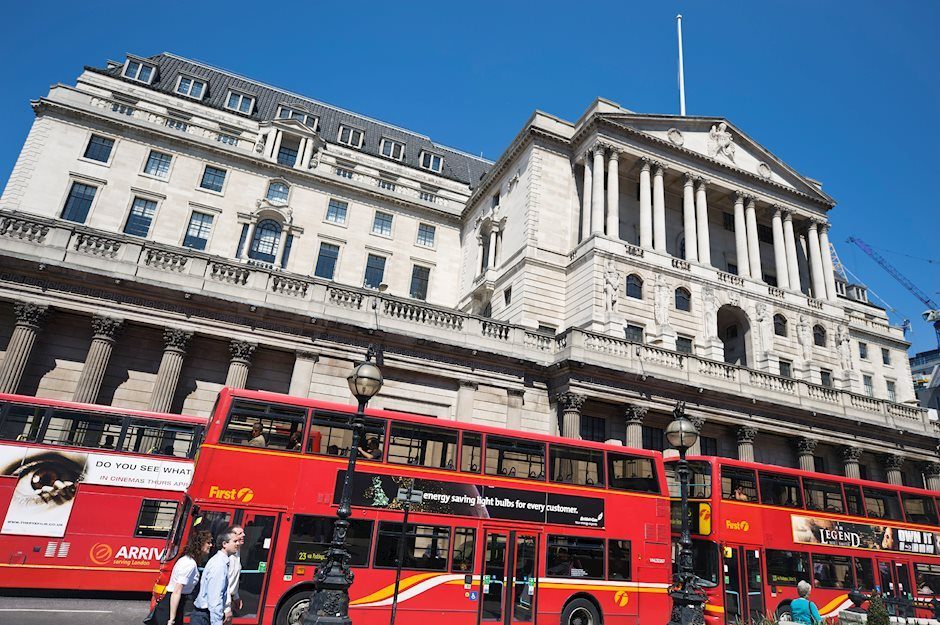

30 September 2022 - The focus once again this week has been centred around the UK, more specifically the UK bond market. The new government has been called into question mere weeks after it was formed as the mini-budget introduced on Friday sent markets into a frenzy.
The 30-year gilt lost almost a quarter of its value between the Bank of England (BoE) meeting on Thursday and the early hours of Wednesday. That’s when Andrew Bailey and his team decided to step in to “restore orderly market conditions” by doing a 180-degree turn on part of its recent monetary policy pledge, halting planned gilt sales and in turn announcing the purchase of long gilts “on whatever scale is necessary”.
Most of the volatility generated in the bond market stemmed from pension funds, which hold large amounts of longer-dated gilts to meet their payout demand. A lot of these funds also hold derivatives on their gilts, and use them as collateral. When yields started to climb after the budget announcement, funds had to unload their gilts to meet margin calls, which then spiralled into a collective sell-off and a further rally in yields.
But the BoE does not want to be seen taking a step back from its monetary policy and so opted to avert an immediate crisis from unfolding by merely pushing back the start of its quantitative tightening until October 31st, and to send the message that it will not accommodatie the UK government’s misuse of fiscal policy. But it won’t matter to markets, they’ve already perceived this move as quantitative easing and are starting to call into question the independence of the BoE.
All of this has of course had a detrimental effect on the Pound. The initial reaction to the UK budget was brutal, with GBP/USD seeing the biggest daily drop since the Brexit referendum back in 2016 and pushing the UK currency into the top spot as the worst performing G10 currency so far this year.
The BoE’s intervention has somewhat helped to soothe fears but concerns remain that the Bank is enabling the government's spending plans. The root problem remains unresolved—the threat of further inflation given the proposed tax cuts.
The path for the Pound remains pretty unstable in the short-term as there is a lack of bullish drivers. In fact, Prime Minister Liz Truss has added further uncertainty by coming out on Thursday and defending the newly introduced budget, saying it is the right path for the UK, ruling out the likelihood of a reversal.
GBP/USD staged a strong rebound after the intervention by the BoE but weakness continues to persist. The direction of the currency pair will also likely be defined by the continuation or easing of the dollar strength. We expect any bullish reversal to be faced with strong resistance if GBP/USD continues down its descending slide.
Author
Daniela Hathorn
Capital.com
Daniela Hathorn is a Market Analyst at Capital.com.