Is Europe going to retaliate?

Geopolitical/trade war
Trump claims he will apply new tariffs on Feb 1 on countries resisting a US takeover of Greenland. He attacked the European countries in NATO for sending troops and really just for free speech. Denmark and seven other European countries hit back with a statement that “tariff threats undermine transatlantic relations and risk a dangerous downward spiral.” The group pledged “to stand united and coordinated in our response.”
This is a double whammy because it’s not just the US against Europe but the US against NATO. Trump claims China and Russia could take over Greenland unless the US gets it, failing to recognize that if either did try, it would be NATO riding to the rescue. He’s not the sharpest knife in the drawer.
Trump perceives Europe as weak, indecisive, slow to respond. TreasSec Bessent came right out and called Europe “weak” on TV. But within 8 months of the April tariffs, Europe has been diversifying with deals with China, LatAN and some Asian countries. Canada made deals with China. Trump is squandering US power. On the economic front, countries are going around Washington instead of to it, knowing full well they will get only rudeness and a stunning absence of education and historical perspective. This is not going to end well.
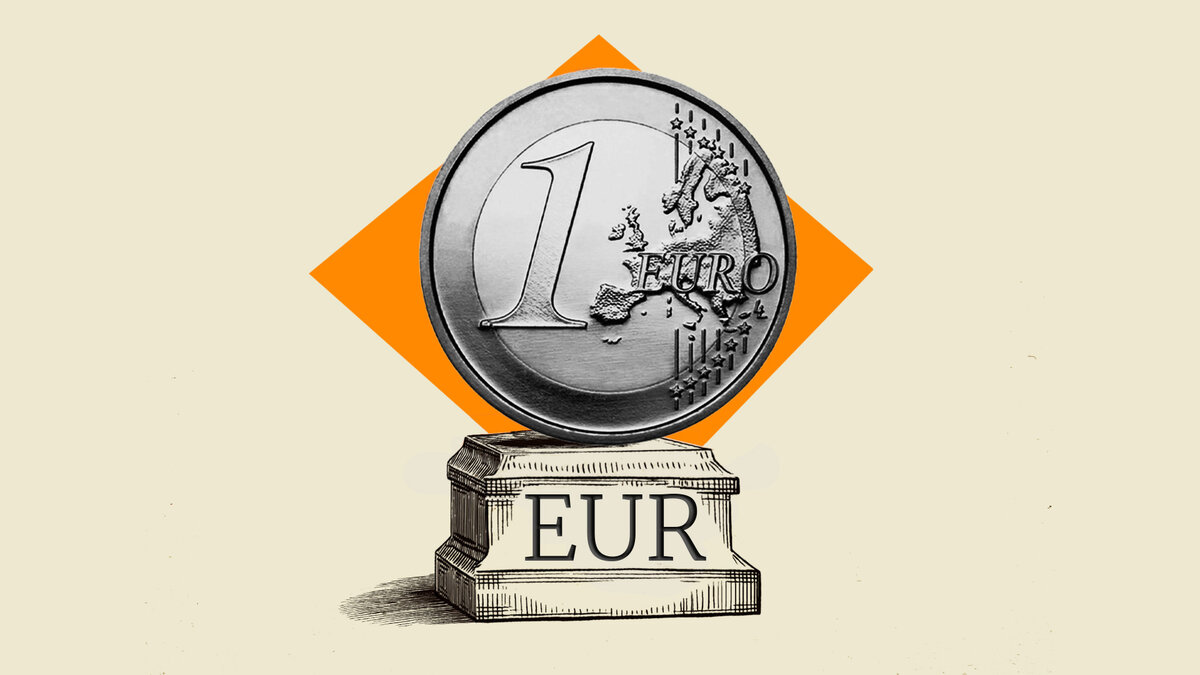
Is Europe going to retaliate? Some say yes, with a freeze on the trade deal between the EU and US last summer. A full 27 EU countries sent ambassadors to Brussels yesterday with one agenda item the activation of “anti-coercion instrument” (nicknamed the bazooka) to impose limitations on US tech companies and/or other service providers with big business in Europe. So, do they have a spine? So far, the FT reports France is all for it.
Bloomberg reports the bazooka would hit €93 billion ($108 billion) of US goods imported into Europe.
Outlook
Another week, another flood of White House vulgarity and bullying, another week of confusing and conflicting data. The important question is whether the Fed sees inflation as real and pressing, or can lean toward cuts because they would help the labor market (and housing). True, the labor market is in some trouble, but as we pointed out before, that’s at the margin (young people, uneducated and untrained people). They are a minority, if a substantial one.
Look at markets for the answer. The CME FedWatch tool shows that for the April meeting, 65.8% see rates the same as today. It was 34.6% a month ago when it looked like the sloppy labor market would rule. Even for the June meeting, those seeing no change in rates are 39.3%, up from only 15.9% a month ago. Those betting on Fed funds futures use a combination of data interpretation and mind reading.
On the mind-reading, the consensus is that Powell and the rest of the Fed voters will not back down and will continue to be data-dependent. Uncertainty just went up over the weekend as budget director Hassett disclosed Trump thinks he should stay where he is.
Meanwhile, the longer end of the yield curve is rising, including the key 10-year all the way to the 30-year. That discloses the inflation premium investors demand for expected future inflation, and consumer surveys can go pound sand. The rise could be partly due to Trump bellicosity, too. When will he declare selective default and refuse to pay interest in bills, notes and bonds held by Europeans?
Another market is sending out inflation distress cries—metals. All metals—precious and industrial alike. Gold, silver, copper, and other metallic commodities. The word commodity itself is a message—bettors see the economy rip roaring, so demand for commodities reflects both expectations of real industrial demand as well as a modicum of safe haven vs. equities and the conventional (gold alone, bitcoin).
This week we could get any number of White House-driven initiatives, including the name of Mr. Powell’s replacement, the Supreme Court decision on whether tariffs were justified under the Emergency Powers Act, something more on Greenland.
And oh yes, the first revisions to Q3 GDP (Thursday) Also on Thursday, personal income and spending, along with the PCE inflation reading. It was 2.8% in Nov and little or no change is expected.
Forecast
The dollar remains being pushed by a robust economy and rising yields, and pulled by loss of confidence in the White House and the US generally for allowing these Trumpian travesties. There’s no doubt the next official reserve report will show another drop in dollar holdings.
At the same time, there’s no doubt that if the new Greenland tariffs and the bazooka measures become real, Europe is the economic loser.
Trump is going to the World Economic Forum in Switzerland this week. He will try to dominate the narrative and it may be interesting to see what pushback he gets from the business and finance bigshots. The WEO gets a lot of headlines but never results in any important change, although we may credit it for support for climate change measures some 20 years ago (one vote among hundreds).
We need to watch the stock market. If it falls off the cliff, it may—maybe, possibly—tamp down Trump to the point of meeting with the EU. Again. This is delay, not resolution, but better than the threatened outcomes.
We see little chance of the dollar getting sold off as the week progresses.
Long, Long Term Forecast: With reference to current political conditions, Martin Luther King: The arc of the moral universe is long, but it bends toward justice.
This is an excerpt from “The Rockefeller Morning Briefing,” which is far larger (about 10 pages). The Briefing has been published every day for over 25 years and represents experienced analysis and insight. The report offers deep background and is not intended to guide FX trading. Rockefeller produces other reports (in spot and futures) for trading purposes.
To get a two-week trial of the full reports plus traders advice for only $3.95. Click here!
Author
Barbara Rockefeller
Rockefeller Treasury Services, Inc.
Experience Before founding Rockefeller Treasury, Barbara worked at Citibank and other banks as a risk manager, new product developer (Cititrend), FX trader, advisor and loan officer. Miss Rockefeller is engaged to perform FX-relat