Iran truce cracks as NATO chief backs US strikes
- Rutte’s backing gives Trump alliance cover, not a NATO war mandate. That distinction matters, but so does the optics.
- Iran has turned the ceasefire from an off-ramp into a tripwire. Once shipping is hit, the politics harden and the market starts watching chokepoints again.
- The oil market may still be conditioned to fade Gulf headlines, but Hormuz risk is the old ghost that never really leaves the room.
- The danger is escalation creep: a chain of “necessary” responses that slowly rebuilds the war premium before traders admit the truce has already cracked.
NATO chief backs US strikes
The Iran truce is no longer a ceasefire. It is a cracked pane of glass still standing in the frame, waiting for the next shock to bring the whole thing down.
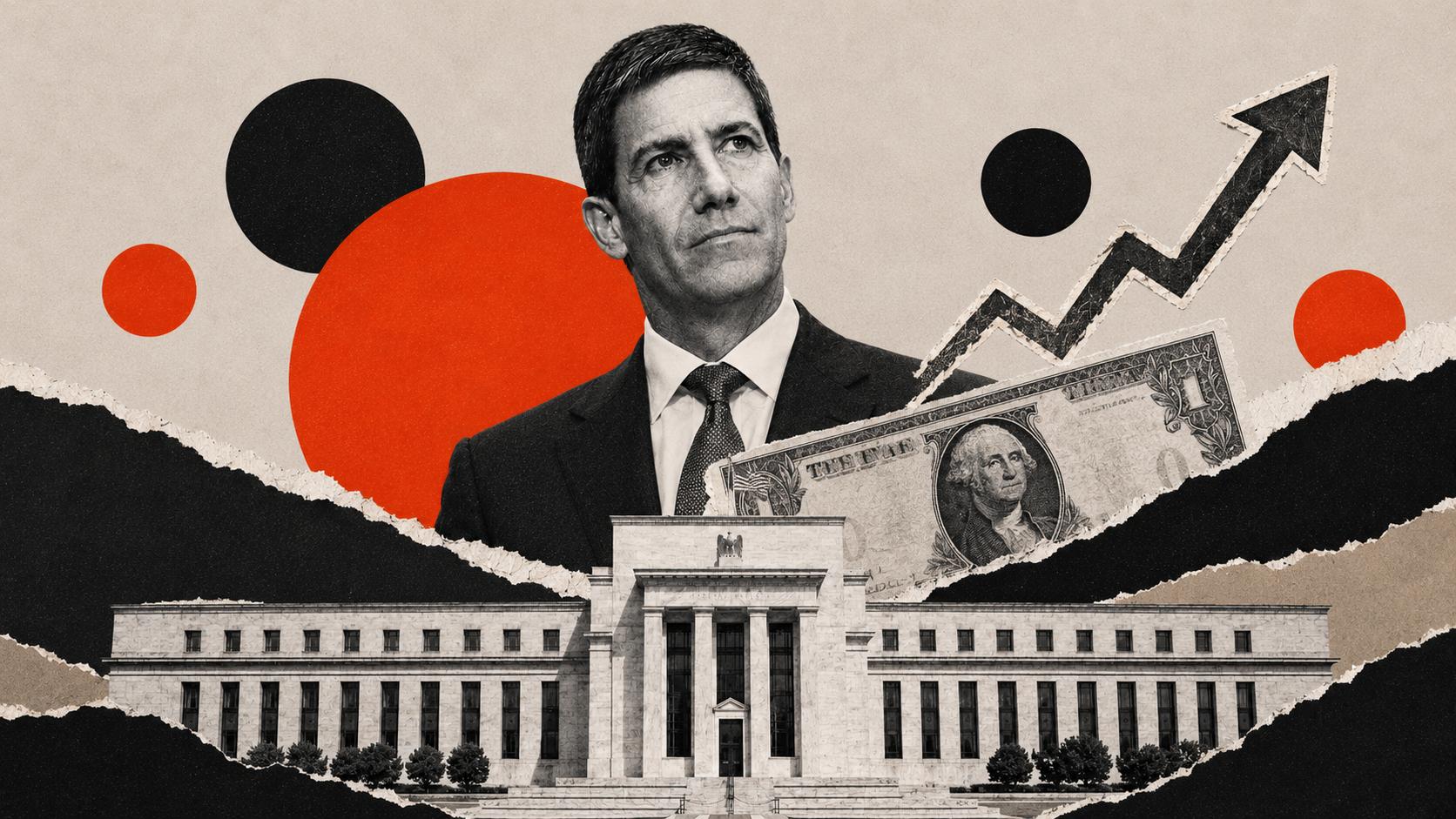
NATO Secretary-General Mark Rutte has now backed the renewed US strikes on Iran as “absolutely necessary,” after Tehran was accused of breaking the memorandum of understanding by attacking international shipping. That line matters because it changes the room. Washington is no longer standing alone at the edge of the Gulf with a smoking barrel and a legal memo. It has the NATO chief saying, in effect, that Iran crossed the line first and the US response was not only justified but required.
That is not the same as NATO marching into an Iran war. Europe still looks like a man invited to a poker game he never wanted to play, checking the exits while pretending to study the cards. But Rutte’s backing gives Trump something markets understand very well: cover. Political cover. Alliance cover. The kind of cover that turns a strike from an isolated decision into the first move in a wider permission structure.
Iran’s answer was swift enough to keep the fuse burning, with drones and missiles aimed toward US-linked targets in Kuwait and Bahrain, while Tehran’s leadership wrapped the response in defiance. Trump has now said the ceasefire is “over.” In market terms, that is not just a quote. It is the sound of a door slamming behind the de-escalation trade.
The Gulf has a way of lulling traders into complacency. Oil spikes, the market fades it, ships keep moving, and everyone decides the inflation dragon has gone back to sleep. But the Strait of Hormuz is not just another geopolitical headline. It is the narrow hallway through which a large part of the world’s energy still has to pass. When tankers become bargaining chips, the oil market stops reading communiques and starts counting chokepoints.
That is why this moment feels different from the usual Middle East headline churn. The US can live with insults, bargain around rhetoric, and absorb a fair amount of theatrical defiance. But attacks on naval assets and international shipping are different. They move the fight out of the diplomatic salon and into the arteries of global trade. Once those arteries are squeezed, Washington’s response becomes less a matter of choice and more a matter of mechanics.
Rutte’s role is to keep the NATO tent from tearing in the wind. Trump wants burden sharing. Europe wants the US security umbrella without being dragged into every storm that forms under it. So Rutte is stitching in public, praising US commitment, nudging Europe and Canada toward higher defence spending, and now backing the US response to Iran. It is alliance management with one eye on Moscow, one eye on Tehran, and both hands trying to keep Trump inside the tent.
For markets, the implication is cleaner than the diplomacy. The ceasefire has lost its innocence. What was meant to be an off-ramp now looks like a tripwire. Iran tested it. The US fired back. NATO’s top official blessed the response. That does not mean all-out war is the base case, but it does mean the market can no longer price this as a contained diplomatic wobble.
The risk now is escalation by inches. Not a single thunderclap that announces a new war, but a series of “necessary” responses, each one defensible on its own, each one pushing the region closer to the edge. That is how war premiums are rebuilt. Not always with a trumpet blast. Sometimes with a tanker strike, a drone launch, a press conference, and a market that realizes too late that the fuse was never actually put out.
Author

Stephen Innes
SPI Asset Management
With more than 25 years of experience, Stephen has a deep-seated knowledge of G10 and Asian currency markets as well as precious metal and oil markets.