Industrial Production Slips in November
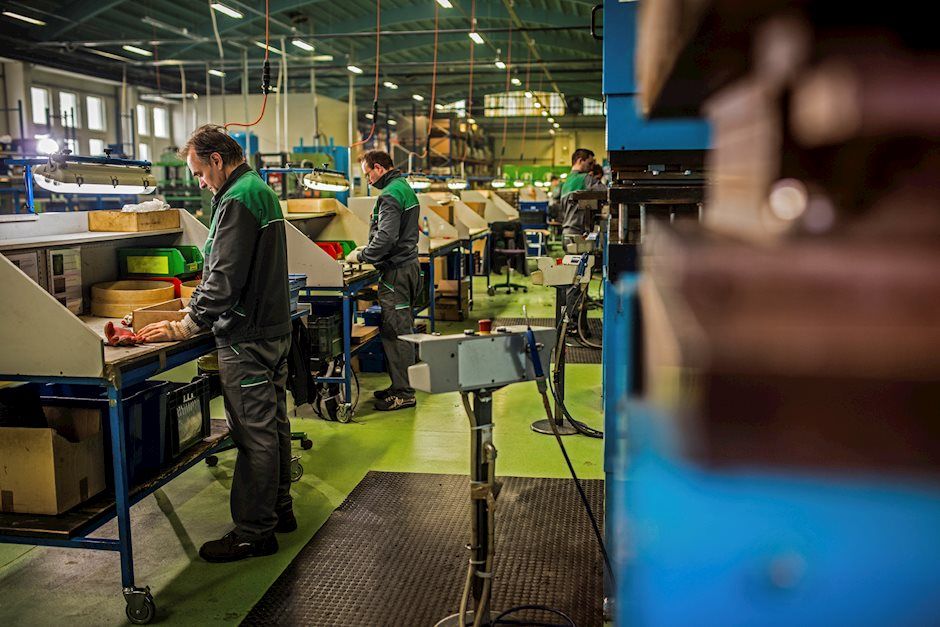

Industrial production fell 0.4 percent in November, with most of the drop due to warmer weather, which reduced utility use. Manufacturing output also fell, however, but mining posted another strong gain.
Thank Goodness the Polar Vortex Has Finally Arrived!
Utilities are likely cheering the arrival of colder weather in recent days. This fall has seen milder-than-usual temperatures across much of the country, which has caused output of utilities to plummet during the past three months. Industrial production at utilities plunged 4.4 percent in November, following a 2.8 percent drop in October and 2.7 percent decline in September. Utility output has plummeted at a 33.3 percent annual rate over the past three months and is down 1.9 percent year-to-year. The drop is almost entirely weather related, and the return of more typical weather in December should cause output to bounce back in the coming months.
Industrial production also declined in the factory sector, however, marking the first decline in manufacturing output in three months. Most of November’s drop resulted from a 2.3 percent decline in automotive output. Excluding motor vehicles, manufacturing output rose 0.2 percent and gains from the prior two months were also revised a bit higher. Gains from the manufacturing sector actually look a bit encouraging and much of the leading data from the factory sector, including the ISM manufacturers’ survey and regional Fed reports, suggest manufacturing output is gaining a bit of momentum.
Steel production was a notable bright spot. Industrial production in primary metals rose 2.3 percent in November following several months of declines. Output of building materials also posted a slight gain, with production of construction supplies rising 0.7 percent in November. Production of wood products rose 0.9 percent and is up 1.7 percent year-toyear. Output of food products also rose solidly during the month and the textile industry continued its recent improving trend, with output climbing 0.1 percent in November and 1.7 percent over the past year.
The mining sector was the real standout in November, with output climbing 1.1 percent following a 1.9 percent gain in October. The rise mostly reflects increases in oil drilling. Firmer oil prices and more effective production methods have led to a revival in oil production, with some of the strongest gains coming in West Texas. Manufacturing of petroleum and coal products jumped 3.3 percent in November, which largely reflects refining and processing. Output of chemicals and plastics and rubber products both declined in November and are both down year-to-year.
Overall capacity utilization fell 0.4 percentage points in November to 75.0 percent. Most of that drop was at utilities, however. Capacity utilization in manufacturing fell just 0.1 percentage point to 74.8 percent and capacity utilization in mining rose 1.1 percentage points to 78.2 percent. The low absolute levels of capacity utilization will continue to weigh on capital spending in the new year, although some improvement is likely given expectations for stronger economic growth and firmer oil prices.
Author
Mark Vitner
Wells Fargo
Mark Vitner is a managing director and senior economist at Wells Fargo, responsible for tracking U.S. and regional economic trends.