Impact of new Chinese Silver export regulations overstated
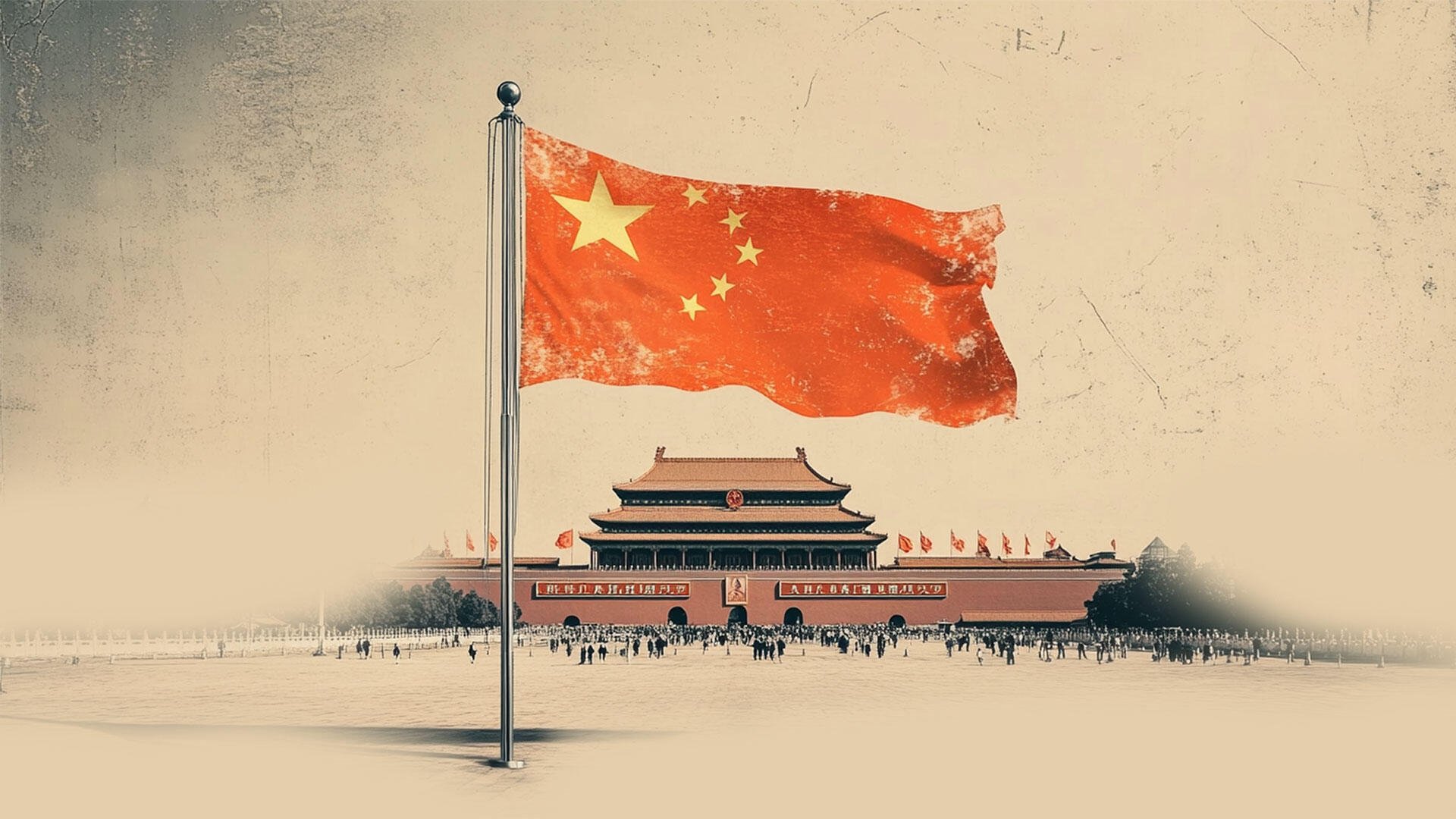
The impact of Chinese silver export rules won’t be as significant as many initially thought.
Last week, I reported that China was attempting to control the silver market using more restrictive export rules and that it could exacerbate global silver shortages. China has used a similar strategy to control the markets for other rare earth metals. However, analysis by Metals Focus reveals that the practical impact of the new rules will likely prove minimal.
As I explained it, under the new policy, only large, licensed, state-approved companies with an annual silver production capacity of 80 tonnes and a credit line exceeding $30 million can legally export silver. When Chinese officials rolled out the rules, which went into effect Jan. 1, many analysts said it would lock hundreds of small and mid-sized exporters out of the system.
However, these analysts failed to realize that the Chinese government was already regulating and licensing silver exports. These small and mid-sized exporters were already locked out of the system. The new rules were essentially tweaks in an existing framework. It's not really an import restriction; it's simply a transition to stricter export licensing management.
The Shanghai team at Metals Focus analyzed the list of approved companies that the Chinese government released as the new rules went into effect. They compared the names on the approved list with the previous version and found that there were only a few changes.
In fact, there are now 44 approved silver exporters for 2026-2027, up from 42 in 2025-2026.
It’s also important to note that China removed export quota restrictions on silver a few years ago.
In a statement, Metals Focus said, “This announcement should have little impact on global silver trade flows or on market tightness. However, there seems to have been a misunderstanding that led to this being interpreted as a positive signal for the price.”
Guilty.
Given China’s history of controlling rare earth metals, it wasn’t unreasonable to think the Chinese government was hoping to apply the strategy for silver. However, the nuts and bolts of the policy shift don’t support this conclusion.
For my part, I simply followed many others who reported the policy change as a new regulatory scheme as opposed to a tweak in an existing system. Mia culpa.
This doesn’t change the underlying realities in the silver market. There still isn’t enough metal to go around – no matter what the Chinese do.
Silver demand has outstripped supply for five straight years. The structural market deficit came in at 148.9 million ounces last year. That drove the four-year market shortfall to 678 million ounces. While the official numbers for 2025 aren’t in yet, the shortfall is expected to push the market deficit over 800 million ounces, the equivalent of an entire year of global silver mine output.
This means silver users must source metal from existing above-ground stocks. People who already hold silver are reluctant to give it up at the current price, which is one of the dynamics driving silver higher.
And of course, there could still be political influence in the silver market, and not just from China. The U.S. Geological Survey recently designated silver a “critical mineral.” The USGS critical mineral list was established in 2017, and it guides federal strategy, investment, and mine permitting decisions.
It’s important to keep an eye on government policy and how it might shape the market, but it’s also important not to overstate the impact of a given policy, especially before all the information is in.
To receive free commentary and analysis on the gold and silver markets, click here to be added to the Money Metals news service.
Author

Mike Maharrey
Money Metals Exchange
Mike Maharrey is a journalist and market analyst for MoneyMetals.com with over a decade of experience in precious metals. He holds a BS in accounting from the University of Kentucky and a BA in journalism from the University of South Florida.