Gold rush in Singapore, chaos in New York

Some weeks pass quietly.
Others scream change.
Last week, the COMEX froze for 11 hours.
This week, Singapore saw queues for silver snaking around a bullion store block.
Different locations, different languages, but the same message: the gold market’s centre of gravity is shifting.
I happened to be in Singapore today when silver punched through another all-time high at $62/oz, and what I saw on the ground shocked me more than the chart.
Queues stretched down the street outside BullionStar, people buying physical metal like the system itself was on a countdown.
You could feel the mood in the air. Something big is happening, and ordinary investors don’t want to be last.
Inside, I held a 400 oz gold bar, the kind typically reserved for central bankers or the late Queen Lizzy.
While traders in New York scrambled over electronic screens, here I was holding something you could actually touch, literally more gold than the entire Canadian central bank. I’m not sure whether to feel guilty, thrilled, or just impressed.
JP Morgan flees west as COMEX stumbles
While Singapore was experiencing a physical metals mania, New York saw the opposite: cracks in the paper market.
Last Thursday, JP Morgan moved its entire gold trading desk (50+ traders and their families) from New York to Singapore. No press release. No gradual transition. Just a leaked internal email demanding everyone be in Asia by the end of the week. At the same time, the COMEX “paper gold” market suffered an unexplained 11-hour trading halt, right as JP Morgan delivered billions of dollars in physical gold, the largest physical movement since 2008.
The contrast could not be clearer: Asia is where metal is being bought. The West is where confidence is being lost.
A contact at BullionStar told me on LinkedIn:
“Silver demand is surging. Some days we’ve sold 3× more silver than gold by value. Nearly 6 tonnes of silver moved through our doors in one week.”
This isn’t speculation. This is a shift in trust.
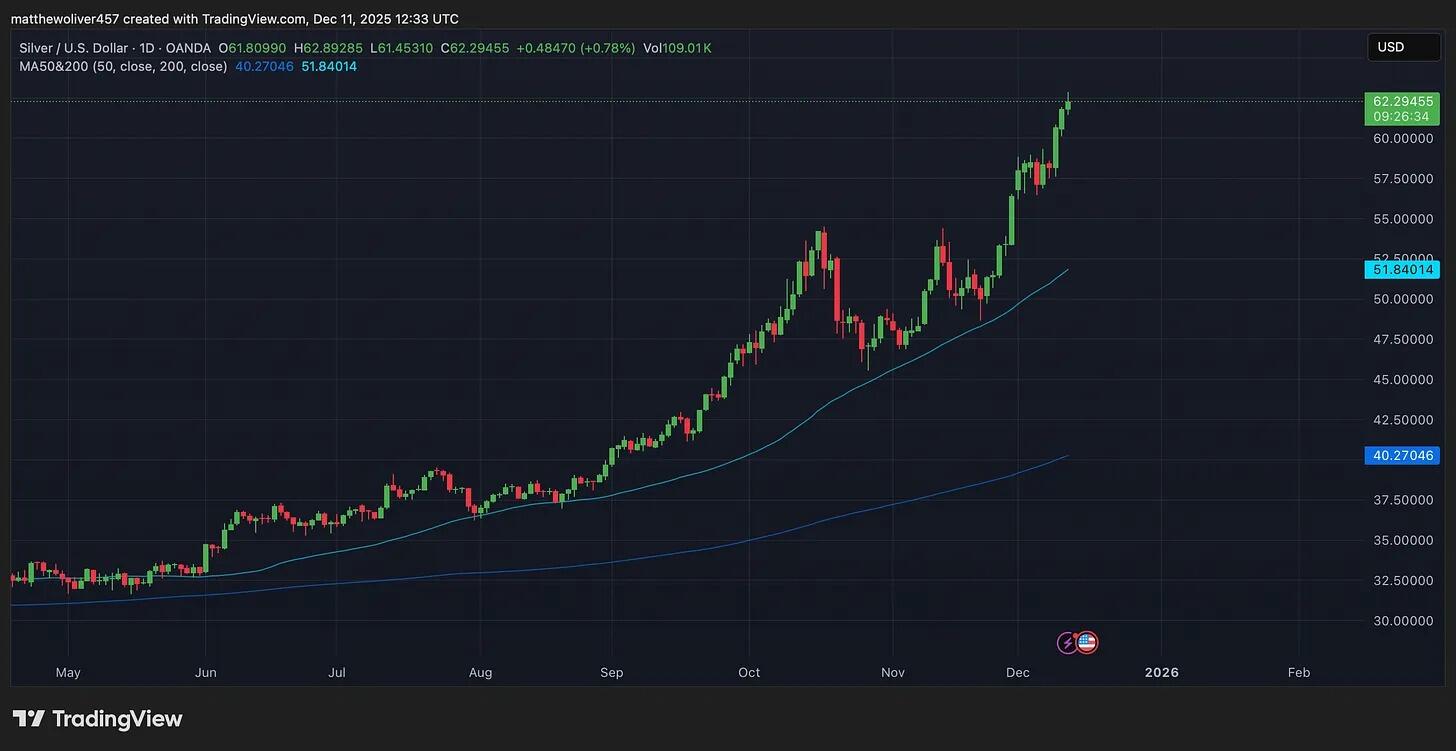
Here are the signals that matter this week:
- JP Morgan’s gold desk relocation: a historic move away from U.S. jurisdiction toward the Asian physical market.
- COMEX freezes for 11 hours during record physical delivery—suggesting structural strain in the Western paper system.
- BRICS nations sold another $93B in U.S. Treasuries—accelerating the global move out of dollar-based assets.
- Singapore is becoming the world’s commodities hub, with no import tariffs on gold and deep ties to China’s Shanghai Gold Exchange.
- Physical silver demand exploding: 6 tonnes sold through BullionStar in 7 days, and queues forming in Singapore.
- Central banks continue record buying, repatriating gold instead of trusting Western custodians.
These are not isolated data points. They’re coordinates, and they form a map pointing East.
For the first time in decades, the balance of power in the gold market is shifting from the paper-based West to the physical-based East. The COMEX and LBMA were built on derivative contracts, leverage, and a pricing mechanism detached from physical supply. China, Singapore, and the broader BRICS bloc are building a system where the price of gold is determined not by algorithms, but by the willingness to hand over real metal.
The West’s strategy of price suppression through paper volume only works as long as people believe the system is backed by actual gold. But when Asia demands real delivery—and gets it—while New York halts trading for half a day, credibility fractures. JP Morgan didn’t move because of “operational efficiency.” They moved because the centre of gravity has shifted.
And this week felt like the first official acknowledgement from the world’s biggest player: The real gold market now lives in Asia.
Gold has always revealed the truth before the headlines do. What happened this week, queues in Singapore, chaos in New York, and JPMorgan fleeing West to East, wasn’t random. It was a signal.
The shift won’t be televised. It will be felt in liquidity flows, central bank behaviour, and eventually… the dollar itself.
Those who prepare early won’t just protect wealth, they’ll be positioned for the system that comes next.
Did you notice any signs of stress or demand in your own market this week? Reply and tell me what you’re seeing. The more perspectives we gather, the clearer the path ahead becomes.
Author

Matt Oliver
Independent Analyst
Precious Metals Analyst managing proprietary trading accounts and a private investment portfolio. I use a blend of macroeconomics, fundamentals, value investing, technicals, and strict risk management.
















