Gold interrupts its downward motion

Dollar steady in the FX market
The USD remained relatively steady in today’s Asian session, yet the upward motion of the past four weeks, despite easing, seems to be still present. Today is to be an easy-going Monday with no major financial releases on the calendar; hence, we expect fundamentals to lead the markets. Also, we highlight the release of the US CPI rates for September on Wednesday as the next big test for the USD in the FX market, with a possibly beyond-expectations acceleration supporting the USD.
Earnings reports coming up
US equity indexes seem to get support on Friday, yet nothing as convincing for the bullish tendencies in US stock markets yet. In the coming days, we highlight the release of the earnings reports by major US banks, and possibly better-than-expected figures could improve the market sentiment and provide some support for US equities, given also the market perception of equities having a riskier nature as an asset.
Oil prices remain stable as the week begins
Oil prices remained relatively stable in today’s Asian session. The news of US President Trump reaching a deal with Russian President Putin, about Russia releasing millions of barrels of oil through an energy sanctions ceasefire does not seem to have instigated a bearish effect on oil prices as could have been expected, at least not yet. The situation for the international oil market remains complex given that the Houthi attack, on a Saudi Arabian airport enhances the possibility of an even wider escalation of tensions in the Middle East.
Other highlights for today
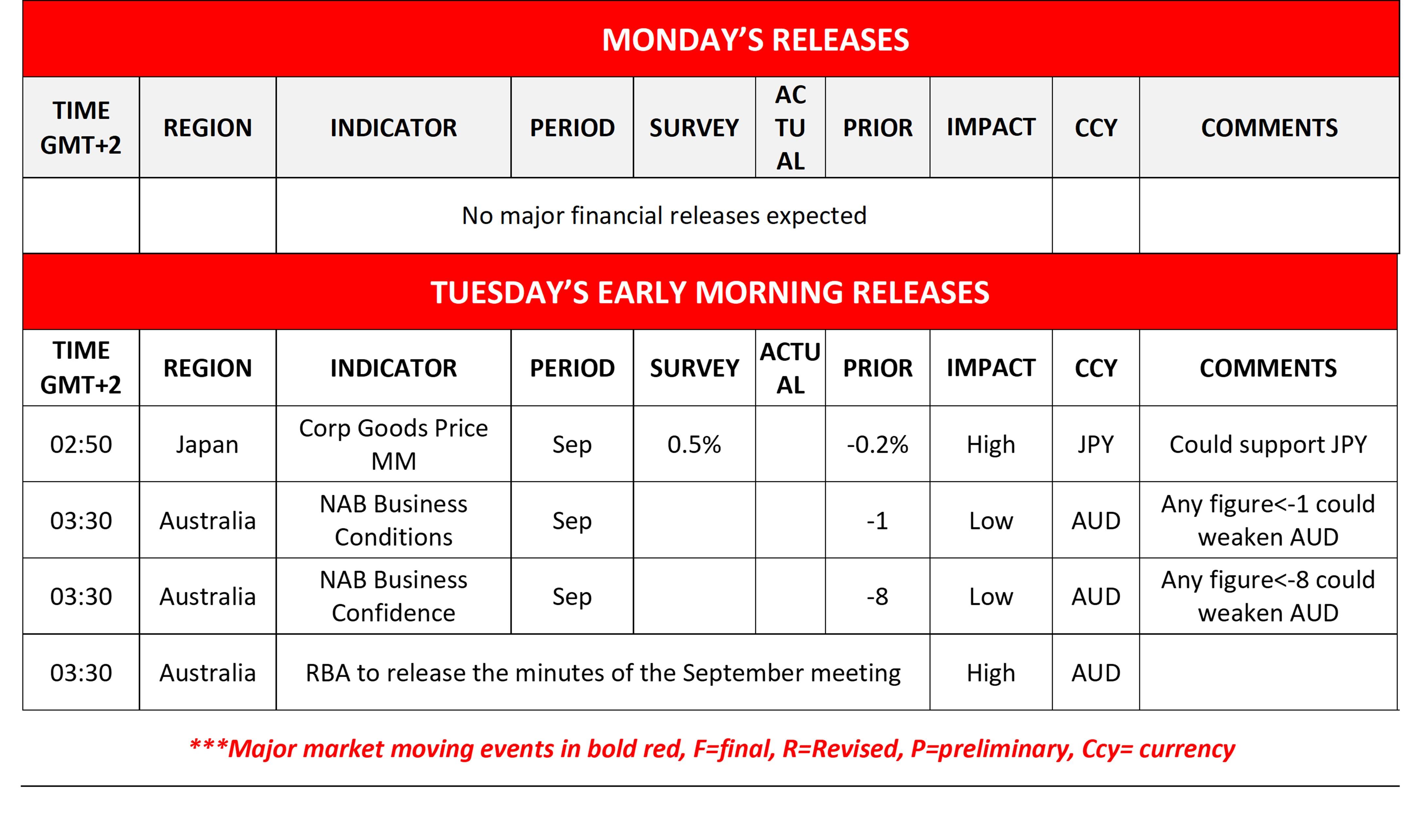
In tomorrow’s Asian session, we get Japan’s corporate goods prices and Australia’s business conditions and business confidence, all for September, while RBA is to release the minutes of the September meeting.
As for the rest of the week
On Wednesday, we get China’s trade and inflation data, Sweden’s CPI Rates and the US CPI rates all for September. On Thursday, we get Japan’s machinery orders for August, Australia’s employment data for September, the UK’s GDP rates and manufacturing orders both for September, the Eurozone's industrial output for August, and from the US we note the release of the weekly initial jobless claims figure, October’s Philly Fed Business index, September’s PPI rates and September’s retail sales. On Friday we get Japan’s Chain store sales, the Eurozone's final HICP rates, and the US industrial production, all for September.
Charts to keep an eye out
XAU/USD edged higher on Friday and remained relatively stable in today’s Asian session. Yet the interesting element of gold’s movement tends to rely exactly on its stability as it seems to have broken the downward trendline guiding it, allowing us to switch our bearish outlook in favour of a sideways motion bias for the time being. Also the RSI indicator has risen nearing the reading of 50, implying an easing of the bearish market sentiment. Should the bears regain control over the direction of gold’s price we may see it breaking 3960 (S1) support line and start aiming for the 3600 (S2) support level. Should the bulls take over, gold’s price may break the 4275 (R1) resistance line and start actively aiming for the 4550 (R2) resistance base.
WTI remained relatively stable on Friday and during today’s Asian session, well between the 87.55 (S1) support line and the 94.30 (R1) resistance level. The RSI indicator runs along the reading of 50 implying a rather indecisive market which in turn could allow the sideways motion to continue. Should the bears take full control over WTI’s price we may see it breaking the 87.55 (S1) clearly and start aiming for the 82.00 (S2) support level. Should the bulls take over, WTI’s price could break the 94.30 (R1) resistance line and opening the way for the 101.00 (R2) resistance level.
Calendar follows
XAU/USD daily chart
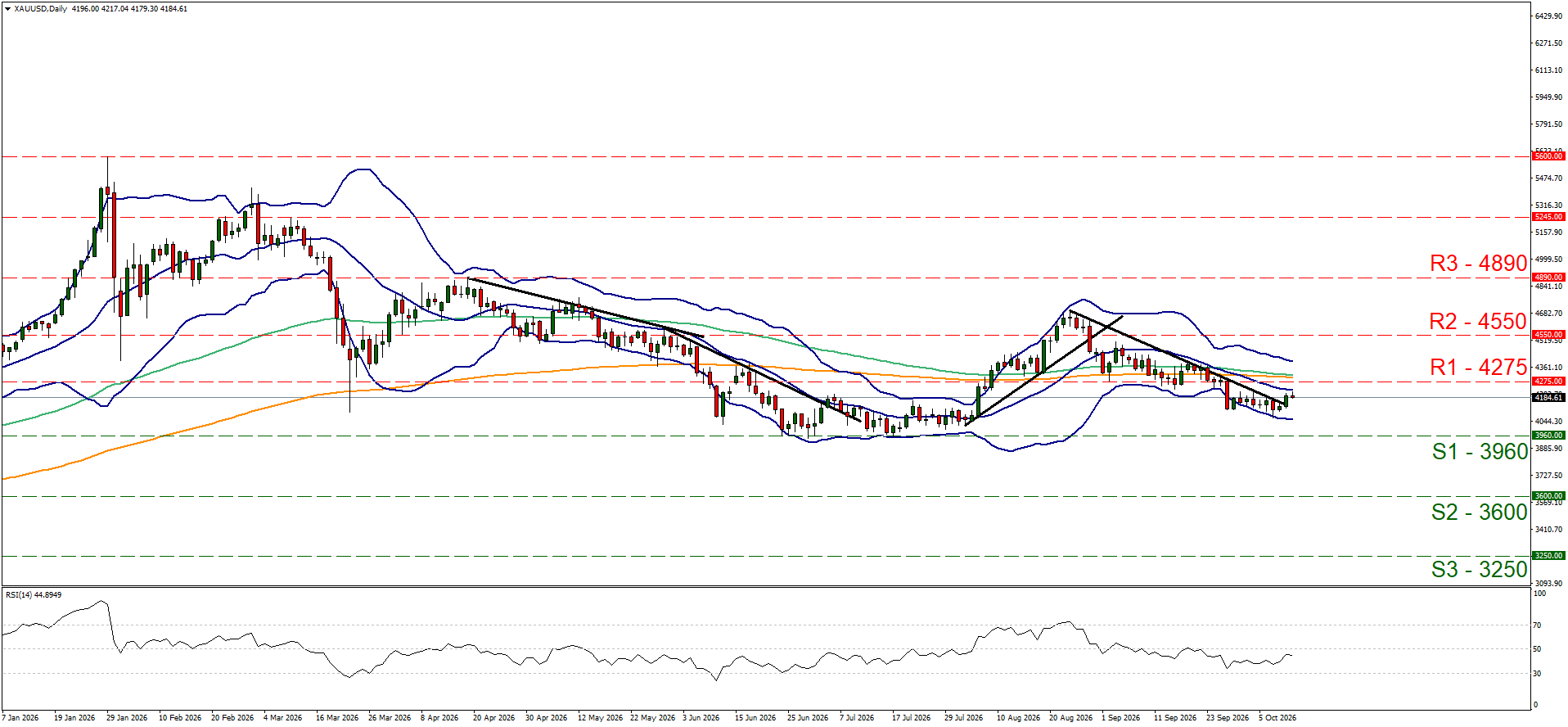
- Support: 3960 (S1), 3600 (S2), 3250 (S3).
- Resistance: 4275 (R1), 4550 (R2), 4890 (R3).
WTI daily chart
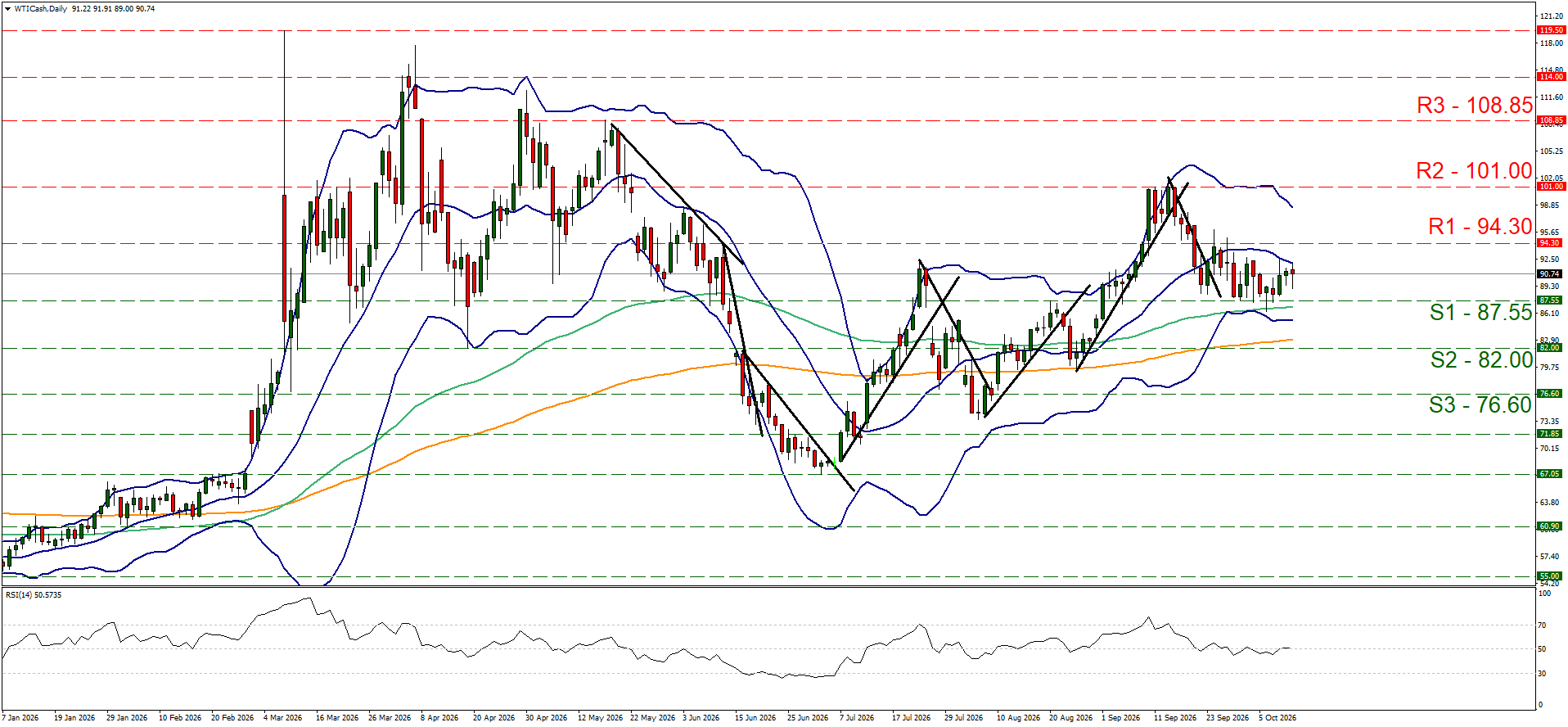
- Support: 87.55 (S1), 82.00 (S2), 76.60 (S3).
- Resistance: 94.30 (R1), 101.00 (R2), 108.85 (R3).
Author

Peter Iosif, ACA, MBA
IronFX
Mr. Iosif joined IronFX in 2017 as part of the sales force. His high level of competence and expertise enabled him to climb up the company ladder quickly and move to the IronFX Strategy team as a Research Analyst. Mr.
















