German economy defies war in the Middle East, for now
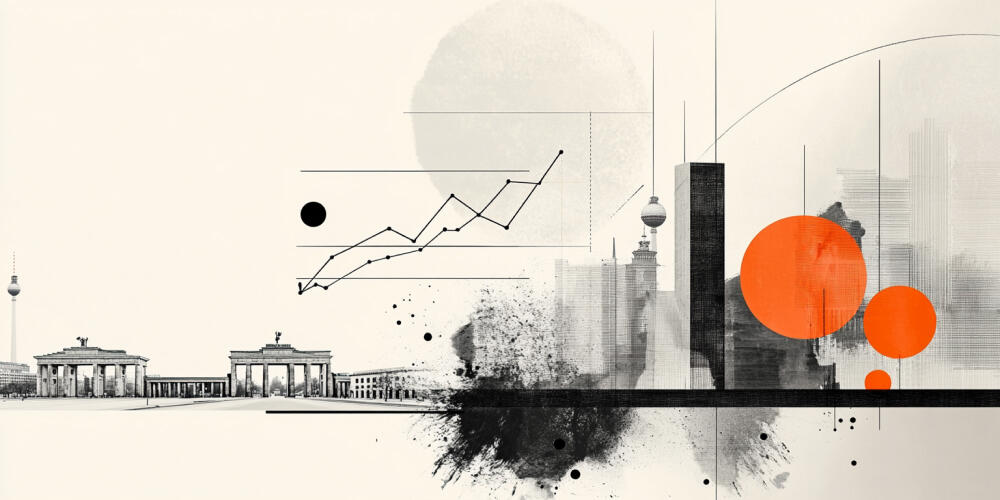
What a surprise. The German economy grew by 0.3% quarter-on-quarter in the first three months of the year, defying the adverse impact of the war in the Middle East, for now at least.
The German economy just surprised with a stunning growth performance in the first quarter. Despite rather disappointing monthly data in January and February, the economy grew by 0.3% quarter-on-quarter, from 0.2% QoQ in the final quarter of 2025. Details will only be released in a few weeks, but according to the statistical office's press release, GDP growth was driven by stronger private and public consumption as well as stronger exports. A note of caution: as this flash estimate does not include any hard data for March, a downward revision of today's data cannot be excluded.
War in the Middle East and soaring energy prices clear risk for near-term outlook
Almost exactly one year after the new German government – under Chancellor Friedrich Merz – came into office, today's data suggests that the German economy is better than its reputation implies.
However, it would be risky to assume that today's performance can simply be continued. The war in the Middle East and soaring energy prices, combined with a lack of structural reform and clear strategy for how to restore competitiveness, do not bode well for Germany's growth outlook. Judging from the latest sentiment indicators, the signs of a recovery on the back of fiscal stimulus, particularly in defence and infrastructure, have started to fade away. Soaring energy prices have again exposed the fact that Germany is one of Europe’s largest net importers of energy. Some 6% of its oil imports come from countries in the Middle East. The so-called energy-intensive industries in Germany account for some 17% of industrial gross value added and employ just under one million people. With the war in the Middle East now gradually shifting from a pure energy price shock towards an energy supply and broader supply chain shock, the German economy is once again at the centre of an exogenous, global, disruption.
Still, even if fears of another year of stagnation have returned, it should be clear that the planned investments in defence and infrastructure are still on track and should support the economy this year and beyond. The fiscal impulse is real, it just needs time to reach the real economy.
German government has to master two challenges at the same time
Talking about fiscal policy, the new energy price crisis has again laid bare cracks in the German government coalition and the difficulty in mastering two challenges at the same time: providing short-term relief from high energy prices and pressing ahead with longer-term structural reforms. Over the last few weeks, the policy debate in Berlin has not just heated up again, tensions within the government coalition have also increased.
As the government enters its second year in office, today’s data should not obscure the need for a reset, one aimed at preventing the economy from slipping back into stagnation and, more importantly, reform paralysis. Even though the war in the Middle East remains a serious obstacle, it is not a reason to abandon the structural optimism that marked the start of the year. If fiscal stimulus for infrastructure and defence is finally paired with long‑overdue reforms to unlock additional fiscal space for investment, alongside targeted corporate tax relief and a clear strategy for affordable, more autonomous energy – in short, a credible plan – then today’s upside surprise could become the new normal.
Author

ING Global Economics Team
ING Economic and Financial Analysis
From Trump to trade, FX to Brexit, ING’s global economists have it covered. Go to ING.com/THINK to stay a step ahead.