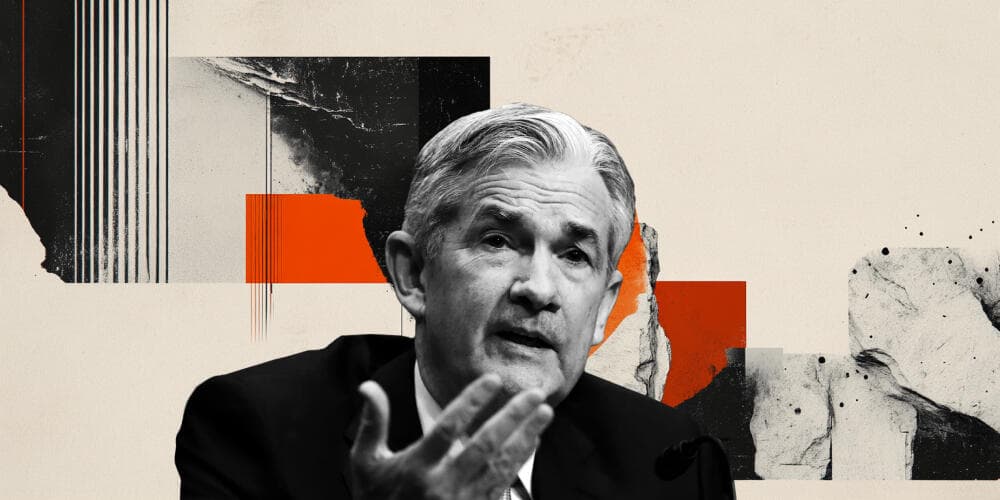
From peacemaker to powerbroker: Trump hijacks NATO with 5% threat and a side of chaos

Trump didn’t arrive in The Hague with a peace offering—he showed up with a live grenade marked “ceasefire” and dared anyone to question the pin. Fresh off brokering a duct-tape truce between Israel and Iran, he promptly torched both sides for backsliding before the ink was dry. Israel’s retaliatory airstrikes got the brunt of his fury—"the biggest load" he’s ever seen, by his own account. Still, Trump clung to the narrative: the ceasefire was “holding,” at least in theory, and he was flying to Europe as the architect of “peace”—even if it was peace by F and B-2 Bombs.
But don’t mistake this for multilateralism. Trump’s NATO appearance is less a summit and more of a showdown. While European leaders spent weeks papering over policy rifts and watering down the final communiqué to avoid bruising his ego, Trump brought his own agenda: defence spending at 5% of GDP and zero tolerance for freeloaders. NATO, in his playbook, is no longer a mutual alliance—it’s a transactional enterprise. If the alliance isn’t buying what he’s selling, he’ll go full rogue. Again.
The optics say diplomacy, but the posture screams power play. Trump sidelined Europe entirely in the run-up to the Iran strikes, brushing off EU attempts at shuttle diplomacy with a blunt “Iran doesn’t want to speak to Europe.” He’s not courting consensus—he’s dictating terms. Even NATO Secretary General Rutte’s praise reads more like a hostage letter than genuine admiration: thank you, Donald, for saving us from ourselves.
As for Ukraine, Zelensky was granted a dinner invite but benched from the main summit—a symbolic gut punch that reflects Trump’s open disdain for expanding NATO’s commitments. While Brussels tries to project unity, Trump is carving out a hierarchy: pay up, fall in line, or get left behind.
In classic Trump fashion, this is less about alliances and more about leverage. He’s not there to build bridges—he’s there to remind everyone who owns the tollbooth.
Author
Stephen Innes
SPI Asset Management
With more than 25 years of experience, Stephen has a deep-seated knowledge of G10 and Asian currency markets as well as precious metal and oil markets.