|

Fragile nerves ahead of tech earnings

Last week was a good one to be away, as things got worryingly ugly on the economic data, earnings and AI fronts.

Mixed bank earnings were overshadowed by a hotter-than-expected CPI report that fuelled hawkish Federal Reserve (Fed) expectations, pushing October rate hike bets to roughly 50% before Warsh’s words pulled them backed below 13%, phew...), while US crude rose above $100 per barrel despite the controversial US decision to ease sanctions on Russian diesel. Meanwhile, a sharp selloff hit Nvidia-backed neocloud provider CoreWeave’s shares and bonds.

Funnily — or disquietingly — the thunder struck as co-founder Brannin McBee discussed securing investment-grade ratings to access what he described as insurers’ “unlimited” capital. That’s not necessarily what investors want to hear from a company pouring cash into infrastructure — and reporting negative free cash flow in the latest quarter. These famous last words certainly didn’t help: the cost of insuring CoreWeave’s debt against default surged to nearly 1’200 basis points, with pricing implying a more than 60% probability of default within five years, under the model’s assumptions. Rough. The stock price tanked nearly 24% last week. 


Read the full article here.

Author

Ipek Ozkardeskaya

Ipek Ozkardeskaya began her financial career in 2010 in the structured products desk of the Swiss Banque Cantonale Vaudoise. She worked in HSBC Private Bank in Geneva in relation to high and ultra-high-net-worth clients.


More from Ipek Ozkardeskaya
Share:

Editor's Picks

AUD/USD climbs toward 0.7000 after strong China data dump

AUD/USD attracts follow-through buyers for the second straight day on Monday, extending last week's recovery toward 0.7000 in Monday's Asian trading. Strong Chniese Q3 GDP and activity data for September strengthen the pair's advance, following RBA Assistant Governor Chris Kent's hawkish remarks.

USD/JPY struggles near 158.00 amid hawkish BoJ, subdued USD

USD/JPY remains defensive near 158.00 in the Asian session on Monday, as the US Dollar remains depressed near a two-week low amid the recent decline in US bond yields. Furthermore, looming intervention risks underpin the Japanese Yen and weigh on the pair amid BoJ Governor Kazuo Ueda's hawkish remarks. However, Fed rate-hike bets and geopolitical uncertainties could limit USD losses and the major.

Gold rangebound as easing October Fed bets clash with firm December hike pricing

Gold attracts some buyers at the start of a new week, though it lacks bullish conviction and remains below the $4,200 mark. US Federal Reserve Chair Kevin Warsh’s unwillingness to provide any cues on further policy moves led to a reduction in odds for policy tightening later this month. Moreover, the recent sharp retracement slide in US government bond yields from multi-year highs, which dragged the US Dollar to a two-week low, acts as a tailwind for the bullion.

Cardano risks 15% downside as retail demand, bullish momentum wane

Cardano (ADA) is trading above $0.2200 at press time on Monday, holding steady after a 12% decline the previous week. The altcoin is losing retail interest as the notional value of active ADA futures positions declines. The technical outlook for ADA suggests a downside bias following the bearish breakout below a near-term support trendline last week.

What to expect in the week ahead
Investors are still digesting last week’s price action as we start a new week. US stocks sold off sharply, with the Swiss and UK indices attracting inflows as tech sold off. Sovereign bonds, particularly Treasuries, rallied and acted as a safe haven as the AI trade suffered another bout of volatility.
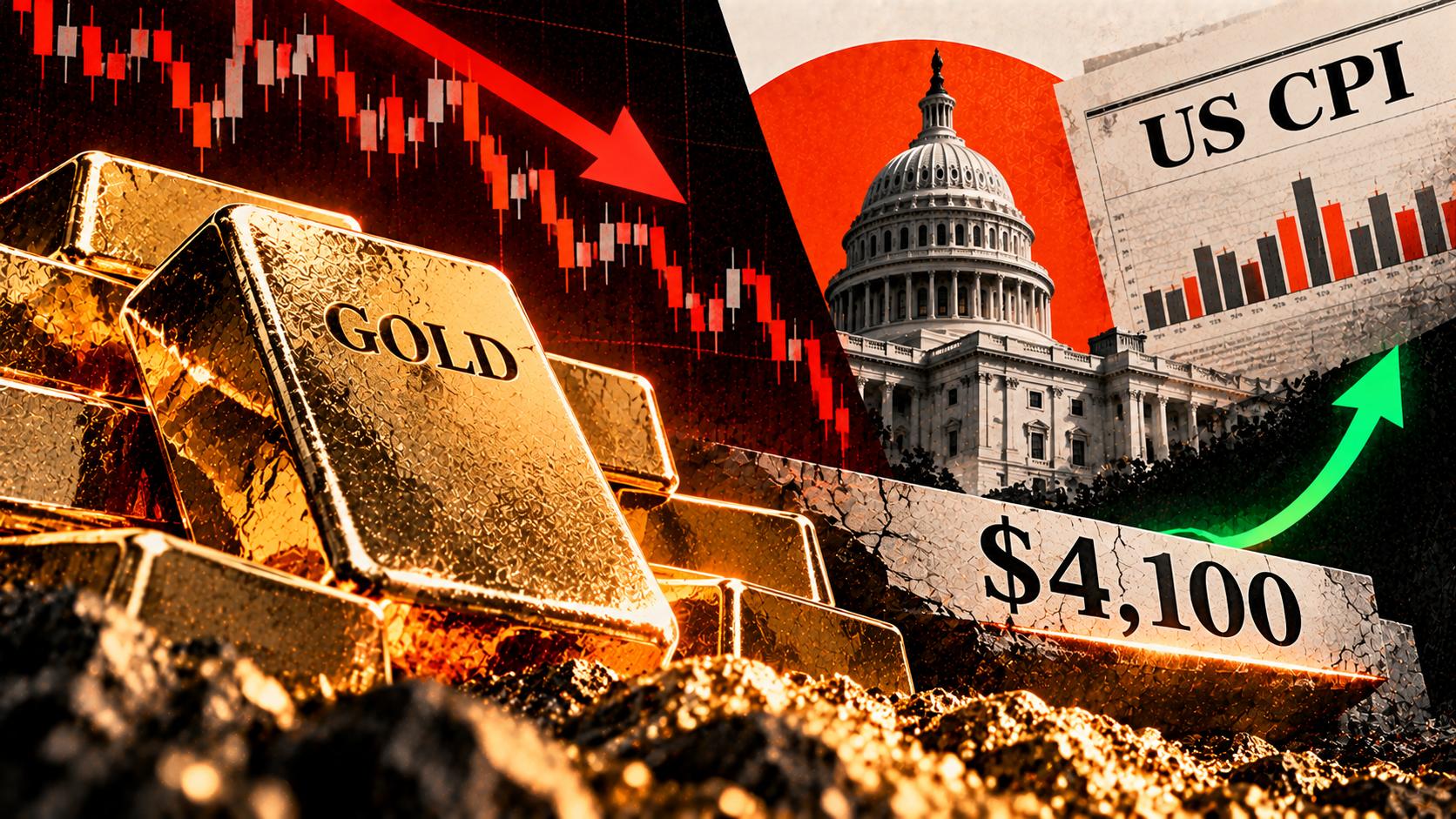
Everyone's dumping Gold after hot US inflation. Here's why $4,100 could be a floor, not a cliff
Gold (XAU/USD) is recovering from a sharp sell-off triggered by hotter-than-expected United States (US) inflation data released on Wednesday. The precious metal briefly plunged toward $4,073 as investors increased their bets on further Federal Reserve (Fed) interest rate hikes before recovering as US Treasury yields and the US Dollar (USD) reversed their initial gains.