Forget the cryptocurrency, the blockchain technology is the real opportunity
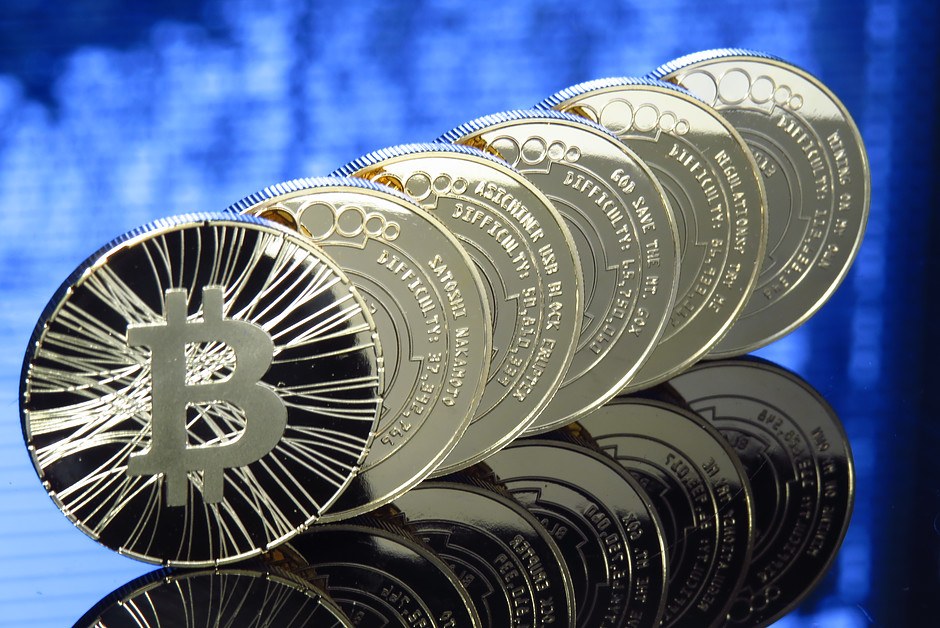

The crypto-euphoria outweighs all other financial topics nowadays. The most popular question people ask is what I think about the bitcoin and/or the ripple. The answer is, I have a lot of thoughts of course yet, the reality is that I do not know. What I know is, a cryptocurrency has been an extraordinary asset for small, medium and big speculators across the globe, whether they knew on what they were speculating on or not. None of these currencies have offered a fundamental basis for being considered as an investment vehicle of any sort. Even in a train crowded with Geneva’s fanciest bankers, the unanimity reigned: they would not recommend the product to their clients without having a complete understanding of what it was themselves.
In the absence of fundamentals, it is very difficult to spell out a price target, or a value for a cryptocurrency. Demand and supply patterns currently assess value to numerous cryptocurrencies in the market and it seems that the high level of speculation may have distorted the reality. The cryptocurrencies may or may not be exchanged at a realistic price.
However, the blockchain technology, which is the building block of the cryptocurrencies, has certainly a value. Investing in the blockchain technology could be an alternative for those seeking to jump on the crypto-train, yet not necessarily through the cryptocurrencies. The companies who detain the blockchain technology could be the rising stars in an increasingly digitalized economy. But in the meantime, the blockchain technology may not be suitable for generating value as a traditional currency.
The idea of a decentralized currency is of course very much exciting for many. What if individuals could simply choose not to use the currencies issued by the central banks? What if they could create their own cryptocurrencies and exchange them against goods and services? What if a cryptocurrency became worth tens of thousands of US dollars? This is exactly what is happening today. Yet how long could this monetary embranchment last?
As great as it sounds, the rise of a decentralized, non-government-backed cryptocurrency would mean that there could be side-pockets in the monetary scheme, besides the core banking system, that could generate liquidity in the market. If the money creation remains marginal, the government has no reason to intervene. However, when the cryptocurrency transaction volumes and their relative value rise, the sovereignty of central banks are threatened.
With the embranchment of the monetary system, the central banks would no longer be able to control the amount of liquidity in the system and act on it. As a result, the monetary policy would lose its efficiency. This would mean the end of the current system, in which central banks issue cash, fix the interest rates, regulate the economy through alternative monetary measures and aim to reach ideal inflation and employment levels. If central banks are taken away their exclusivity of money creation, the actual system would no longer exist.
It is not surprising that China is actively chasing individuals and companies implied in the crypto-world. In China, an individual can withdraw only a limited amount of cash from a foreign card per day. This is because the government has a strict control over the liquidity in the economy. Although China has been the first to react and to ban the activities surrounding the cryptocurrencies, it may not be an isolated case in the future. It all depends on how important the size of the crypto-market becomes.
The bottom line is that the cryptocurrencies are interesting speculating instruments for a large pallet of players. But these instruments need to offer more stability in order to be considered as an investment. For now, there are many unanswered questions about these new instruments. The idea of cryptocurrencies is certainly very inspiring. Thanks to the bitcoin, millions have come to embrace a new technology. The crypto-experience proved that the world is ready for a crypto-revolution. It is however impossible to tell if the cryptocurrencies could survive under their actual form, but if anything, the blockchain is perhaps where the futurist investors would like to be.
Author
Ipek Ozkardeskaya
Swissquote Bank Ltd
Ipek Ozkardeskaya began her financial career in 2010 in the structured products desk of the Swiss Banque Cantonale Vaudoise. She worked in HSBC Private Bank in Geneva in relation to high and ultra-high-net-worth clients.

















