Federal Reserve rate cuts provide a strong tailwind for stocks
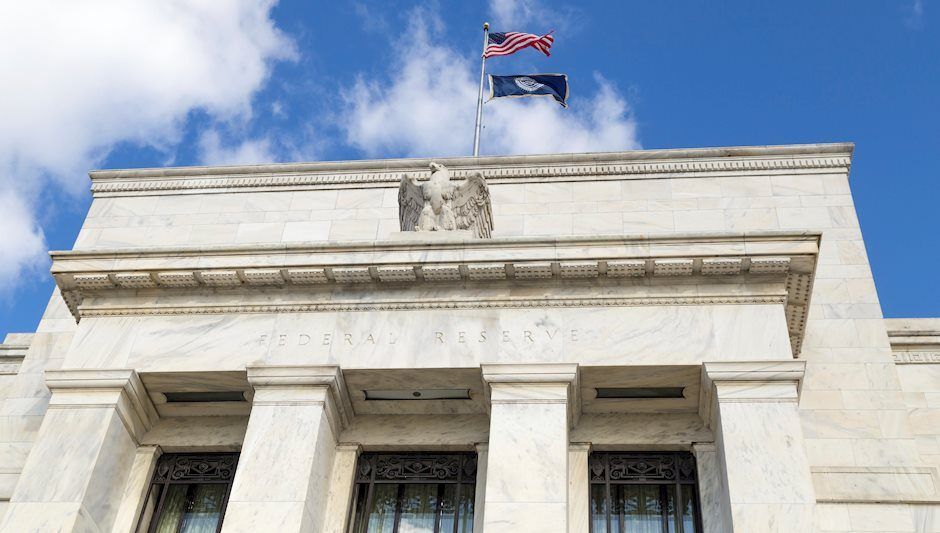

US stocks surged on Wednesday, with two major indexes hitting fresh records as Wall Street navigated a mix of key narratives. Traders are weighing the potential breakup of Google, analyzing the latest Federal Reserve minutes, and gearing up for the crucial consumer inflation report as earnings season looms. The Fed minutes underscored the central bank's commitment to preemptively cut rates, signalling that inflation is now under control, with the genie firmly back in the bottle. This points to a likely steady cadence of 25-basis-point cuts unless a major data surprise shakes things up—much like last week’s blowout jobs report, which not only erased any lingering chance of a 50-basis-point cut but also swung the odds to a 25% chance of no cuts, a big shift from 0% just a week ago.
The Fed's easing mantra is a clear green light for traders to buy. As long as the data stays in that sweet spot—not too hot or cold—the market has a powerful tailwind at its back. This is fueling stability and lifting stocks to fresh highs. The Fed's dovish stance drives this record-breaking momentum, keeping the bulls firmly in charge and helping propel the market into uncharted territory.
Stocks have been spinning like a top all week as investors grapple with the true state of the economy. The Fed’s jumbo 50-basis-point rate cut initially raised alarms—prompting the question, "What does the Fed know that we don’t?" But after that blowout jobs report, the narrative flipped. Now, investors have thrown a new play into the mix: a possible "no landing" scenario, where the economy keeps expanding without hitting turbulence, and inflation risks quietly creep back into the picture.
It’s a delicate balancing act. The data is scattered, as is typical at crucial turning points in monetary policy. Employment and inflation signals are mixed, making it tricky to gauge the future. However, revisions in the data will likely reveal an untold story—despite the noise from the usual Fed critics, the central bank seems to have things dialled in, which is a good thing for markets.
The Fed is also grappling with broader concerns like the economic hit from hurricane devastation and the looming question of what happens next between Israel and Iran. Meanwhile, Wall Street is hitting record highs thanks to rate-cut tailwinds, while China has given up half of its mega rally, jarred by the government's abrupt about-face on stimulus.
While the initial buzz around China's markets has fizzled out, the steep dip in Chinese equities could present a more tempting entry point for investors, banking on the hope that Beijing will eventually roll out a fiscal lifeline. The reasoning? It doesn’t make sense for policymakers to fire off back-to-back monetary and fiscal bazookas in such quick succession—they likely want to see how the recent rate cuts flow through the economy before deciding whether a $2 trillion or even $5 trillion stimulus package is necessary.
In some ways, investors might have jumped the gun, expecting immediate results before the effects of the rate cuts have had time to filter through. It could be a classic case of the market getting ahead of itself, eager for stimulus before the real economic impact unfolds.
For now, Wall Street is riding the rate-cut tailwind while China watches and waits.
Oil markets
In the oil market, geopolitical risks have eased slightly, with whispers of a potential ceasefire between Israel and Hezbollah in Lebanon. Meanwhile, doubts about China’s demand continue to weigh heavily, further dampening sentiment. Swelling U.S. inventories kept the intraday bulls in check. It’s a market on edge, waiting for the next shoe to drop to steer prices.
Author
Stephen Innes
SPI Asset Management
With more than 25 years of experience, Stephen has a deep-seated knowledge of G10 and Asian currency markets as well as precious metal and oil markets.