Fed to become more dovish in 2023
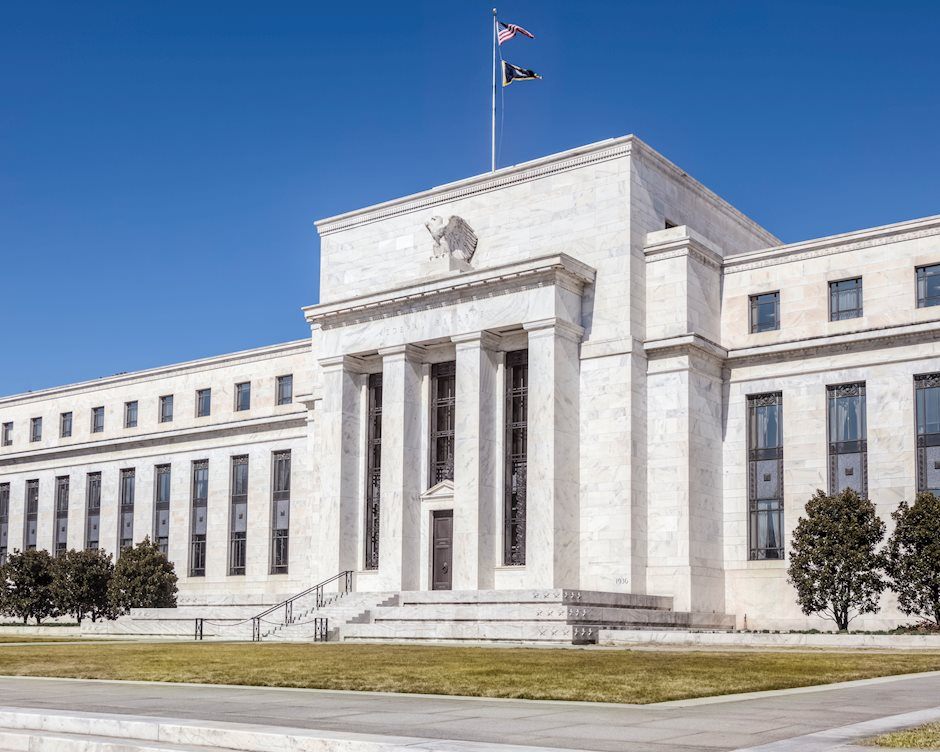

A new year, and a new set of rotating Fed board members come in. Giving the varying opinions of the different main and alternate members, this annual transition can change the FOMC's bias and outlook. This could be a factor in the trajectory of the markets, because:
-
There is extensive debate, still, on how high the Fed will go
-
Once there, there are widely differing opinions on whether the Fed will hold fast or "pivot"
-
Potential debate over whether the Fed will prioritize inflation or wages later in the year.
The other factor is that Powell has managed to maintain a particularly tight ship, even during the extraordinary measures taken to fight inflation over the last year. In fact, there have only been two dissenting votes out of all the meetings since the bottom of the pandemic. Even if more doves do get on the FOMC, it's also a question of whether they will end up actually voting for a more restrictive policy.
What's going on
The FOMC has officially 12 members, 8 of whom are permanent. Well, technically 7 are permanent, but the president of the Reserve Bank of New York "rotates" in place. Often there are less than 12, as vacancies at the Fed tend to take a long time to fill. This means the changes from the four rotating members can have a bigger impact.
The rotating members are the heads of the respective regional reserve banks. If the regional bank changes its president, and is rotated onto the board, then that will be a new member on the FOMC. That is the case this year with the arrival of the new president of the Chicago Fed, Austan Goolsbee, who's rumored to be dovish. However, it takes some time to assess the inclination of a board member's votes.
What does the rotation look like
The current holder of the Chicago chair is Evans, a noted hawk. But he will be stepping down early in the year. No hawks are slated to replace him, meaning that there will only be three board members inclined towards hawkishness next year.
Centrists Collins and George will rotate out. But also no centrists are expected to rotate in. Instead Logan will rotate in, and he's generally considered a moderate dove. He will likely be joined by Goolsbee in this camp.
Two doves will rotate out and be replaced by two other doves. That is, Kaskari and Harker will replace Mester and Bullard.
In summary, one less hawk, one less centrist; replaced by two moderate doves. The dovish end of the board remains unchanged. It's not a big shift, but it does incline the bias a little.
The immediate impact of the shift might not be noticeable, as there seems to be pretty broad agreement among members on the near-term policy. The dot-plot shows unanimity in projections in the short term. But getting towards the end of next year shows a widening split. And now there could be two more votes added to the bottom half of the average, implying a softer rate path after summer.
Author
Jing Ren
Orbex
Jing-Ren has extensive experience in currency and commodities trading. He began his career in metal sales and trading at Societe Generale in London.