Fed React: September taper as progress made, infrastructure momentum, China steps in, oil rises
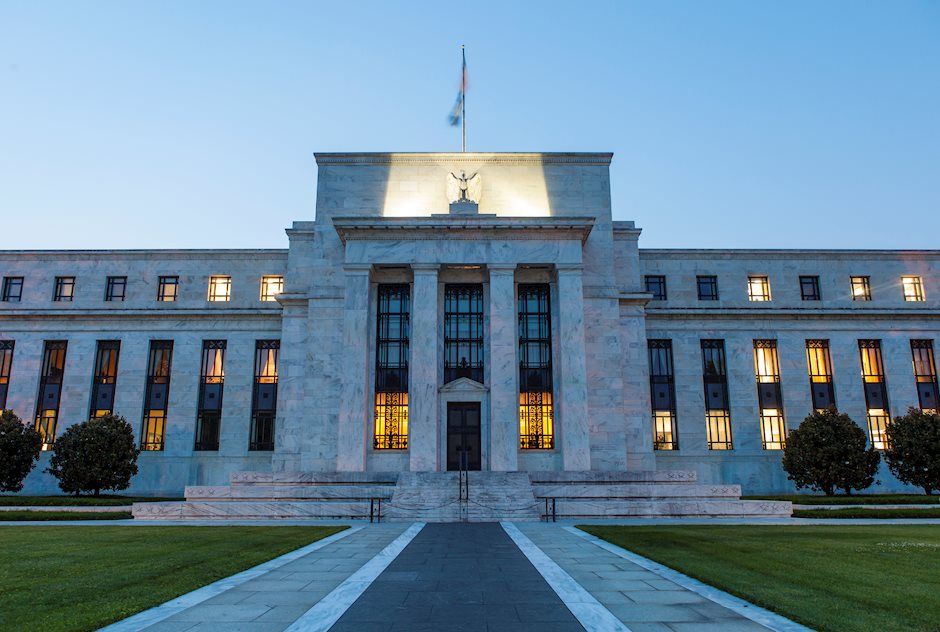

The Fed policy statement was somewhat hawkish now that the economy has made progress towards the Fed’s goals and as policymakers seem somewhat unfazed by delta variant risks. As expected, the Fed made no changes with interest rates or rate guidance. The statement did not bring up any delta variant concerns, instead focusing on improving economic activity and employment due to progress with vaccinations and strong policy support. It wasn’t all hawkish as inflation is still transitory for them. Before substantial progress is reached, Fed watchers need to hear the Fed say progress has been made.
Despite making progress towards tapering, the Fed has a couple of months of inflation and labor data to decide if they can start removing support. Given the chorus of pricing pressures announced this earnings season and as employers continue to struggle in finding talent, mission accomplished still seems to be in the distant future. Uncertainty for the Fed’s baseline to the outlook should solidify a dovish stance that could make the earliest for a taper announcement to be in September.
Press Conf
A hawkish statement was followed by a mixed press conference. The Fed confirmed that their accommodative stance will remain until they reach their goals. Bottlenecks and hiring difficulties are raising the possibility that inflation could be more persistent than they expected. The Fed reviewed considerations on how to adjust their bond buying program.
Stocks
US stocks rose after Fed Chair Powell signaled the tapering of asset purchases won’t happen until we see substantially impressive nonfarm payroll reports and as the Senate appears to have the votes to move forward on the bipartisan infrastructure plan. For a September taper, financial markets might need to see over 2-million jobs created over the next couple of months. Interest rate hikes won’t happen until the economy recovers 7-8 million jobs and if inflation becomes persistent.
Q/A
Powell would not give a range for defining what is maximum employment, but he did note that the economy is still some ways from substantial progress on jobs. The longer the press conference went the more dovish Powell sounded. Powell noted that the Delta variant economic impact is still hard to gauge. He added that the Fed sees fewer economic implications from each virus wave. Powell reiterated that they are still a ways from considering rate hikes.
Infrastructure
The Russell 2000 index extended gains after the reports that the bipartisan group reached an agreement over major issues on infrastructure spending. Republican Senator Portman is optimistic the infrastructure bill is more than paid for. If the procedural vote goes well, then the final debate begins. This is crunch time to get this bill done otherwise the democrats will have to do it all by themselves.
Wall Street wants to see a bipartisan infrastructure deal as that will likely come with a limit on tax increases. The overall market did not react too much to the news as infrastructure spending is widely expected to happen.
China
China threw the stock market a bone after authorities met with investment banks in an effort to calm jitters over an overreaching regulatory crackdown. China is reassuring foreign investors that widespread crackdowns should not be expected. Fear was growing that if this selloff didn’t end soon, Chinese stocks would remain stuck in bear market territory.
Oil
Crude prices held onto gains after the EIA crude oil inventory report showed the oil market will stay tight as production appears capped and demand remains strong. US stockpiles had a bigger-than-expected decline of 4.09 million barrels from the previous week, the consensus estimate was for a 2.4 million decrease. Despite all the Delta variant concerns, it seems that the hit to crude demand is minimal thus far.
Oil prices seem like they still have a one-way ticket higher, needing to wait out the current delta variant jitters for another couple weeks.
WTI crude held onto its gains as the dollar declined after the Fed signaled tapering will not happen until substantial job creation happens.
Gold
Gold prices held onto the $1800 level even after the Fed signaled the economy has made progress toward their goal. Financial markets are starting to focus on a September taper, but if the labor market does not deliver blockbuster employment reports that could get pushed towards the end of the year.
The good news for gold is that Treasury yields did not rally and that should solidify the stringent conditions required for both tapering and eventually raising interest rates.
Bitcoin
It doesn’t matter if Amazon will accept Bitcoin this year or further down the road, what matters is that the institutional world believes the rest of Corporate America is getting closer to welcoming cryptos. The Bitcoin boom has slowly returned as Congress appears divided on how to form a regulatory regime.
Ethereum is slowly winning over the institutional trader as their blockchain continues to dominate the smart contract space. Ethereum is winning the blockchain wars and its outperformance over Bitcoin may accelerate going forward.
Risk appetite remained after the Fed and that helped Bitcoin hold onto the $40,000 level.
Author
Ed Moya
MarketPulse
With more than 20 years’ trading experience, Ed Moya is a market analyst with OANDA, producing up-to-the-minute fundamental analysis of geo-political events and monetary policies in the US, Europe, the Middle East and North Africa.