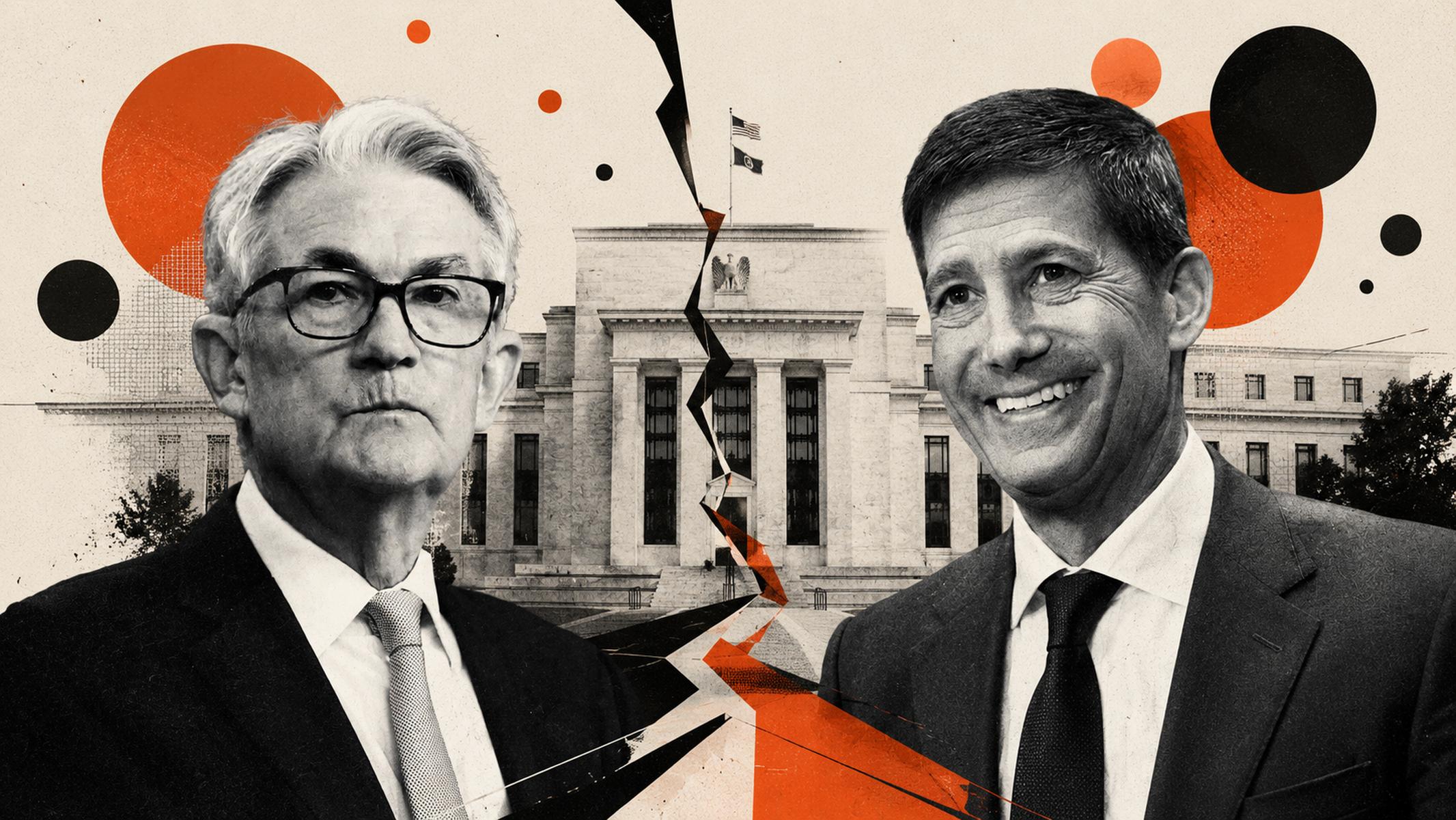
Fed liftoff begins tomorrow: How to trade it?

Buckle up – the next 24 hours will be a busy one for investors! U.S. retail sales, Canadian inflation, Australian jobs and New Zealand GDP numbers are scheduled for release but the main event will be the Federal Reserve’s monetary policy announcement. Liftoff is coming with the Fed expected to raise interest rates for the first time since 2018. Their plan to tighten monetary policy is widely anticipated – in fact in early February, the consensus was for 50bp hike. That was before Russia’s invasion of Ukraine and while inflationary pressures have intensified since then, the uncertainty is just too great for the Fed to raise interest rates that aggressively. Still, tomorrow’s hike will be the first of a series of interest rate adjustments as the market is pricing in more than 150bp of tightening this year. U.S. assets from the dollar to stocks and bond yields are rising across the board ahead of FOMC which tells us that investors expect gradual tightening from the central bank.
If you are interested in trading tomorrow, there are 3 tradable events. The first is retail sales which will help to set the stage for FOMC. Job growth has been very strong but economists are looking for consumer spending to slow after rising strongly at the start of the year. If retail sales rises more than expected and we think it should given higher food and energy costs and strong job growth, the U.S. dollar should extend its gains with USD/JPY headed towards 119. If retail sales miss expectations, rising less than 0.4% in February, the dollar should fall on profit taking as investors worry about demand dampening further in March as prices increase.
At 2pm NY time, the Federal Reserve delivers it monetary policy announcement – at that time we’ll learn how much interest rates are increased and how the Fed sees inflation and growth in quarters ahead. Four times a year, the central bank releases its economic projections and dot plot. In March we are looking for CPI forecasts to be revised upwards, growth forecast to be revised downwards and the unemployment rate projection to remain unchanged. The Fed Funds rate forecast should increase significantly with Federal Reserve Presidents favoring faster tightening. All of this SHOULD be positive for the greenback as it signals an ongoing desire to tighten and a willingness to do so aggressively once Russian-Ukraine tensions ease.
The dollar’s initial knee jerk move may not have much legs before Fed Chairman Powell’s press conference at 2:30pm NY time. Investors will be laser focused on his guidance and how much clarity he gives on the central bank’s policy direction. The main question is how concerned he is about the recent increase in price pressures and the need to plow forward with tightening despite the uncertainty in growth. If Powell remains steadfastly hawkish, U.S. yields will extend their gains, creating more demand for U.S. dollars. However if there is any reluctance in his words, the dollar could sink quickly and aggressively.
Weaker than expected German investor confidence did not stop investors from buying the oversold euro. The drop in oil prices and rise in stocks helped to encourage euro short covering. Sterling also rallied as the unemployment rate dropped to 3.9% from 4.1%. The New Zealand dollar ticked up on stronger service sector PMI. The Australian dollar lagged behind as lockdowns in Australia raise concerns about the impact on Australian growth. Canadian dollar traders looked ahead to CPI, shrugging off the decline in oil. Inflationary pressures are rising across the globe and according to the IVEY PMI report, prices ticked up in February.
Author

Kathy Lien
BKTraders and Prop Traders Edge
Having graduated New York University’s Stern School of Business at the age of 18, Ms. Kathy Lien has more than 13 years of experience in the financial markets with a specific focus on currencies.