Fed cuts, trade tensions and slipping oil

The FTSE followed global bourses lower on Wednesday as concerns over the US – Sino trade dispute returned to rock the markets. Weak US inflation figures boosted Fed rate cut expectations later in the session pulling Wall Street and European bourses off their session lows.
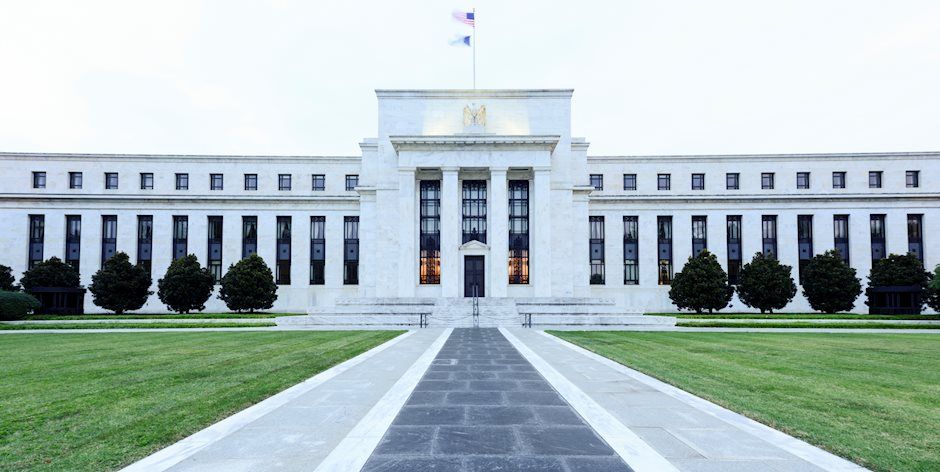
US inflation increased at a slower pace than expected in the latest round of evidence that the Federal Reserve will cut interest rates sooner rather than later. The weak inflation figures come after a weak jobs report with just 75,000 jobs created in May. The dollar fell from session highs post CPI data whilst gold rebounded.
Sterling higher as Boris tones down no deal rhetoric
The pound was capitalising on the weaker dollar trading higher on the day. The pound had moved northwards early in the session as Boris Johnson laid out his Tory leadership bid. With the polls indicating that Boris Johnson will win, pound traders were pleased to hear the ex-foreign minister play down his support for a no deal Brexit. This is the first time that Boris Johnson has watered down his Brexit rhetoric and pound traders liked what they were hearing. Not enough to push the pound into the high $1.27’s but enough to give it a small boost. Parliament debating the possibility of a cross party motion to prevent a no deal Brexit was also offering support to the pound.
Oil tanks on gloomy demand outlook
Oil was a noticeable decliner dropping over 2% as demand concerns take a front seat. Earlier in the year OPEC cuts and sanctions on Venezuela and Iran kept oil prices elevated. However, the stream of weaker data amid expectations of a global downturn is really starting to impact on the demand outlook. The EIA lowering the 2019 demand outlook, combined with rising stockpiles and on-going trade tensions between the world’s two biggest oil consumer has put the oil bears firmly in control. The only saving grace could be OPEC extending oil production cuts when they meet at the end of June. The expectation is that they will roll over the output cuts so a good deal of that news will have already been baked into the price. At best we could expect a slight uptick in the third quarter.
Author
Fiona Cincotta
CityIndex