|

A new Black Monday?

AUDUSD
AUDUSD

The Dollar, Yen and Swiss franc have outperformed amid a backdrop of tumbling stock markets in Asia and Europe, with risk aversion picking up on news of a continued rise in coronavirus infections outside China, particularly in South Korea, the Mideast and in Italy. Many countries in the Mideast have imposed travel restrictions, while the rise in infections in Italy raised the spectre of the virus gaining a foothold in Europe. Italy now has the second highest confirmed cases of COVID-19 infections outside China, second to South Korea and overtaking Hong Kong and Singapore. For those looking at the bigger picture, and cause of optimism, there remains scientific conjecture that the virus will naturally weaken a it spreads (a lowering in the “zoonotic force of inflection” or weakening in the rate of transmissibility, as is typical in virus outbreaks), as highlighted by a report in the Lancet Journal, with April seen as likely to mark the point of peak contagion. Also, the data shows that the death rate remains at about 2%, similar to flu and cold viruses, with most infected people making a full recovery.
fxsoriginal

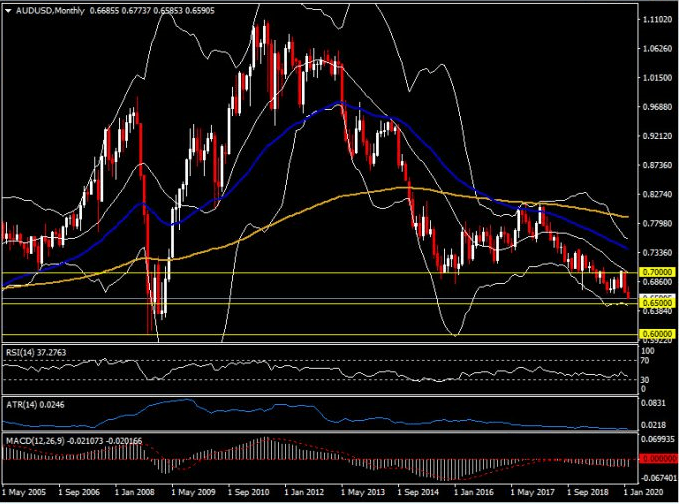
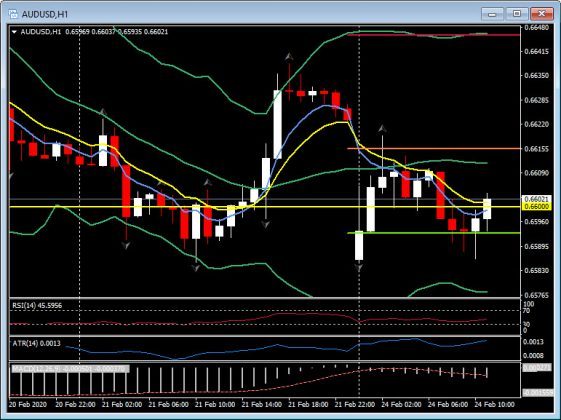
However, there is, rightly or wrongly, an air of panic, and the economic impact of measures being taken are starting to show in data. The narrow trade-weighted USD index recouped about half of Friday’s losses in rising to 99.63. The Dollar remains the strongest currency on the year-to-date, relative to the other main currencies, showing net gains over over 6% against the weakest, the Australian and New Zealand dollars. The relative robustness of the US economy, coupled with the safe haven appeal of US Treasuries, have been underpinning the Greenback. AUDUSD printed a fresh 11-year low at 0.6585. USDJPY ebbed back to levels around 111.50, down from the 10-month high seen last week at 112.22.

Author

Stuart Cowell

With over 25 years experience working for a host of globally recognized organisations in the City of London, Stuart Cowell is a passionate advocate of keeping things simple, doing what is probable and understanding how the news, c


More from Stuart Cowell
Share:

Editor's Picks

AUD/USD stays defensive below 0.7150 after Chinese data

AUD/USD remains on the back foot below 0.7150 in the Asian session on Tuesday, close to an over three-week low touched the previous day. US bond yields hold near multi-year highs ahead of the FOMC meeting and oil-driven inflation risks, supporting the US Dollar and weighing on the currency pair. Mixed Chinese activity data for August also fail to inspire the Aussie.

USD/JPY extends gains toward 155.00 amid USD resurgence

USD/JPY keeps pushing higher toward 155.00 early Tuesday, looking for more upside, as traders await the FOMC and BoJ meetings this week. Meanwhile, Fed rate-hike bets and oil-driven inflation risks keep US bond yields near multi-year highs, supporting the US Dollar and the pair. That said, a more hawkish repricing of the BoJ normalization path might continue to underpin the Japanese Yen and could limit USD/JPY's upside. .

$4,275: Gold skating on thin ice as eyes remain on Mideast conflict, Fed

Gold is briefly regaining $4,300 early Tuesday, looking to build on a tepid recovery from six-week troughs near $4,250. Traders are monitoring the widening conflict in the Middle East ahead of the two-day US Federal Reserve monetary policy meeting later in the day.

Bitcoin remains volatile amid CLARITY Act vote – Zcash, Stellar rally

Bitcoin holds steady around $78,000 on Tuesday, sustaining its roughly 2% recovery from the previous day. Broader cryptocurrency market volatility remains elevated ahead of the scheduled CLARITY Act cloture vote on Tuesday. Zcash and Stellar retain bullish momentum, emerging as the top performers over the last 24 hours.

Hard assets are entering their next explosive phase – Are you positioned?
It’s official: Commodities and Hard Assets have become the best-performing asset class of 2026. In a year defined by persistent inflation, geopolitical conflict, rising sovereign debt and intensifying supply disruption, capital is rotating aggressively into the one area governments cannot print and central banks cannot manufacture: scarce physical assets.
Venezuela’s 65-billion-barrel Oil deal could reshape America’s inflation fight
The United States (US) has secured unprecedented access to part of Venezuela’s vast Oil reserves. The timing is particularly significant as the war with Iran is disrupting Middle Eastern supplies, keeping energy prices elevated and reviving concerns about inflation.















