Europe in the face of a nightmare
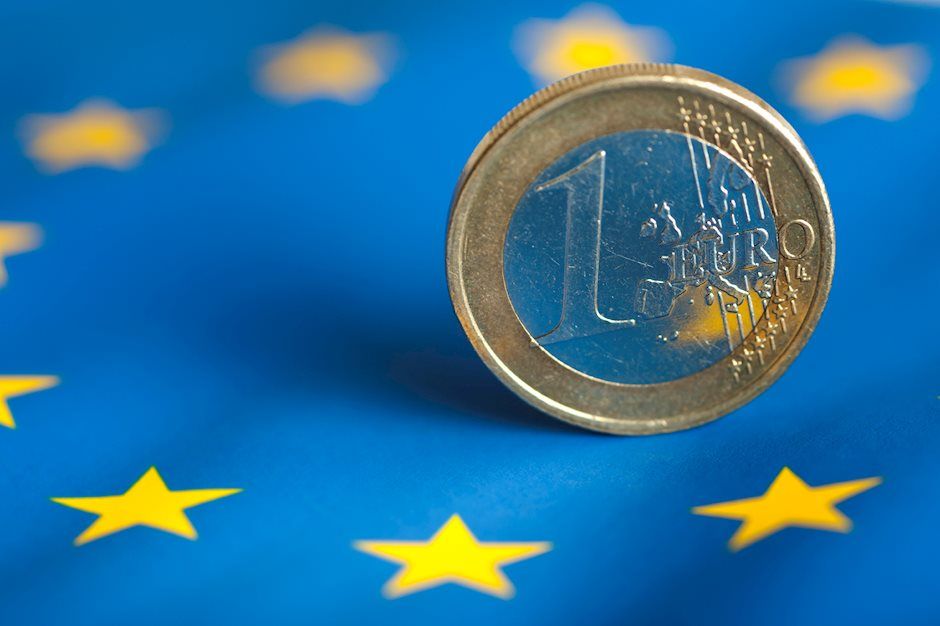

The eurozone is likely to face one of the most nightmarish scenarios an economy can experience, that of low growth and high inflation. The cause of this impending situation lies in the new reality created by the war in Ukraine, with conditions in the Eurozone and in Europe as a whole being unprecedented.
In fact, consumer prices after the pandemic have risen sharply and are now expected to remain high for a long time. The reason is that the eurozone's dependence on Russian energy, cereals and other commodities will keep inflation high while pushing down growth in the eurozone.
It is now becoming increasingly certain that the war in Ukraine is creating conditions of uncertainty as high as ever in the history of the eurozone, while the blow that Europe is receiving both socially and economically is and will be much greater than in other parts of the world.
Under these circumstances, the European Central Bank will have to maintain maximum flexibility, as it will have to assess and balance the effects of the war on a European state for the 19 different countries that share the common European currency.
In this context, it is likely to maintain a high level of monetary support for a longer period of time. It is likely to introduce new monetary policy instruments, however uncertainty will continue to be high as Russia supplies about 40% of the EU's gas, with the big risk that Russia could cut off supplies to Europe. Although the possibility of a supply cut from Russia is relatively low, it is still able to maintain uncertainty, which in turn will increase both gas and oil prices, at which point they are expected to move further upwards. Crude oil could rise by up to 50% by the end of the year and the EU is likely to impose painful energy cuts, raising the prospect of another recession in the last two years.
Under these circumstances, Europe will need to act immediately and proactively, without waiting to see how things turn out. Thus, the EU is expected to reduce Russian gas imports by 2/3 within a year, increasing supplies from other producers and boosting energy efficiency.
Yet, it is clear that inflation and declining growth due to high energy prices and rising commodity prices as create stagflation will perpetuate the uncertainty that will remain for a long time, creating turmoil and a negative trend in the European economy and the activity of international markets.
Author
Nikolaos Akkizidis
LegacyFX
Mr Nikolaos Akkizidis is an economist, with 20+ years of experience in multiple roles in the financial sector.

















