Euro Hits 4 Month Lows, Six Straight Days of Losses
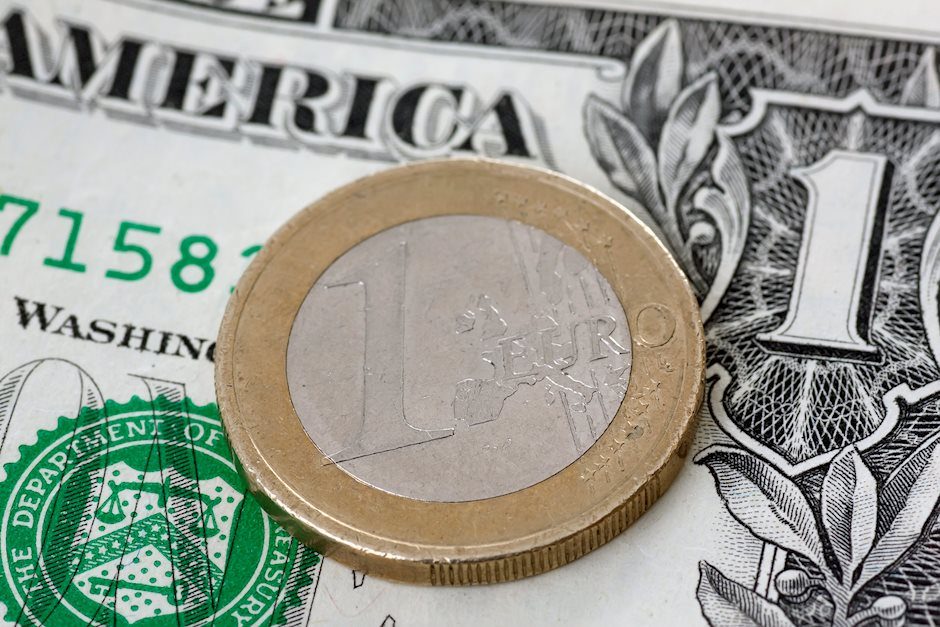

Investors have been selling euros since the beginning of the month. Granted there's been only six days of trading, the consistency is worrying. The sell-off in EUR/USD took the pair to its weakest level in 4 months but in reality the September low is also a 2.5 year low. The problem for the euro is that the outlook is beginning to worsen. Last week's German industrial production and retail sales numbers were ugly and those numbers don't even include the impact of coronavirus. This week, we'll get the Eurozone data along with German and EZ fourth quarter GDP. None of these numbers are expected to be good and if that proves to be the case, EUR/USD could easily slip below the September low of 1.0879. Earlier this month, ECB President Lagarde expressed concerns about low inflation. Today, ECB member and Italy's central bank governor Visco warned of significant risks to the country's fragile economy this year. Investors are worried that Europe will be hit hard by weaker Chinese growth and broken ties with the UK in 2020. Recession is not on the table (yet) but Germany's biggest industrial slump in decades revives concern that central bank will need to step it up or convince individual governments to provide fiscal stimulus.
The burning question on everyone's minds is how much further can the euro fall. Worry and fear can be a powerful driver of currency flows. The US economy is less vulnerable to coronavirus than Europe and if It were to weaken, it would be from a higher base. Fed Chairman Powell testifies to Congress later this week. If he maintains a positive outlook and downplays the virus impact, the US dollar should extend its gains, driving EUR/USD towards 1.08. This assumes that EZ GDP numbers are subdued. However if Powell also feels that significant risks lie ahead and raises the possibility of fresh easing, EUR/USD will soar in spite of the region's dismal outlook. Based upon recent comments from Federal Reserve Presidents, US policymakers don't want to be too quick to judge the virus' impact.
For the greenback, investors should be watching Powell's comments, inflation and retail sales numbers. The dollar has been very strong, rising against all of the major currencies thanks in part to the renewed gains in US equities. On Friday, the sell-off raised concerns about a peak in stocks but today investors are thinking about new highs again. While tech giant Amazon is up nicely, reports that only 10% of Foxconn, one of Apple's largest suppliers returned to work is a problem for other big names. As our colleague Boris Schlossberg noted, "Even if the global infection rate remains low, the damage to China has been immense with global supply chains deeply disrupted, yet here too investors are taking a Panglossian view that Chinese authorities will be able to contain the virus and send half the countries population that is now under quarantine back to work by the start of March. If that's the case the bullish case may win out as markets will assume that CCP authorities will flood the market with a massive stimulus to restart the economy and make up for lost production." - We'll see how long that lasts.
Sterling is in focus tomorrow with fourth quarter GDP scheduled alongside trade and industrial production numbers. Like euro, GBP has been trending lower this month but it found support at the 100-day SMA on Monday. Q4 GDP numbers are expected to be softer but economists are looking for industrial production to recover in December. Given how weak consumer spending was towards the end of the year, the risk is to the downside for tomorrow's report.
Meanwhile the Australian dollar rebounded while the Canadian and New Zealand dollars edged slightly lower. Australia and New Zealand are the most vulnerable to a slowdown in China and tonight's NAB business confidence could give us a glimpse of local concerns. The Reserve Bank of New Zealand is meeting later this week and despite better data towards the end of last year, cautiousness is expected from the central bank. USD/CAD hit a 4 month high intraday as crude prices close below $50 a barrel for the first time in more than a year.
Author
Kathy Lien
BKTraders and Prop Traders Edge