Equities on the high wire: Bulls, bears, and the October trapdoor


Equities feel like they’re standing on a high wire at the circus—spotlights on, the crowd hushed, and every trader in the arena holding their breath—one slip, one gust of wind from inflation or earnings, and the act tumbles. Yet, if balance is maintained, if the line holds steady, the reward is applause, momentum, and a roaring finale into the year-end.
The macro hinge remains the same: inflation versus Fed easing. If inflation continues to cool, the Fed can afford to cut rates, laying a safety net under risk assets. But if stickiness creeps back—say through tariffs or supply frictions—the Fed is forced to pull that net away, leaving investors dangling over thin air. October 15’s CPI print could be the gust that decides whether the wire sways or steadies.
Earnings season is the other tightrope pole. Mega-cap tech must deliver more than strong numbers—they must deliver spectacle. Expectations are so high that simply meeting the consensus won’t cut it; they need to outperform with showmanship to justify stretched multiples. In a market where $0.35 of every SPY dollar finds its way into the Magnificent 7, fragility is as concentrated as ever. If one stumbles, the whole formation risks collapse.
Yet the bull case still has its fire. The AI productivity story isn’t just hype—it’s a structural gear shift that could drive margins and fuel fresh multiples. Consumers, despite the noise, are carrying healthy balance sheets, with household equity exposure having ballooned since 2020. The bottom half of households now hold equities at levels once unimaginable, meaning dips are more likely to find incremental buyers than in cycles past. Add in global growth forecasts nudging higher and Fed cuts waiting in the wings, and the scaffolding for a Q4 rally looks firm.
In retail, flows are proving relentless. Twenty-one of the last 24 weeks have seen net retail equity buying, alongside one of the longest retail options call-buying streaks in memory( according to PB data). It’s not just nibbling—they’ve been outright bullish, buying micro “storybook” names while institutions hedge at the macro level. That split—retail chasing upside, institutions quietly buying insurance—tells you all you need to know about positioning psychology.
Seasonality adds another layer to the stage. October has always been the trickster month—wild swings, chop, false breaks. However, history shows that the late-October dip often morphs into the Q4 launchpad, with October 26-27 marking the seasonal inflection point for both the S&P 500 and the Nasdaq 100. What appears to be fear now can set up FOMO later, as traders rush back in before December’s buyback machine restarts and passive flows hit at full force.
But don’t mistake this for a one-way ticket. Systematic positioning is heavy and fragile, CTAs already near max exposure, vol-control strategies fully loaded. The crowding in short-vol trades has left volatility one shock away from exploding. With retail calls stacked sky-high, institutions hedging under the surface, and corporates locked in blackout windows, the market is skating on thin liquidity ice until earnings roll through. A shallow pullback could snowball into something larger if systematic selling is triggered.
Corporate buybacks, however, will return like cavalry in November and December, with $1.3 trillion of authorizations ready to be unleashed onto the tape. That wall of corporate demand can provide a backstop into year-end, but until the blackout lifts, markets must dance without their biggest sponsor.
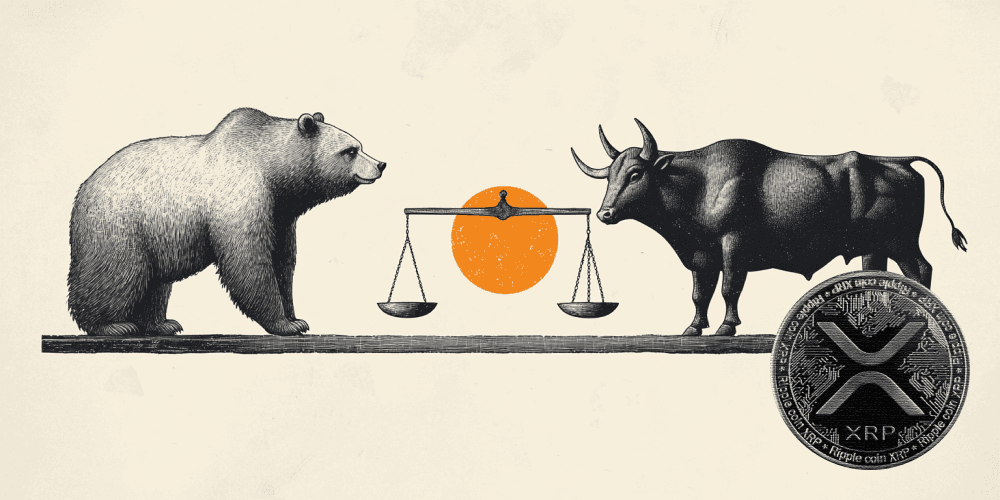
So where does that leave us? The bull narrative is structural: retail demand is accelerating, buybacks will resume, passive flows remain relentless, and AI keeps rewriting the earnings playbook. The bear narrative is tactical: October fragility, high expectations, crowded trades, and the ever-present risk of a volatility snapback.
The way to think about it is simple: October is the trapdoor month. If you can hold your nerve through the wobble, the seasonal stage is set for one last chase higher into December. But every act at the circus comes with risk—sometimes the tightrope walker makes it to the other side, and sometimes the crowd gasps as the rope quivers. Traders don’t get to sit in the stands; we’re all on the wire together.
Author
Stephen Innes
SPI Asset Management
With more than 25 years of experience, Stephen has a deep-seated knowledge of G10 and Asian currency markets as well as precious metal and oil markets.