Energy shock deepens as markets brace for a more hawkish ECB

Markets
Brent crude tested the $102/b July top which matches the highest level since end May. European gas prices pierced €80/MWh for the first time since Jan 2nd 2023. UK and European yield curves extended their recent bear flattening moves. UK Gilts underperformed, having most room for hawkish repositioning especially after BoE Bailey’s acknowledgement of rising upside inflation risks earlier this week. The UK 2-yr yield added 10 bps and tested the 2024 & 2026 top at 4.71%. EUR swap rates increased by 7-9 bps in the 2-10-yr sector with the very long end rising by 4 bps. In the US, the belly of the curve underperformed the wings but both the 2-yr and 10-yr broke through technical resistance at respectively 4.4% and 4.8%. At the 10-yr it occurred after US Treasury Secretary “I am the House” Bessent’s $6bn buyback statement (triple the old cap and vs “at least $4bn guidance”) received an underwhelming response. At least it helped digest the Treasury’s 10-yr Note auction later on the day. Yesterday’s bond sell-off spilled to stock market with key European indices losing 1.5% and US benchmarks ending 0.5% to 0.75% lower. EUR/USD is stuck between 1.16 and 1.1650.
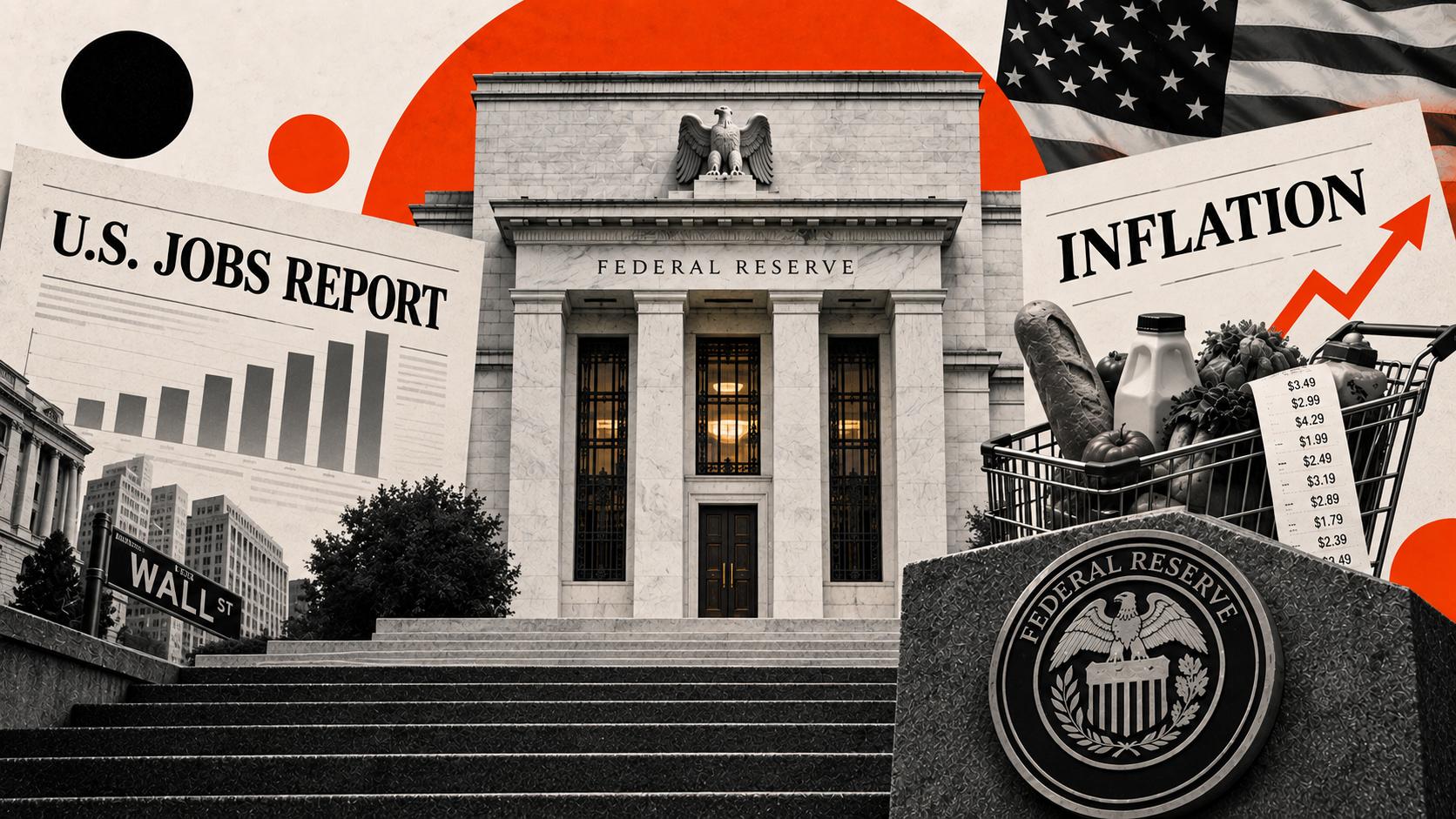
The ECB will today deliver a second 25 bps rate hike (2.25% to 2.50%) to try to contain upside inflation pressure/risks coming from the lasting energy supply shock. We expect the central bank to stick with a hawkish short-term message, aligning with the currently discounted third rate hike come December. From a market point of view, the key question is whether hawkish expectations for 2027 will be confirmed as well. The recent bear flattening, pushing short-term yields (eg 2y swap rate) well beyond 3%, is a clear market signal that the persistence of the energy supply shock moved us from the ECB’s “adverse” scenario to the “severe” one. The difference in monetary policy response between the two is “gradual” instead of “profound” tightening. We don’t expect ECB President Lagarde to rubber-stamp this market view. In this respect, it will be interesting to see whether she repeats/avoids/contradicts references made in June and July about markets very well understanding the ECB’s reaction function. Updated staff forecasts will offer a clue on ECB thinking as well. Markets will be especially attentive to the core CPI path. In June, the ECB plotted 2.5%-2.5%-2.2% for the 2026-2028 period assuming a 2.75% policy rate. New forecasts will now be conditional on a 3% or even 3.25% policy rate. Even an unchanged core CPI path would in this respect be an implicit acknowledgement that risks of second-round effects are spreading. As the ECB probably won’t (already) embrace current market thinking/pricing, yesterday’s sell-off at the front end of the EUR curve might have been a short-term exhaustion move. The euro can face a setback in case of loss of interest rate support in the above-mentioned scenario. The story is different at the long end of the curve, where higher inflation expectations might be the outcome of not embracing the inflation treat in the same way markets do.
News and views
The Polish central bank kept the policy rate unchanged at 3.75% yesterday. Polish GDP expanded at an accelerated clip in of 3.9% in Q2, up from 3.5% in Q1 amid investment growth picking up and compensating for a slowdown in consumption. Inflation meanwhile quickened to 3.4% in August from 3% in July, driven primarily by energy prices. The central bank noted, however, that core inflation (ex. food and energy) probably also increased last month. The NBP said future decisions will depend on incoming information, in particular the macroeconomic situation abroad which includes global commodity prices and the geopolitical context. The latter took a dramatic turn for the worse since the NBP’s previous meeting in July. Governor Glapinski back then struck a surprisingly dovish tone and said he’d file a motion for a 25 bps cut “after the summer break”. It triggered a break of EUR/PLN above 4.3. Glapinski’s comments proved premature and any potential monetary easing is all but off the table. Polish money markets pencil in a first hike around the turn of the year. The zloty yesterday barely budged. EUR/PLN closed at 4.31.
The UK’s Royal Institution of Chartered Surveyors said a slowdown in the country’s housing market appears to be levelling off. Key indicators have become progressively less negative over recent months, it concluded from its August survey, adding that any potential recovery remains fragile nonetheless. Its house price balance metric rose to a five-month high of -28, up from an upwardly revised -29 in July. The net balance for new buyer enquiries - a key measure for demand - rose to its highest since January (-19). RICS members expect property prices to fall further over the next three months but see them stable over a one-year horizon. They said the prospect of higher interest rates or heavier property taxation after the October annual budget could weigh on prices. Sales expectations rose to -3 from -13 in July.
Author

KBC Market Research Desk
KBC Bank
KBC's Market Research Desk publishes a number of short-term reports.